This eight-day journey began in Athens, where ancient politics, philosophy, and civic ideals became tangible—from the rational beauty of the Parthenon to Socrates’ commitment to law and principle. Walking through the Acropolis and surrounding ruins, history felt present rather than distant, shaping how the city is understood today.
The trip then moved to Santorini. Traveling in winter slowed the pace. With fewer crowds and changing weather, Oia and Fira felt less like postcards and more like lived places. The shifting light and quiet streets revealed a more intimate side of the island.
Back on the mainland, Delphi revealed ancient views of fate, while Mycenae carried the journey back to the Bronze Age. It ended in Nafplion, where seaside light and everyday moments offered a gentle close. The contrast between myth, history, and daily life gave the journey a layered sense of time.
A quieter journey, but a deeper one.
Day 1 · Athens
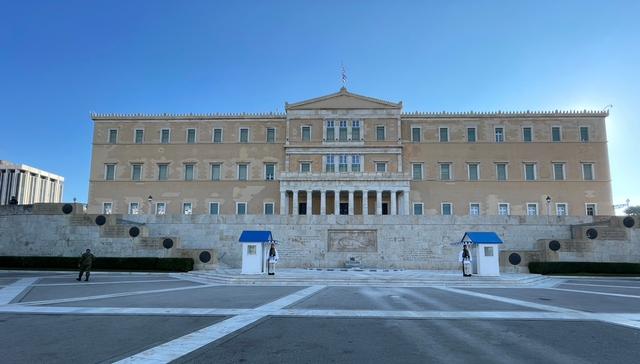
Before the trip, we did some reading on Greek history and philosophy, enriching the experience. We began in Athens at Syntagma Square, watching the changing of the guards before walking through nearby historic sites.
We continued through the National Garden to the Temple of Olympian Zeus and Hadrian’s Arch. In Plaka, cobblestone streets under winter sunlight offered a relaxed atmosphere before visiting the Roman Agora and Tower of the Winds.
In the afternoon, we explored the Ancient Agora and visited the Acropolis Museum for context. The day ended at the Prison of Socrates, followed by dinner overlooking the illuminated Acropolis at night.
Day 2 · Athens
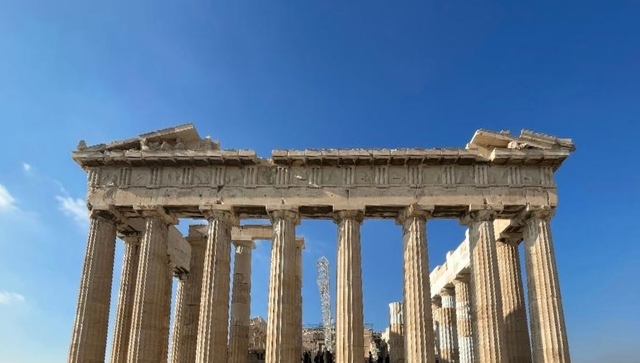
Day two centered on the Acropolis, the symbolic heart of Athens since the Bronze Age. Ascending the hill revealed a sequence of monuments, from ancient theaters to temples, culminating in the Parthenon.
Across from it stands the Erechtheion, known for its Caryatid porch, adding a sculptural contrast. Walking along the walls offered sweeping views of modern Athens, blending ancient landmarks with the city below.
In the afternoon, we visited the National Archaeological Museum, exploring artifacts across centuries. The day concluded at the Panathenaic Stadium, where the scale and history of ancient athletics brought a strong sense of continuity.
Day 3 · Santorini
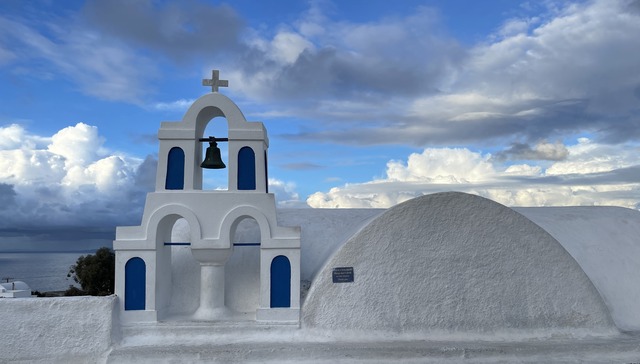
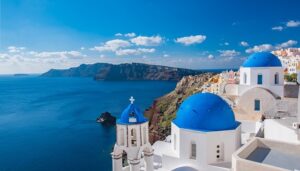
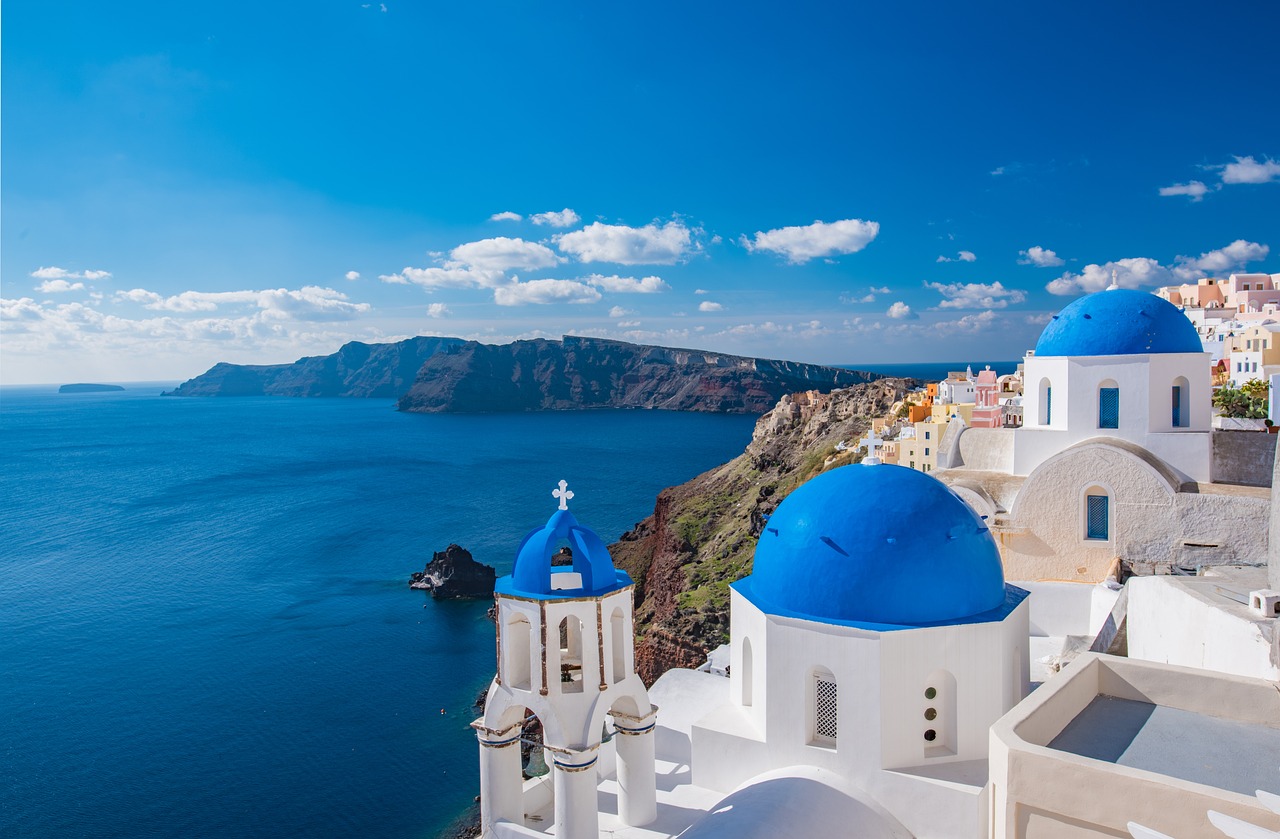
On day three, we flew from Athens to Santorini, arriving at the iconic blue-and-white village of Oia. Traveling in the off-season, the island felt calm and unhurried, with winding stairways, layered white houses, and sweeping views of the Aegean Sea.
Planned excursions to the volcanic islands and local wineries were canceled due to strong winds and the quiet winter season, turning the visit into an unplanned lesson in slowing down.
Rainbows appeared repeatedly after passing showers, adding gentle color to the island’s serene atmosphere.
Day 4 · Oia
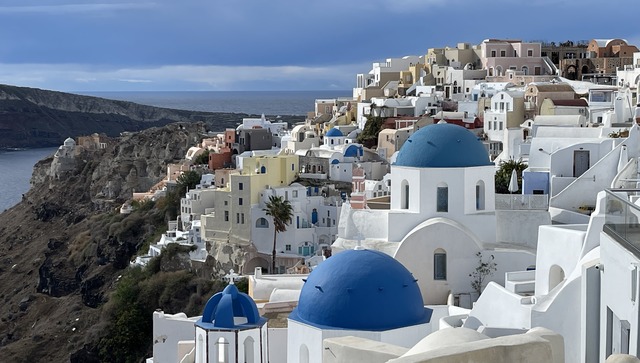
Day four was spent entirely in Oia, where we finally saw the iconic blue-domed churches. Traveling in the off-season meant no crowds, allowing us to photograph freely as light and clouds shifted throughout the day.
Continuing through the village, empty terraces, closed cafés, and preserved windmills revealed a quieter side of Santorini. Without the usual crowds, the village felt more like a lived place than a polished destination.
As evening fell, we waited for sunset. Though clouds hid the classic view, the soft light, glowing rooftops, and scattered streetlights created a quiet beauty, showing that even an imperfect sunset can feel memorable.
Day 5 · FIRA
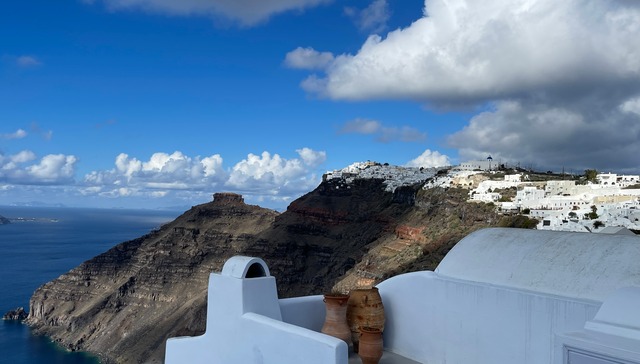
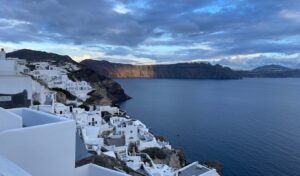
Day five was spent exploring Fira. Despite the quiet off-season pace, flexible transport and warm service made the day feel personal and unhurried. Built along cliffs, Fira overlooks the old port below.
The town’s layered structure, with paths and cable cars linking levels, reflected its trading past. Walking through its streets, views opened suddenly toward the caldera, creating a constant interplay between architecture and landscape.
In the afternoon, we drove around the island, stopping at Red Beach, where volcanic rock creates vivid color. A nearby black sand beach offered another striking reminder of Santorini’s geological origins and dramatic natural history.
Day 6 · Athens
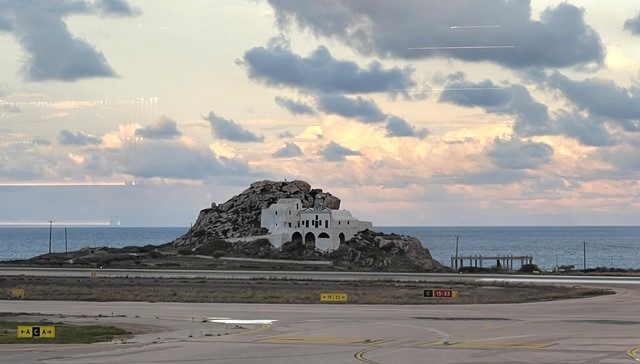
Day six marked our final moments in Fira before an afternoon flight to Athens. A late checkout gave the morning an unhurried pace, allowing us to enjoy the quiet atmosphere a little longer.
We planned a seaside lunch near the airport and found a small restaurant by the beach. The simple setting and ocean view made the meal feel like a natural and fitting farewell.
Throughout the island, interactions felt gentle and unforced, especially in the off-season. Without any formal goodbye, Santorini faded quietly into memory, leaving behind a calm and lasting impression.
Day 7 · Delphi
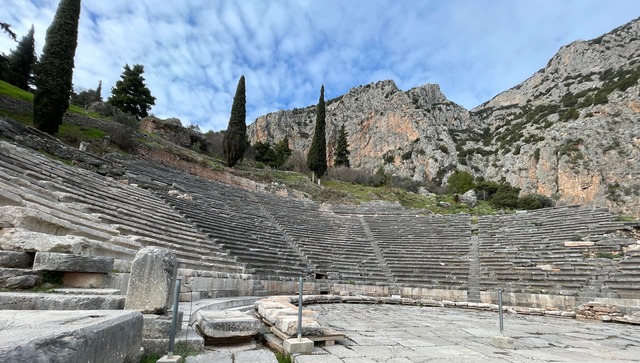
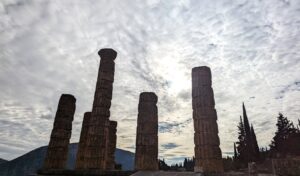
Day seven was dedicated to Delphi, one of the most sacred sites in ancient Greece and home to the Oracle. Even in ruins, the setting conveys a strong sense of its former spiritual authority.
Though only columns of the Temple of Apollo remain, the theater is better preserved. Together, they reflect the connection between religion and civic life, while the museum adds depth through artifacts like the Sphinx.
In the afternoon, we visited Arachova, a mountain town often called “Little Switzerland.” Its sunny streets and relaxed pace offered a gentle contrast, ending the day with a sense of simple, everyday happiness.
Day 8 · Mycenae
Day eight began at the Corinth Canal, an ambitious project linking the Aegean and Ionian seas. Today it serves mainly as a scenic landmark, where narrow cliffs and calm waters create a striking view.
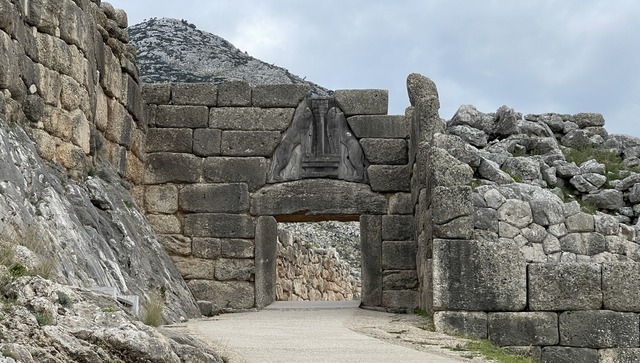
We continued to Mycenae, the center of Mycenaean civilization. The Lion Gate, its most iconic feature, stands as the largest surviving prehistoric relief in the Aegean, reflecting both power and myth.
In the afternoon, we arrived in Nafplion, a former capital of modern Greece. Its seaside setting and gentle winter light offered a calm ending, where everyday moments balanced the journey’s focus on myth and history.