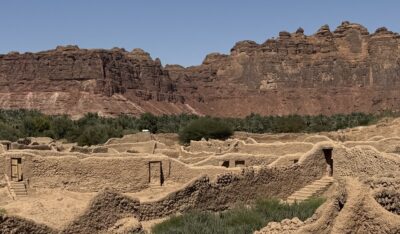
From the 9th to 6th century BCE, a powerful group settled in Dadan, an important trading hub along the incense route in northern Arabia. This was the Kingdom of Dadan. Later, they were succeeded by the Lihyan Kingdom, whose influence stretched all the way to the Red Sea. Lihyan became one of the most significant powers in ancient Arabia.
Ramadan Schedule Surprises
You can’t drive your own car to visit Dadan—tickets must be booked in advance through their official website. We arrived an hour early and asked the staff if we could join an earlier shuttle. To our surprise, we were told that due to Ramadan, there were only two shuttles a day: one in the morning and one in the afternoon. No wonder most time slots had shown as sold out when we were booking. So that’s the story behind the “high demand”!
Welcome Center & Mountain Tombs
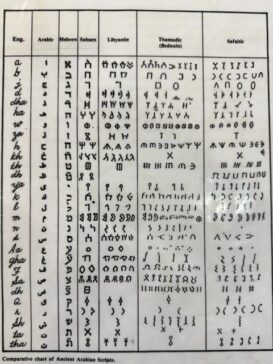
Our first stop at Dadan was the welcome center, where the guide introduced us to the site’s history and showed us a few artifacts. One particularly interesting piece was a language comparison chart—fascinating to see so many scripts side by side.
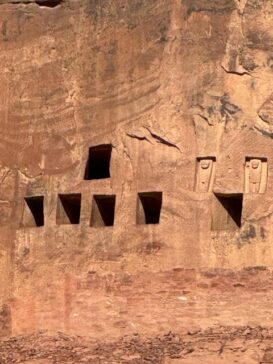
Next, we visited the mountain tombs. These tombs were carved into the rock face, simple square-shaped chambers dating back to the 9th century BCE. At the entrances, inscriptions marked the identity and family of the deceased. The more elaborate ones had lion carvings above them—stylized yet still recognizable with heads, bodies, and legs. Quite impressive given their age. What’s even more amazing is how well these structures have survived after over two thousand years.
A Rare Glimpse of the Ancient City
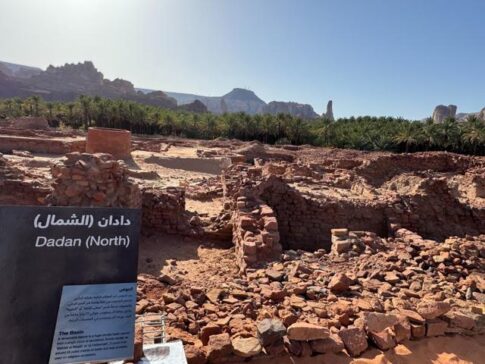
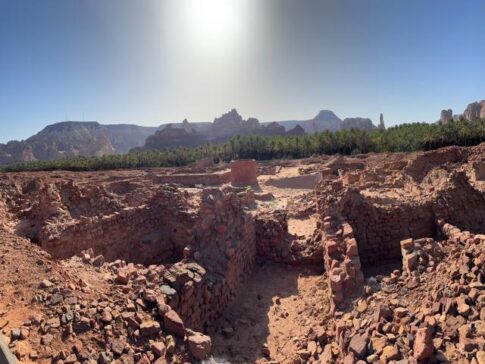
Our next stop was the Dadan ruins. According to the guide, this area is still under excavation and usually kept covered and closed to the public. But just two months ago, it was temporarily opened upon request. What a lucky coincidence—it’s all about timing!
To the untrained eye, the site may seem like just a pile of rubble. But to archaeologists, it reveals a structured city layout: a temple, a well, and a large ceremonial basin where people would wash their hands before entering the temple. The ritual reminds one of modern-day ablutions practiced by Muslims.
Jabal Ikmah · An Open-Air Library of Ancient Inscriptions
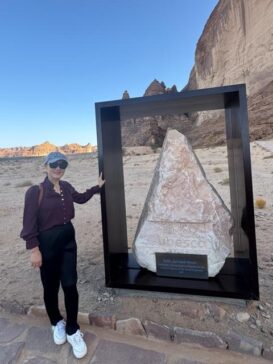
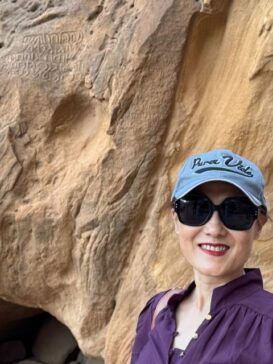
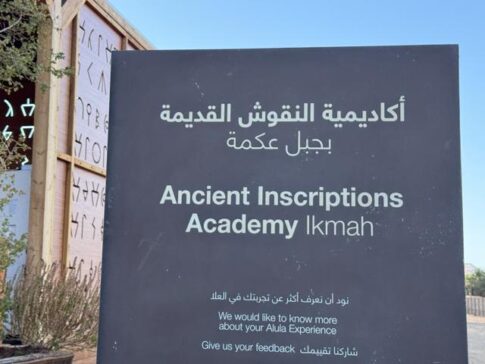
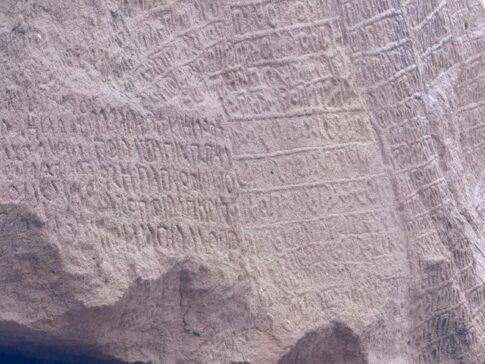
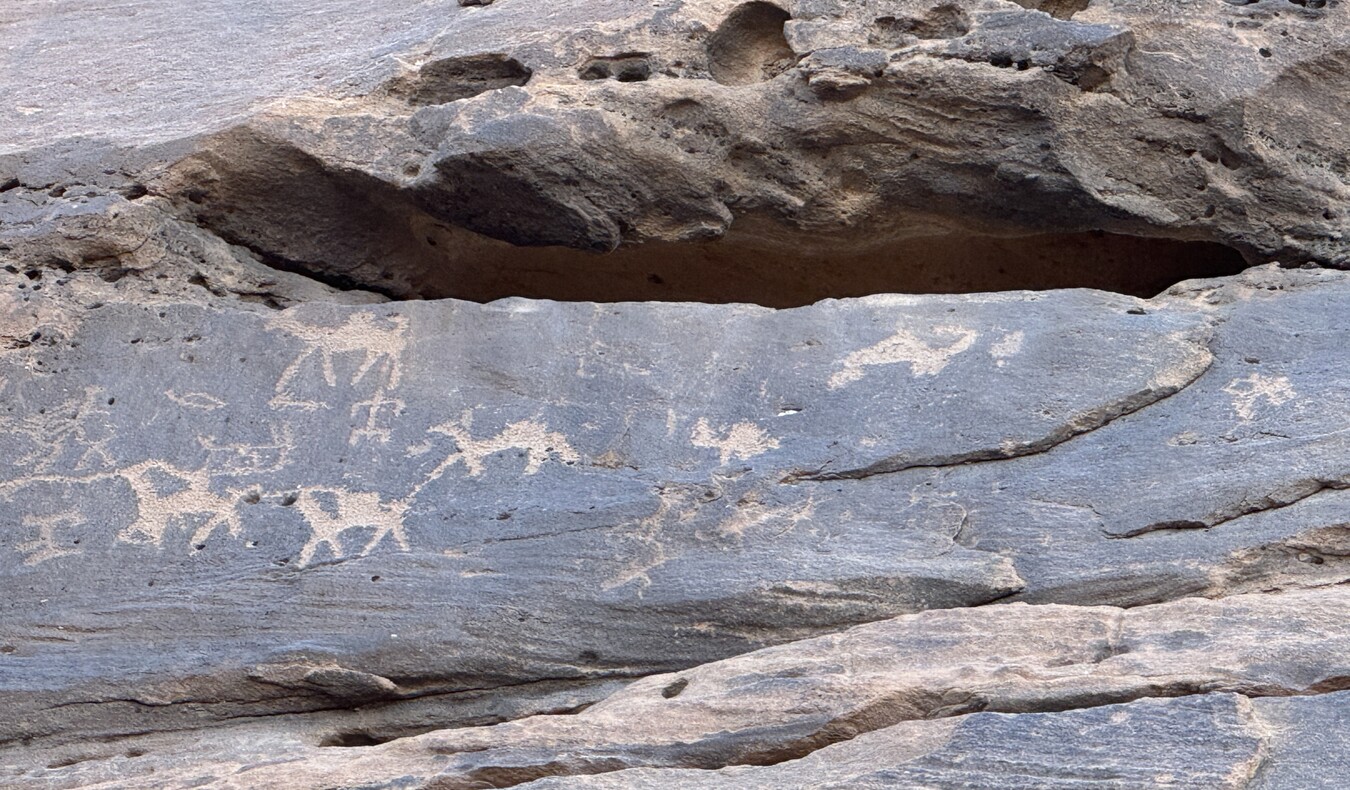
We then visited Jabal Ikmah, often referred to as an “open-air library.” Recognized by UNESCO as a protected cultural heritage site, the cliffs here are covered in inscriptions and petroglyphs from various ancient scripts—Dadanitic, Aramaic, Thamudic, and Nabataean among them.
The messages carved on the rock tell ordinary stories of ancient life: who the king was at the time, what kind of animal was sacrificed to the gods that day. Some rock art also features depictions of animals, giving us a glimpse into daily life and beliefs in this desert thousands of years ago.
Desert Camp · Our Final Night in AlUla
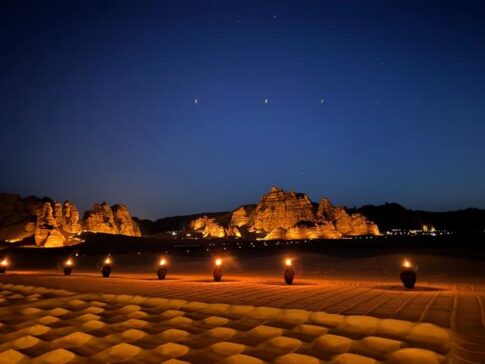
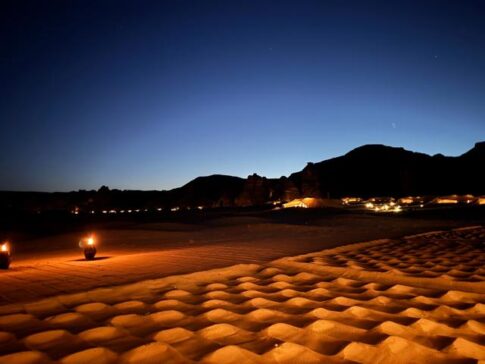
By the time we returned to our lodge, the sky had begun to darken. Rows of low tents stretched quietly along the edge of the rock formations. Bonfires were lit in the sand, casting a warm orange glow that spread across the dunes and even lit up the distant hills in a reddish hue.
The wind stirred the flames and gently traced the patterns on the sand. Outside the tents, the deepening blue sky slowly filled with stars, one by one, as if lighting up this vast and peaceful land.
Silence fell over the desert. Only the fire and the wind whispered to each other. This beautiful night marked our final evening in AlUla.
🌍 What’s Next?
On Day 24, we continue our exploration of Hail — once the capital of the powerful Rashidi dynasty. From the ancient rock carvings at Jabal Umm Sinman to moments of quiet observation in the desert, the day offers a rich blend of history, culture, and insight into a region often overlooked by travelers. It’s a chance to look deeper into Saudi Arabia’s northern heritage — and into the heart of the Arabian Peninsula itself.
We use cookies to ensure that we give you the best experience on our website. If you continue to use this site we will assume that you are happy with it.