
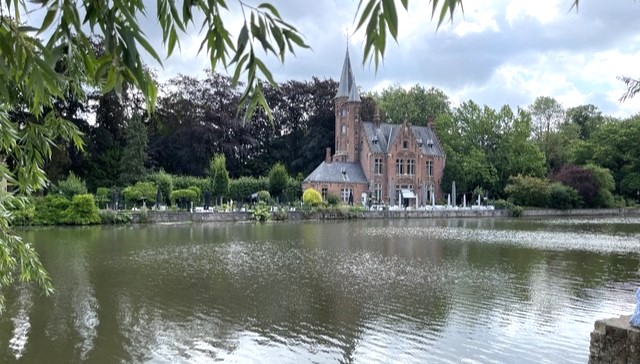
This five-day journey through Belgium revealed far more depth than its small size might suggest. From Brussels’ role as the heart of Europe to the medieval serenity of Bruges and the artistic heritage of Antwerp and Ghent, each city offered its own rhythm and character. We explored grand squares, Gothic cathedrals, and UNESCO-listed landmarks, admired masterpieces by Rubens and the Van Eyck brothers, and learned about Belgium’s historic textile and printing industries. Along the way, canal boat rides, diamond districts, and unexpected festival scenes added texture to the experience. Of course, Belgian flavors were never far — beer, mussels, chocolate, waffles, and refined dining all found their place. What began as a short European stop evolved into a thoughtful exploration of history, culture, and daily life. Belgium proved to be both elegant and approachable, compact yet remarkably complete.
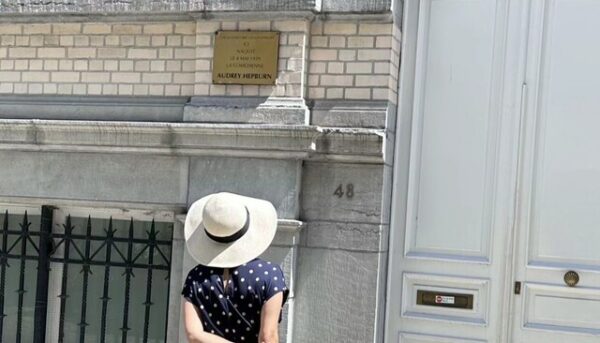
Brussels Day 1 – Audrey Hepburn and the Capital of Europe
Our first day in Brussels was full of surprise. Though compact in size, Brussels immediately revealed its international character as the administrative heart of the European Union. A surprise discovery near our hotel — Audrey Hepburn’s humble birthplace — added a personal touch to the day. Lunch at a Michelin-recognized seafood restaurant inside the Royal Gallery Saint-Hubert brought both mixed impressions and memorable flavors, from fresh oysters to an extra gesture of chocolate at coffee. We later hurried through the Royal Museums of Fine Arts to see The Death of Marat, arriving just before closing. The powerful painting and a brief introduction to Rubens’ works deepened our appreciation for Belgian art. Dinner at our hotel, enhanced by a fortunate discount, provided a refined and satisfying close to a culturally rich first day.
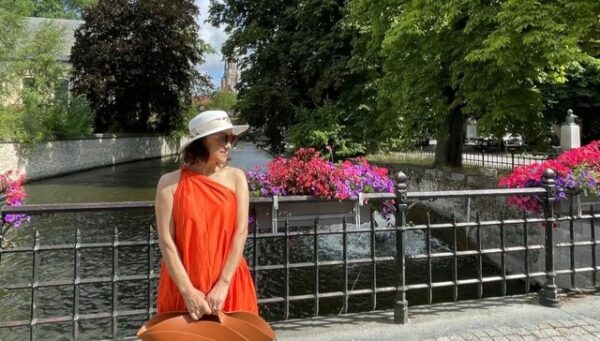
Bruges Day 2: Medieval Canals and Belgian Flavors
Day two in Bruges unfolded like a walk through a living medieval painting. Following Rick Steves’ advice, we discovered why this small canal city ranks so highly among Belgian destinations. Red-brick houses, quiet waterways, and elegant swans created a calm atmosphere despite the crowds. At De Halve Maan Brewery, we learned about the family-run history of Belgian brewing and the ingenious underground pipeline built to protect the historic streets. Lunch featured classic Belgian flavors — mussels, fries, and locally brewed beer. We then visited the Basilica of the Holy Blood and the Church of Our Lady, home to Michelangelo’s Madonna and Child. A chocolate museum offered insight into Belgium’s sweet heritage, complete with tastings. Waffles added the final indulgence. Though an evening boat ride was missed, the day felt complete — a rich blend of history, flavor, and gentle medieval charm.
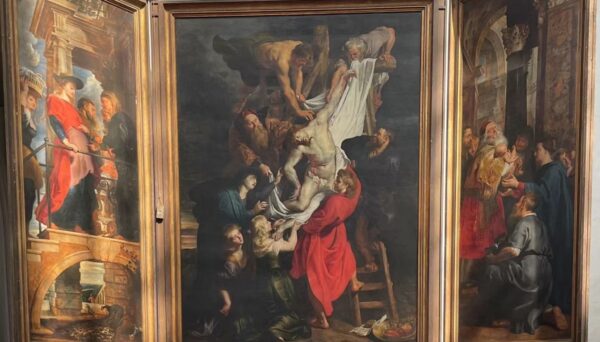
Antwerp Day 3: Diamonds, Printing Presses, and Rubens
Day three in Antwerp blended grandeur and cultural depth. Breakfast at a small local café set a relaxed tone before taking the train to Antwerp, where the magnificent Central Station immediately impressed us with its palace-like architecture. As the world’s diamond trading capital, the city’s historic prosperity felt evident. At the UNESCO-listed Plantin-Moretus Museum, we explored the preserved sixteenth-century printing house that once published Bibles and shaped European publishing history. The Cathedral of Our Lady showcased Rubens’ masterpieces, including the dramatic Raising of the Cross, where his signature diagonal composition stood out once again. After a long day of art and history, we chose a cozy Japanese noodle shop for dinner, a comforting return to Asian flavors. Though Rubens’ residence was closed for renovation, the youthful atmosphere of our Moxy hotel provided an energetic end to a culturally rich day.
Day 4: Bruges by Canal and Festival Energy in Ghent
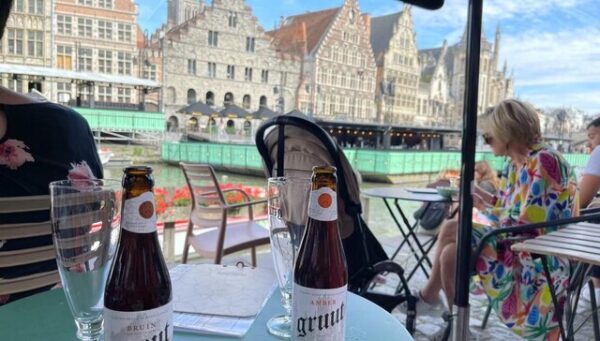
Day four blended scenic calm with unexpected festivity. We returned to Bruges to experience its canals from the water, boarding a boat just in time. Gliding beneath low medieval bridges and past stepped-gable houses revealed new perspectives on the town’s history and architecture. Lunch at a locally praised restaurant offered refined dishes, though a quickly diluted cocktail provided mild amusement. In the afternoon, we traveled to Ghent and visited Saint Bavo’s Cathedral to see the monumental Adoration of the Mystic Lamb by the Van Eyck brothers — a masterpiece that marked the transition to Renaissance oil painting. Along the river, preparations for the Gentse Feesten were underway, and we found ourselves amid the opening day of one of Europe’s largest cultural festivals. The day concluded with simple beers by the water and an unexpectedly satisfying Chinese dinner in a medieval stone setting.
Day 5: A Gentle Farewell to Brussels
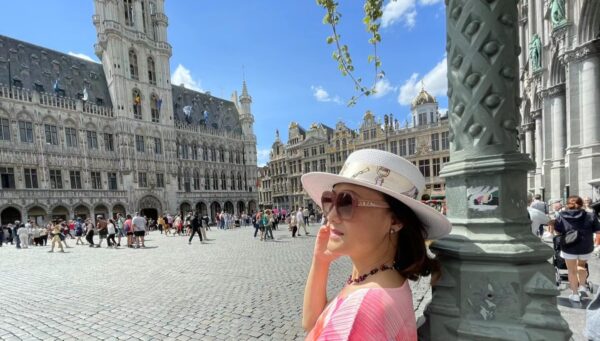
Our final day in Belgium unfolded at a relaxed pace in Brussels. Lunch at Comme Chez Soi provided refined cuisine and warm hospitality before we revisited the Grand Place, now free of festival tents and open to full admiration. The Gothic City Hall, a fifteenth-century UNESCO World Heritage Site, revealed Belgium’s textile heritage through its grand tapestries and preserved architectural details. A small moment at the ticket counter offered an unexpected lesson in staying calm under pressure. Inside, we learned about Flanders’ prominence in European weaving and even discovered Belgium’s geographical zero point. Reflecting on a brief airport stopover years earlier, when we hurried through the city to see the Manneken Pis, this visit felt more complete and unhurried. Belgium, once a transit stop, had transformed into a thoughtfully explored destination.
Excellent!