You are currently viewing Shanxi Travel Journal Day 10: Yuncheng – Qinglong Temple & Li Family Courtyard
Li Family Courtyard 李家大院

Shanxi Travel Journal Day 10: Yuncheng – Qinglong Temple & Li Family Courtyard

Today we left Linfen and drove to Yuncheng, visiting several sites along the way.

Our first stop was Guangsheng Temple Yuncheng. Originally built during the Tang Dynasty and rebuilt in the Yuan Dynasty, it is famous for its preserved Yuan Dynasty murals. About 185 square meters of murals remain, comparable in artistic value to those of Yongle Palace, together known as the “Two Treasures of Shanxi Murals.”

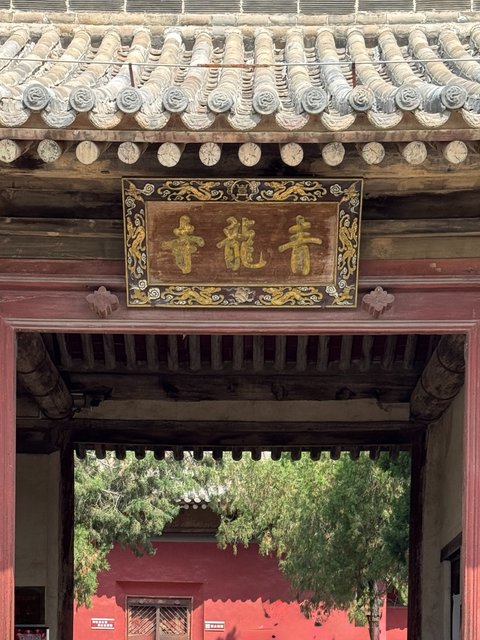
Qinglong Temple Yuncheng 运城青龙寺

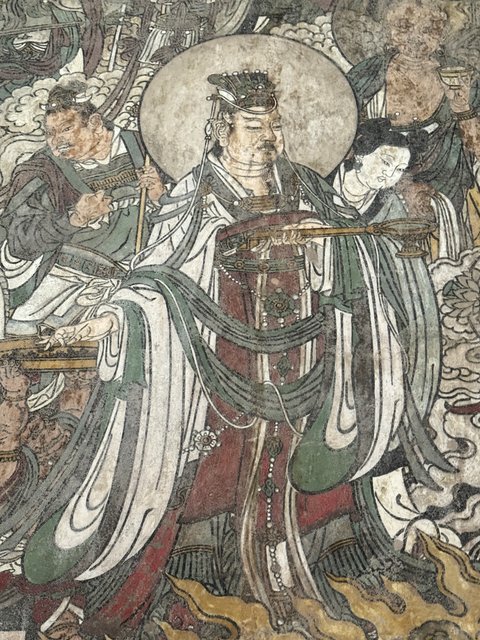
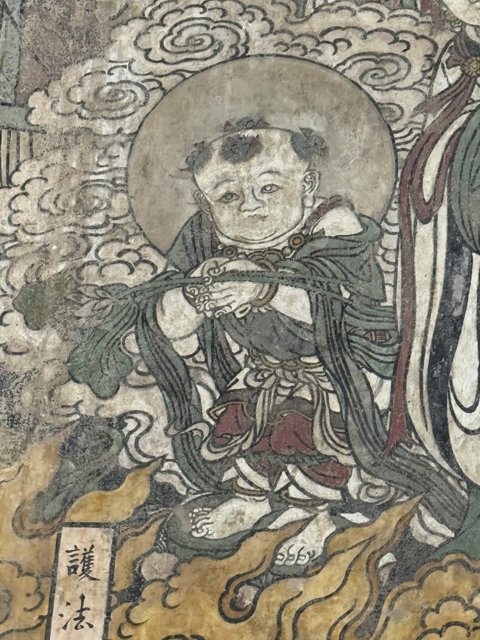
The temple itself is modest, but stepping into the Standing Buddha Hall is overwhelming. The murals on the right wall are especially well preserved, depicting deities, historical figures, and children at play, vividly expressing a fusion of Buddhist, Confucian, and Taoist elements.

Qinglong Temple Yuncheng 运城青龙寺

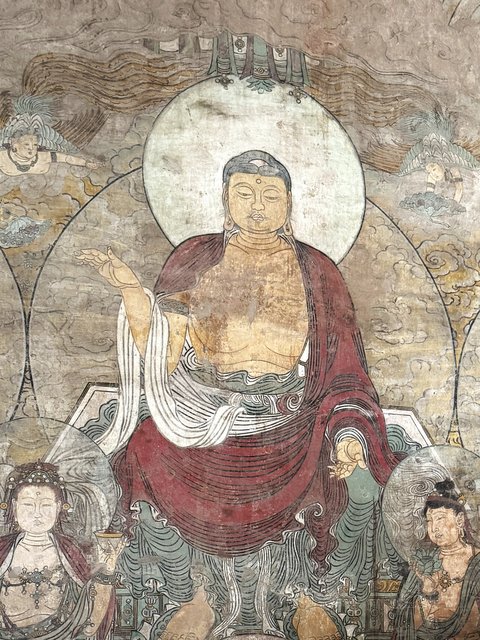
In the Mahavira Hall, large-scale murals show Sakyamuni seated at the center, with Bodhisattvas such as Guanyin on both sides. The colors remain bright, and the lines are fluid and elegant.

Qinglong Temple Yuncheng 运城青龙寺

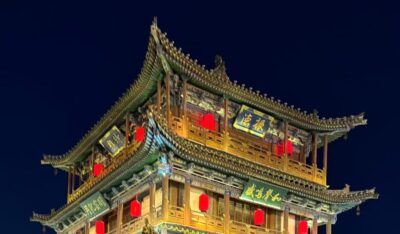
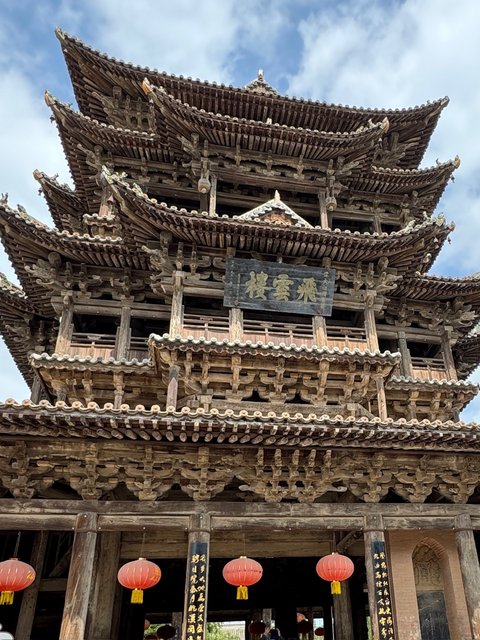
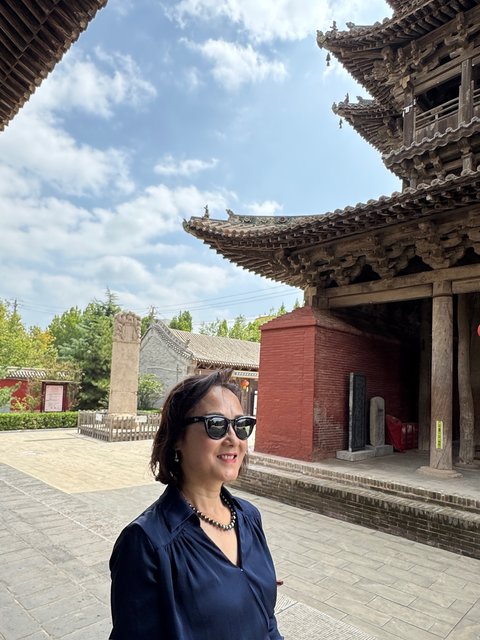
Next, we visited Feiyun Tower, located within the Dongyue Temple. This wooden structure is renowned for its intricate and dense bracket system (dougong), far surpassing those seen in other temples.

Feiyun Tower 运城飞云楼

The craftsmanship is extraordinary—not only are the brackets finely detailed, but the eaves are also richly decorated with colorful glazed figures and vividly carved dragon heads, reflecting remarkable dedication and artistry.

Feiyun Tower 运城飞云楼_web

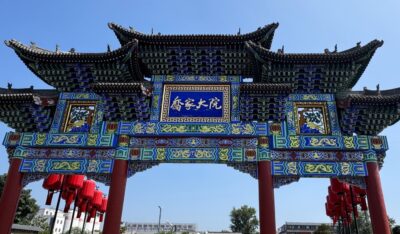
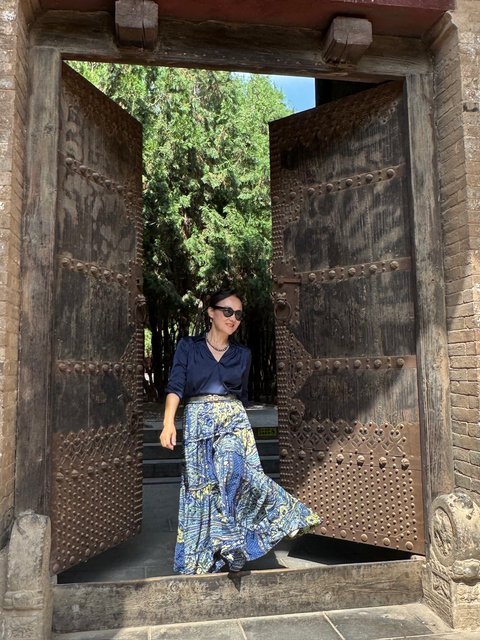
We then arrived at Li Family Courtyard, one of Shanxi’s four great courtyards, second in scale only to the Wang Family Courtyard. Built during the Qianlong period of the Qing Dynasty, it was developed over decades by the wealthy Li family.

Li Family Courtyard 李家大院

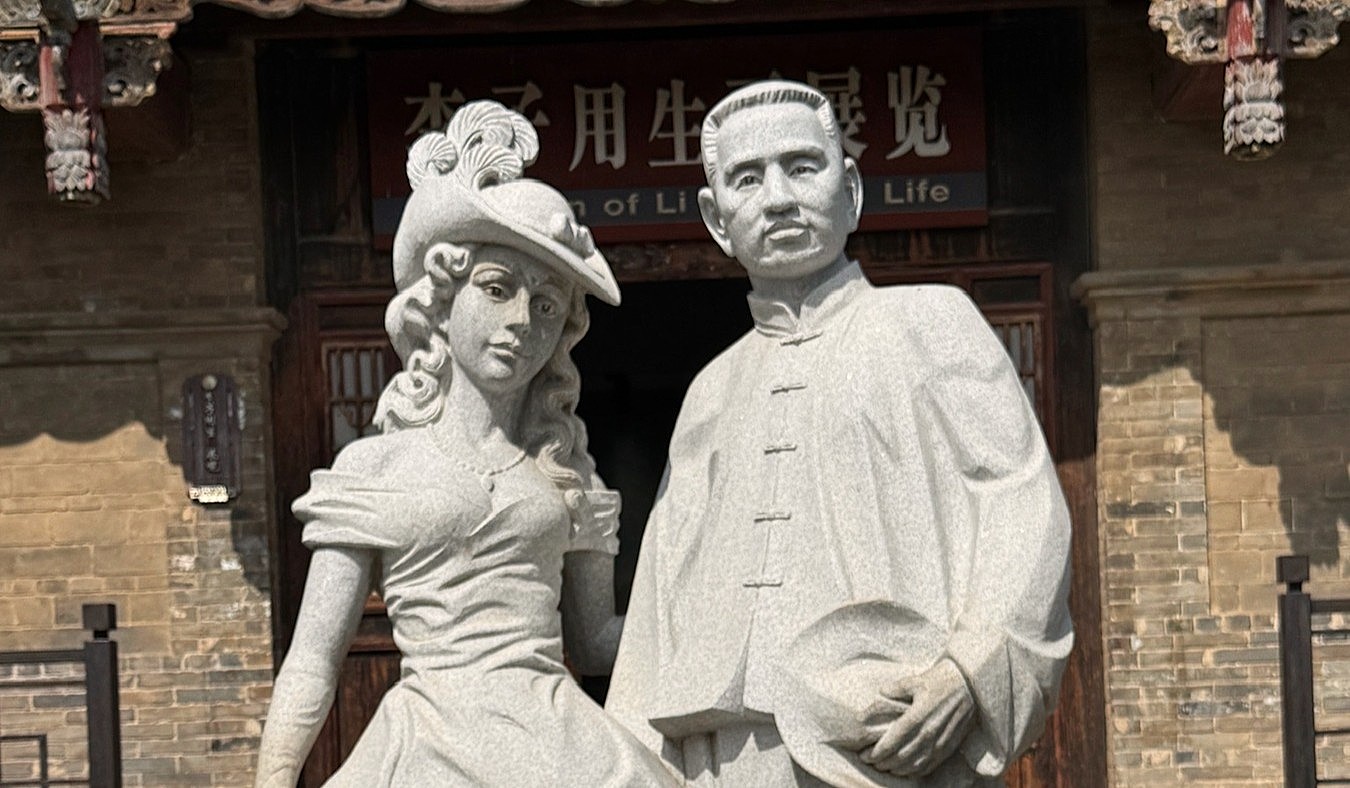
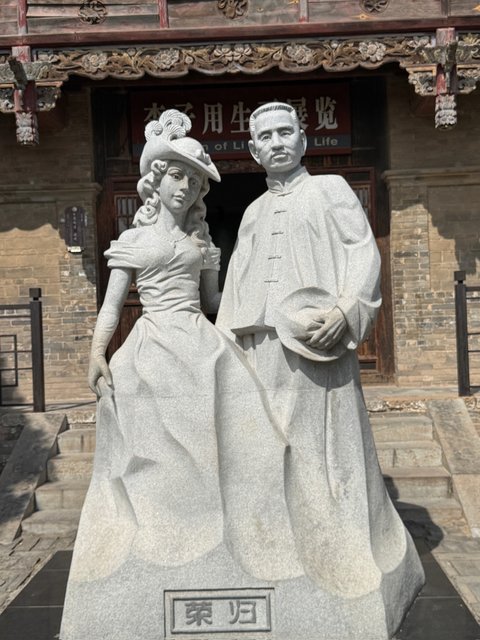
A key figure highlighted here is Li Daoxing of the fifteenth generation. In 1907, he went to Britain to study textile engineering and returned in 1914 with his British wife. After taking over the family business, he reformed its management, increasing employee profit shares and dividends, which doubled the company’s profits within a year.

He later expanded into industries such as food and textiles, and during times of famine, he helped local people, earning the title “Benefactor Li.”

The courtyard covers about 20,000 square meters with over 150 courtyards. In Ziming Hall, part of Li Daoxing’s residence, stands a statue of him and his wife. The architecture blends Chinese and Western styles, reflecting cultural integration.

Li Family Courtyard 李家大院

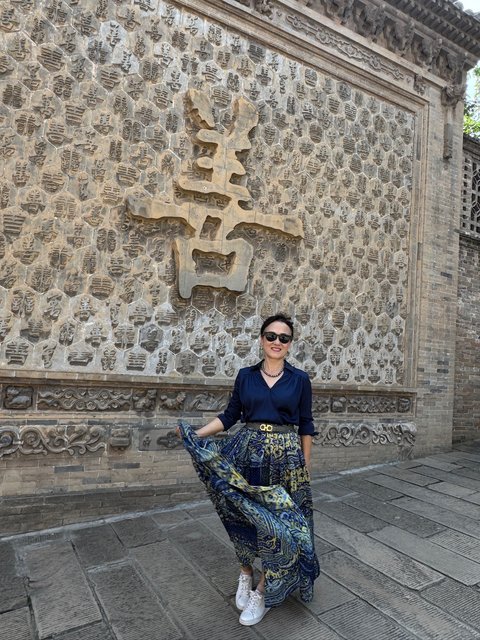
Throughout the complex, the concept of “goodness” is emphasized, especially in the “Hundred Virtues Wall,” which features 365 different forms of the character “善,” symbolizing the idea of practicing kindness every day of the year.

Li Family Courtyard 李家大院

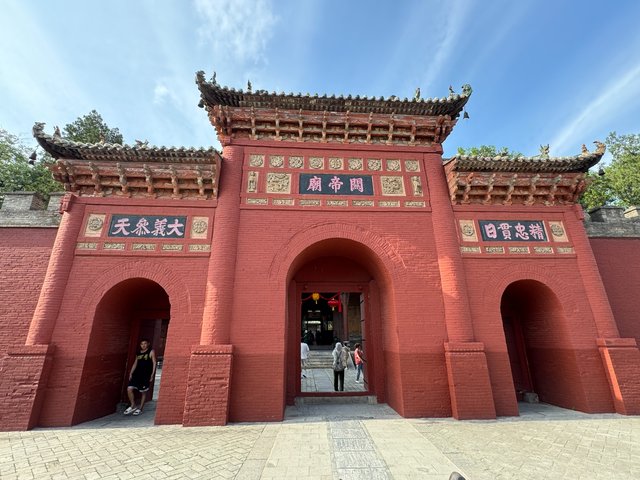
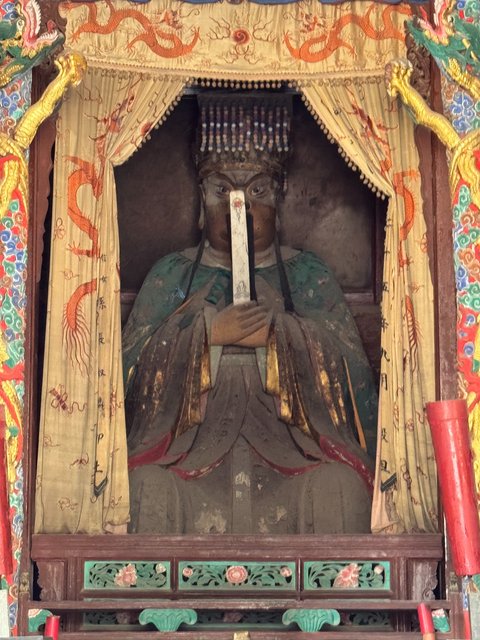
We then drove to Guandi Temple Haizhou. Dedicated to the Three Kingdoms general Guan Yu, this temple is located in his hometown and is the largest and most prestigious of its kind in China.

Guandi Temple 解(hai)州关帝庙

Originally built during the Sui Dynasty and expanded over time, it now covers about 220,000 square meters. The main complex includes the mountain gate, Meridian Gate, offering hall, Chongning Hall, main hall, and sleeping hall. Additional areas commemorate the Peach Garden Oath and Guan Yu’s ancestors, highlighting themes of loyalty and filial piety.

Guandi Temple 解(hai)州关帝庙

We also planned to visit the Yuncheng Salt Lake to see its famous colorful waters, but were told that the best viewing season is July and August, so we skipped it.

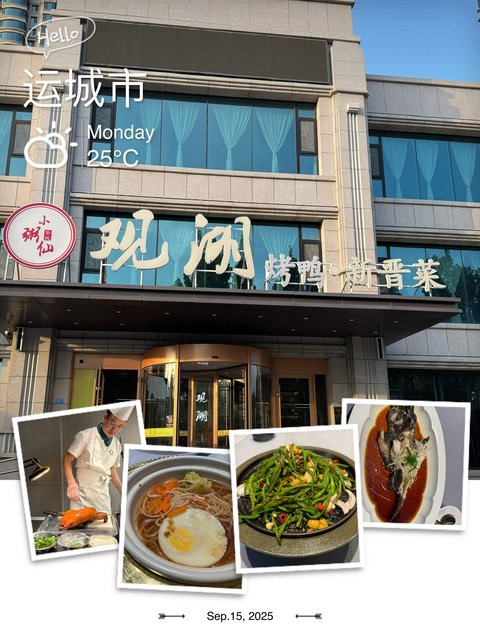
Dinner became the highlight of the day, as my family joined me in Yuncheng to celebrate a wonderful birthday evening.

Dinner at Guanzhou Roasted Duck 观洲烤鸭

📍 Travel Logistics

🛏️ Accommodation: Hampton by Hilton Yuncheng Yanhu

🚗 Transportation: Rental Car

📥Planning a similar trip? Download your free itinerary below. 🧭

Leave a Reply