Today’s itinerary focused on Yuncheng.
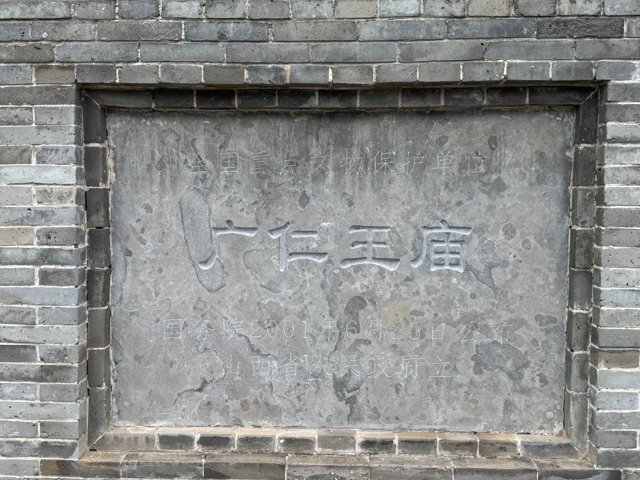
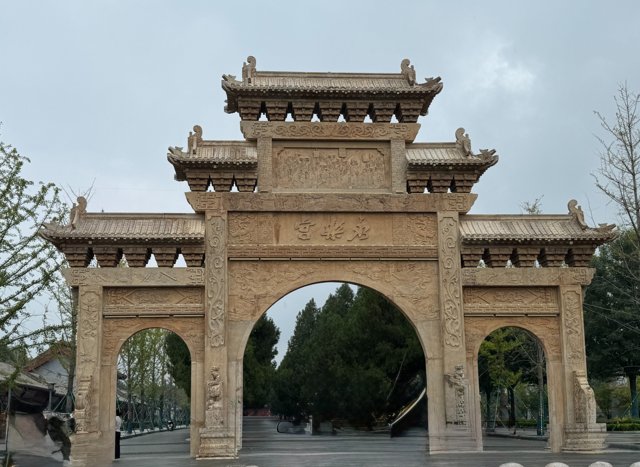
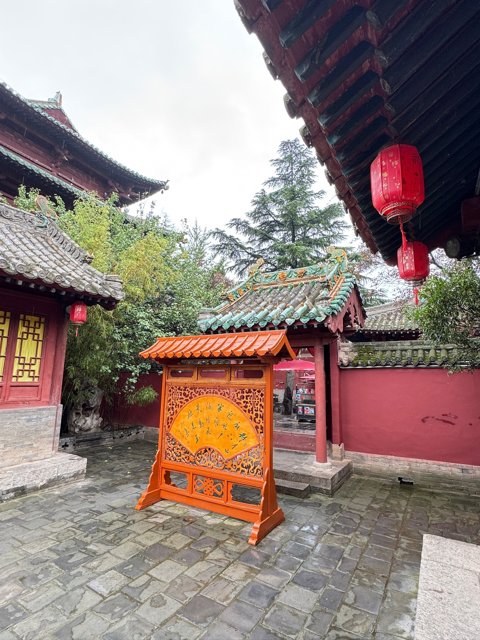
Our first stop was Guangren Wang Temple, also known as the Five Dragons Temple. It was built around a natural spring, and the locals worship the Dragon Spring deity, Guangren King. The water once supported irrigation for nearby farmland.
The temple was constructed in 832 during the Tang Dynasty, and many wooden structural elements—such as column capitals and bracket sets—retain distinctive Tang architectural features.
The main hall is the core structure, with simple yet powerful bracket systems and beams reflecting authentic Tang style. It is recognized as a nationally protected Tang wooden structure.
The opera stage, rebuilt during the Qing Dynasty, was used for performances dedicated to the Dragon King. Even today, performances are still held annually in May.
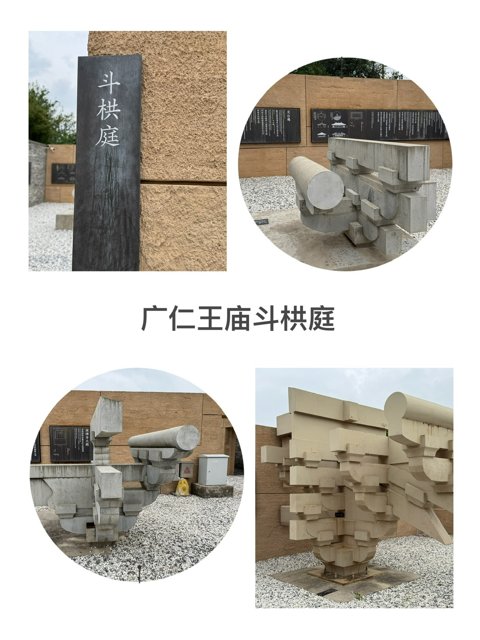
One of the most interesting features was the dougong exhibition courtyard, where different bracket structures are displayed—from the simplest single-layer type to complex multi-layer designs like those seen in Foguang Temple.
However, since the 1990s, excessive groundwater extraction has caused the spring to dry up.
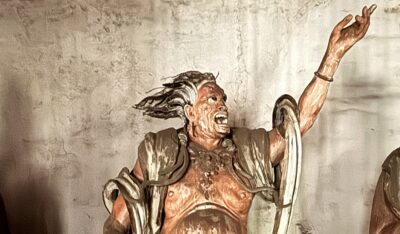
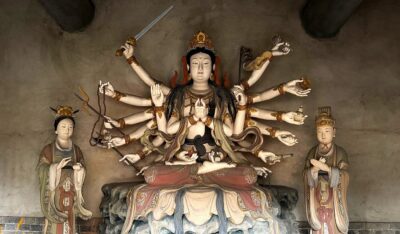
Next, we visited Yongle Palace, an important Quanzhen Taoist site dedicated to Lü Dongbin, one of the Eight Immortals.
Born in Shanxi during the Tang Dynasty, Lü Dongbin pursued official success unsuccessfully before turning to spiritual cultivation and eventually achieving immortality. Visiting Yongle Palace in his hometown felt especially authentic.
The palace complex covers over 30,000 square meters, aligned along a central axis with major halls including Sanqing Hall and Chunyang Hall. It stands as a masterpiece of Yuan Dynasty Taoist architecture.
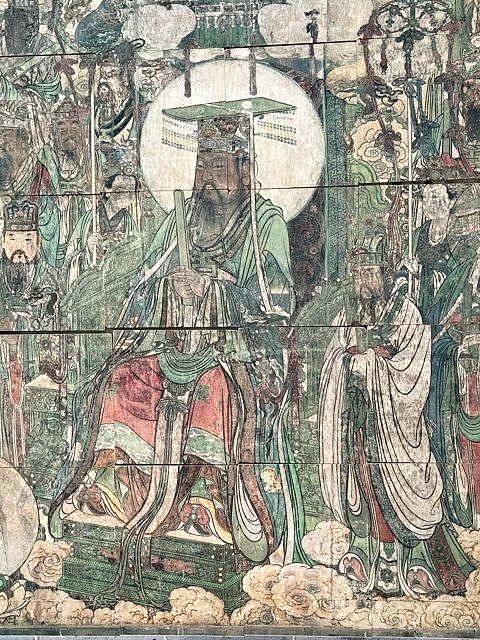
Its most famous feature is the extensive Yuan Dynasty murals, covering over 1,000 square meters—the largest surviving collection of its kind in the world.
However, the viewing experience was somewhat disappointing. The halls were dimly lit, making the murals difficult to see clearly, and photography was not allowed.
Out next stop was Pujiu Temple.
Pujiu Temple is closely associated with the famous Yuan Dynasty play “Romance of the Western Chamber,” where the love story of Zhang Sheng and Cui Yingying unfolds.
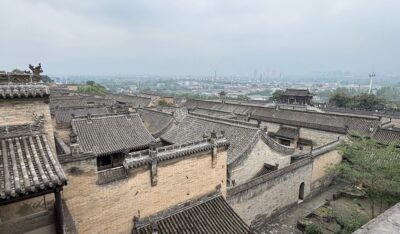
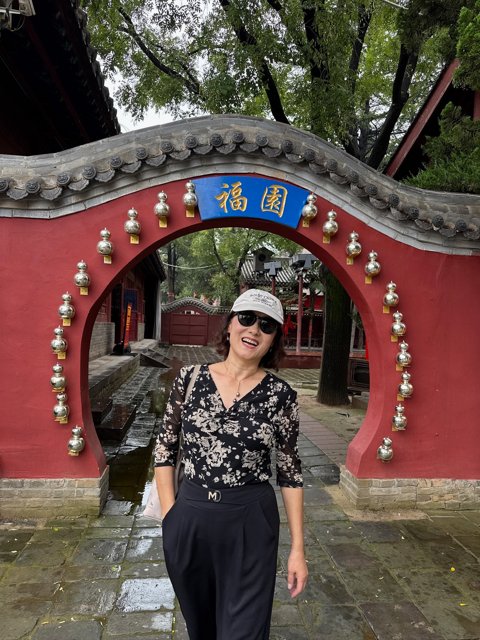
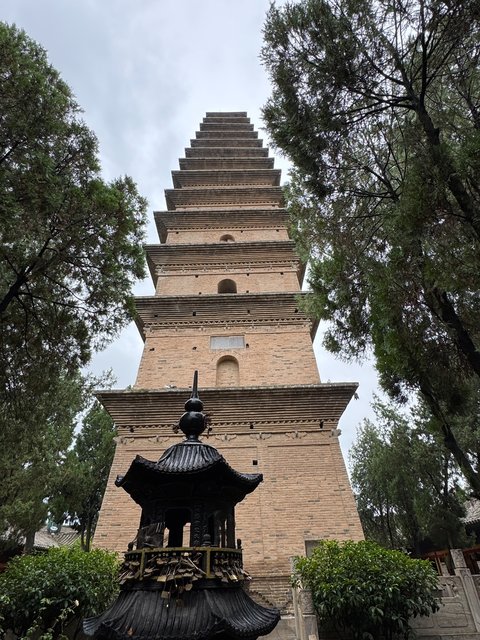
The temple dates back to the Northern and Southern Dynasties and was later rebuilt in various historical styles. We visited the reconstructed study courtyard and the Yingying Pagoda, a Tang-style brick tower standing about 37 meters tall.
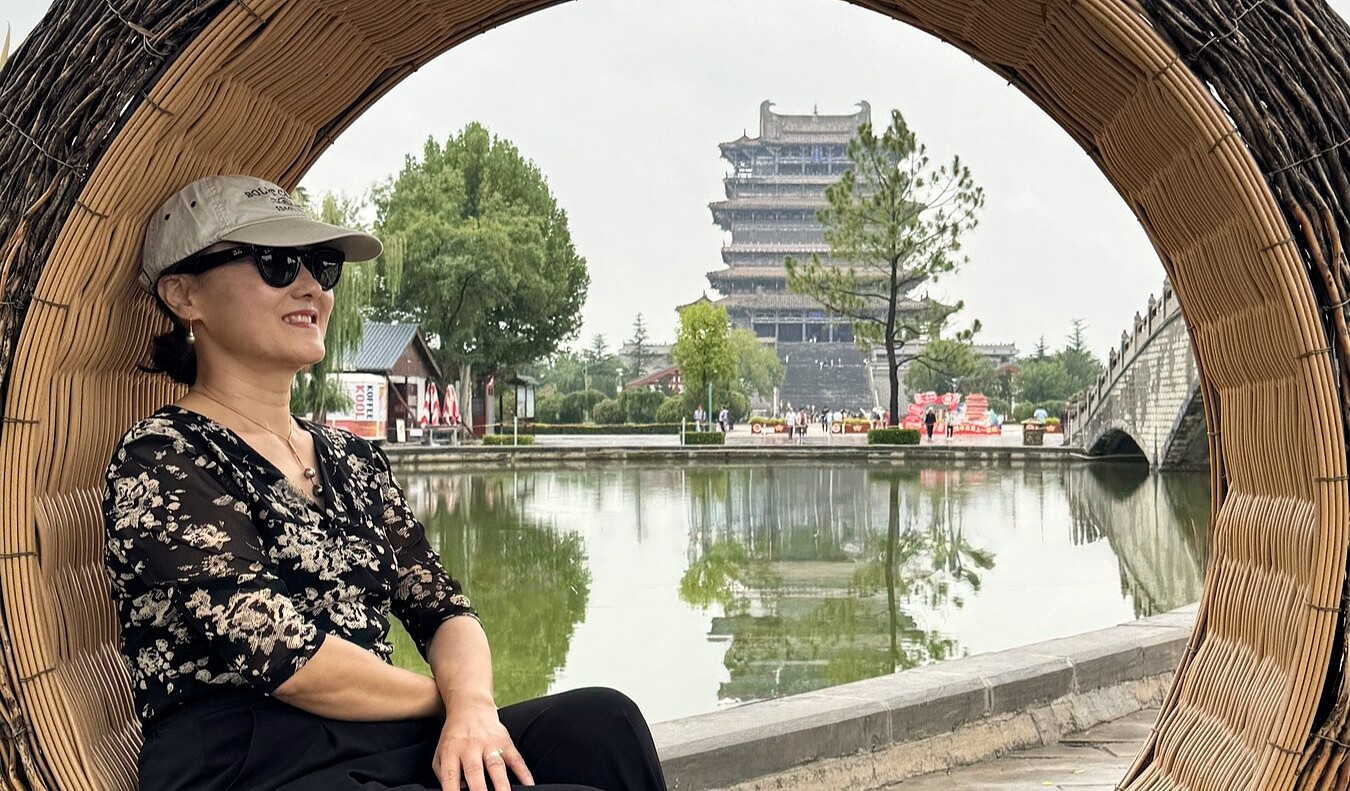
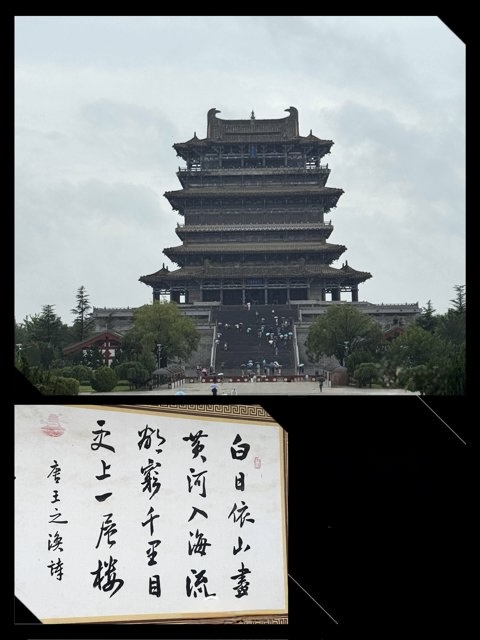
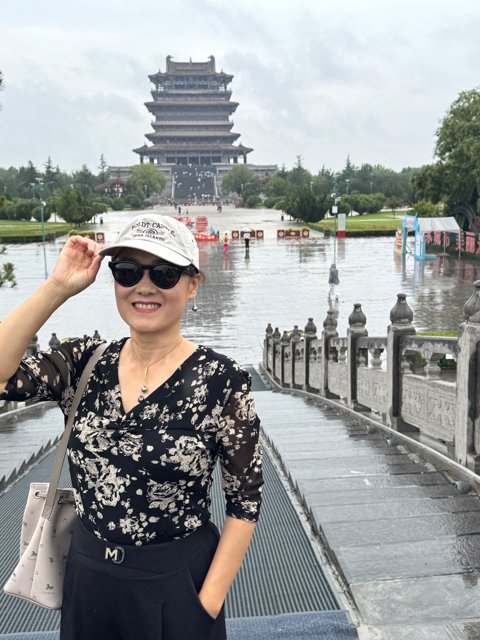
Our final stop was Guanque Tower.
“Climb one more level to see a thousand miles”—this famous line was written by Wang Zhihuan after visiting this tower, making it legendary.
Originally built in the 6th century during the Northern Zhou Dynasty, the tower was destroyed in the late Qing period and rebuilt in 1997.
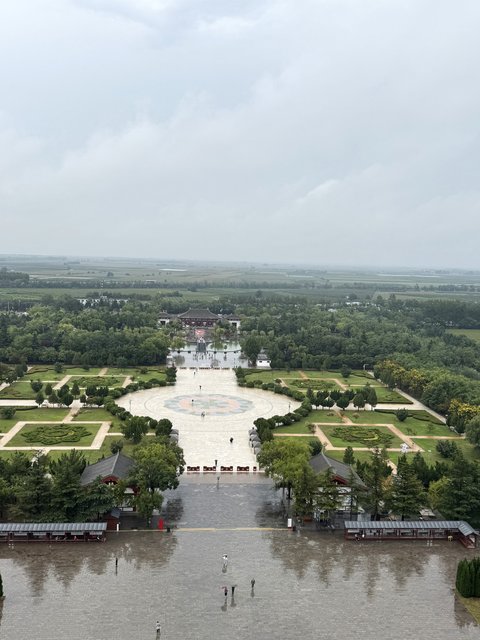
Standing at the top of the six-story tower, about 56 meters high, the expansive view brought a deeper understanding of the poetic vision behind that timeless verse.
Planning a similar trip? Download your free itinerary below.