You are currently viewing Shanxi Travel Journal Day 18: Exploring Pingyao Ancient City
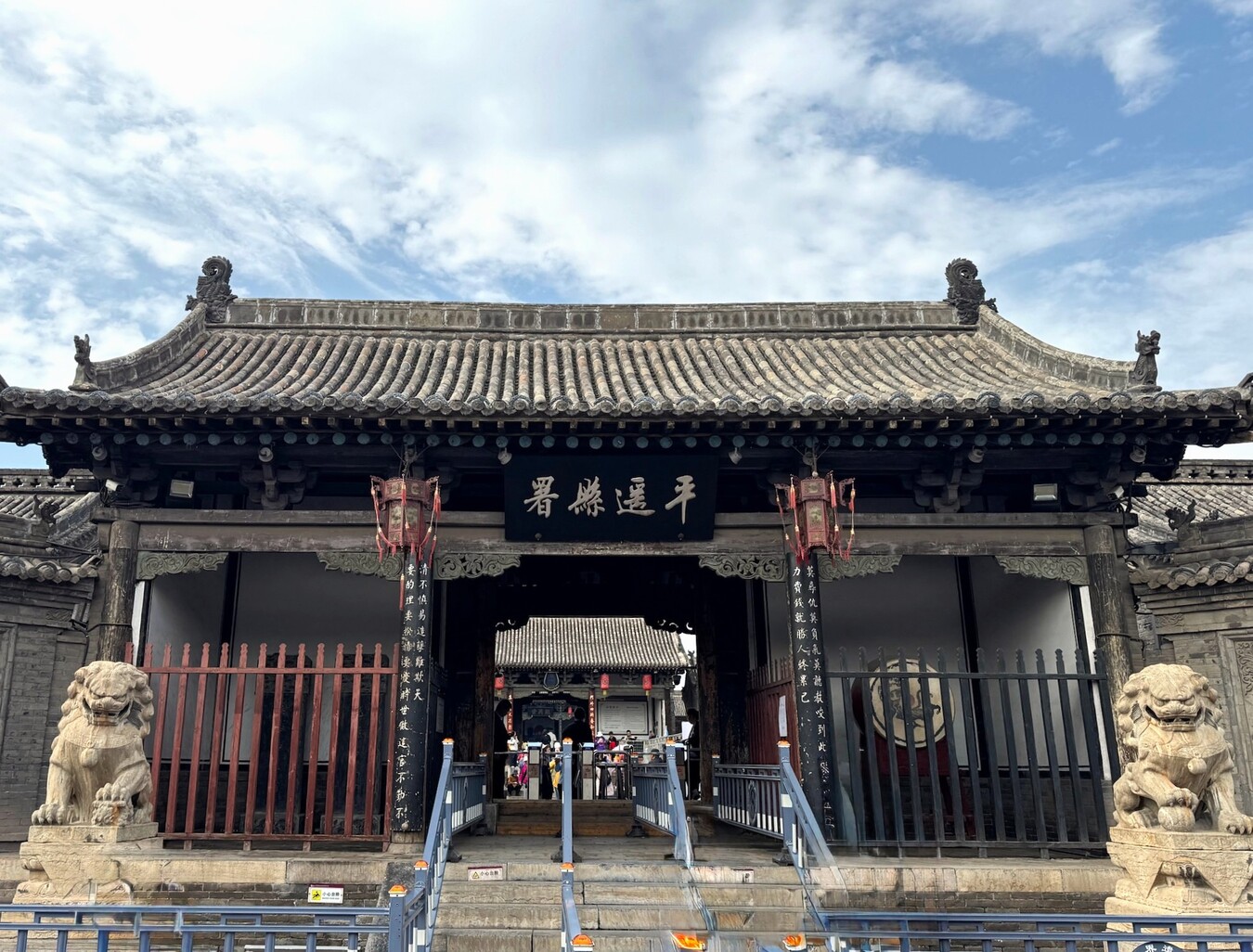
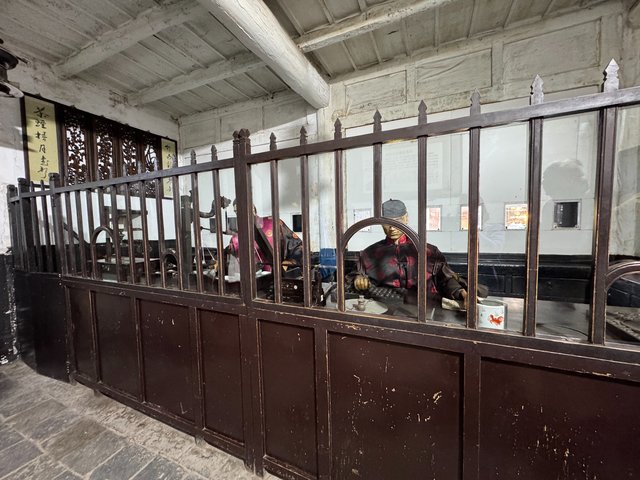
Pingyao County Office 平遥县衙

Shanxi Travel Journal Day 18: Exploring Pingyao Ancient City

Climbing a wall to view cultural relics—my first time ever.

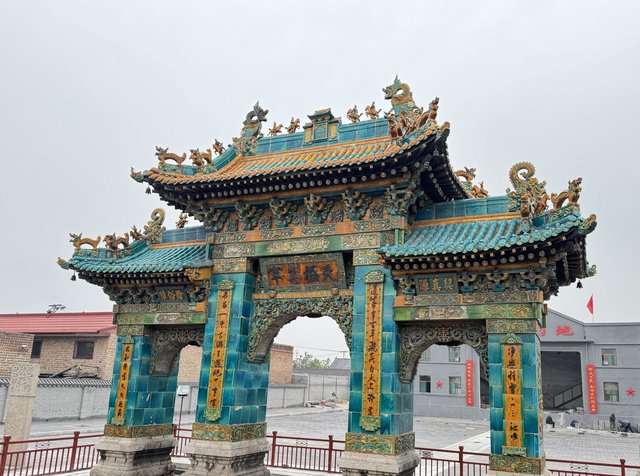
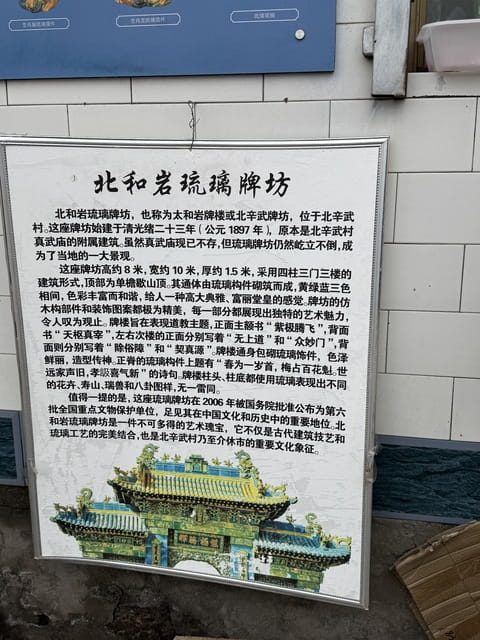
Today we drove to a lesser-known site, the Beixinwu Paifang. The original Zhenwu Temple no longer exists, but the ceremonial archway remains.

Beixinwu Paifang 北辛武碑坊

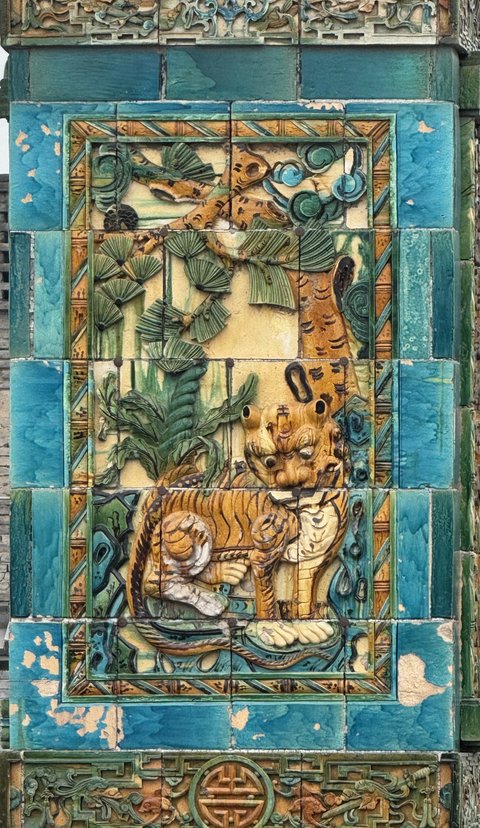
Built in 1897 during the Qing Dynasty, the structure is covered in glazed tiles, still shining today. The colors—yellow, green, blue, with accents of white, purple, and black—are vivid, with intricate carvings of dragons, mythical beasts, flowers, and human figures. It is considered a masterpiece of ancient Chinese glazed craftsmanship.

Since the site was under construction, we could not enter. Walking around the wall, we found a makeshift step built by others and climbed up to take photos of the front view.

Beixinwu Paifang 北辛武碑坊

Since the site was under construction, we could not enter. Walking around the wall, we found a makeshift step built by others and climbed up to take photos of the front view.

Beixinwu Paifang 北辛武碑坊

Next, we visited the Jiexiu Zoroastrian Temple.

The name itself caused confusion, as the character has multiple pronunciations. After asking staff, we learned it is pronounced “Xiān.”

In ancient China, fire worship was common. During the Northern Wei Dynasty, Zoroastrianism entered northern China via the Silk Road. Its fire worship blended with local traditions, leaving behind temples like this.

Xian God Temple 袄神庙_compressed

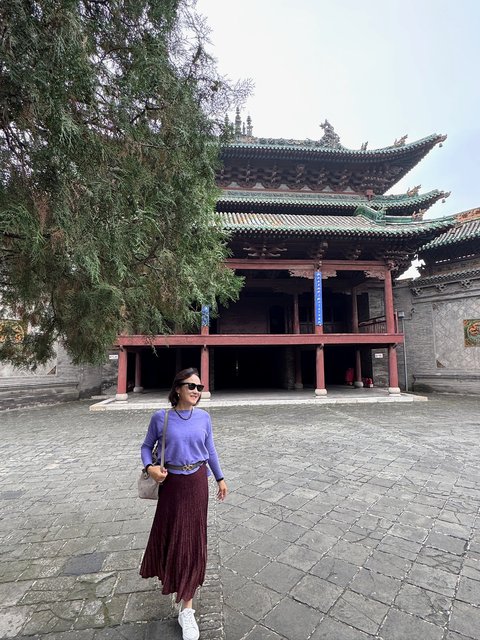
The architecture itself is remarkable, combining gate, stage, altar, and viewing platform into a single multi-level structure. With glazed tiles and layered bracket systems, it creates a rare and visually striking design.

Xian God Temple 袄神庙_compressed

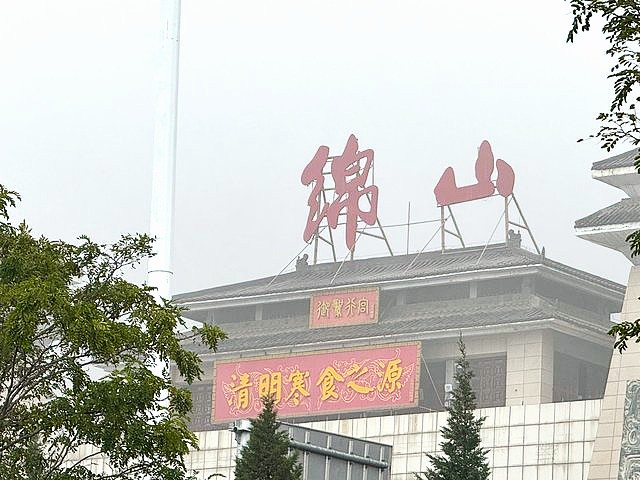
We then headed to Mianshan.

Here lies the story of Jie Zitui, who cut flesh from his own leg to save his lord. When he later refused rewards, he died in a fire set to force him out of hiding. This tragedy led to the Cold Food Festival, later evolving into Qingming Festival.

Unfortunately, it rained again, and we could only take photos at the foot of the mountain.

Mianshan 绵山_

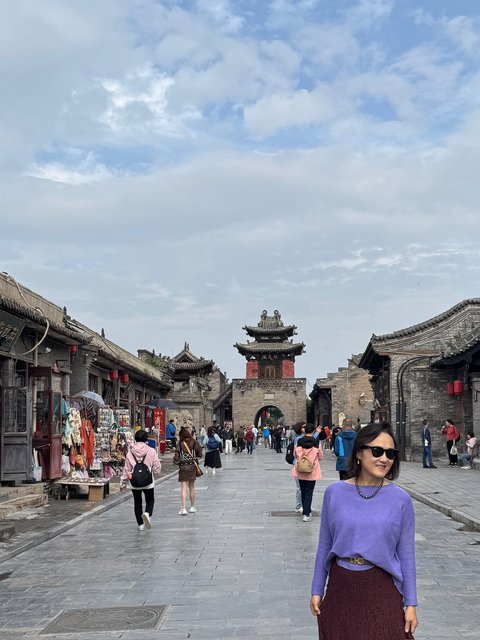
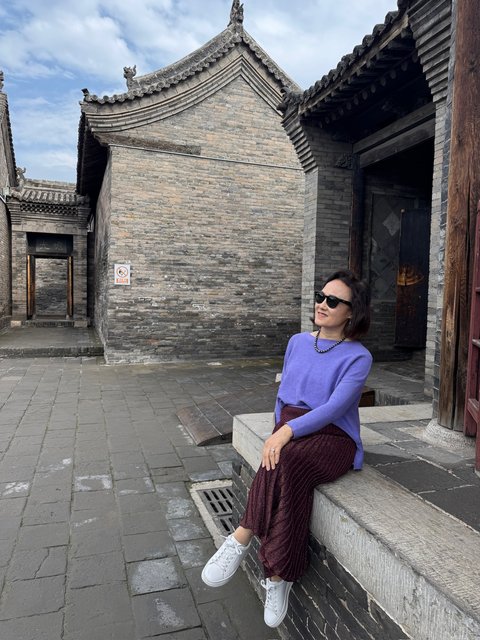
After returning to the hotel and waiting for the rain to stop, we resumed exploring Pingyao Ancient City.

Pingyao Ancient City 平遥古城

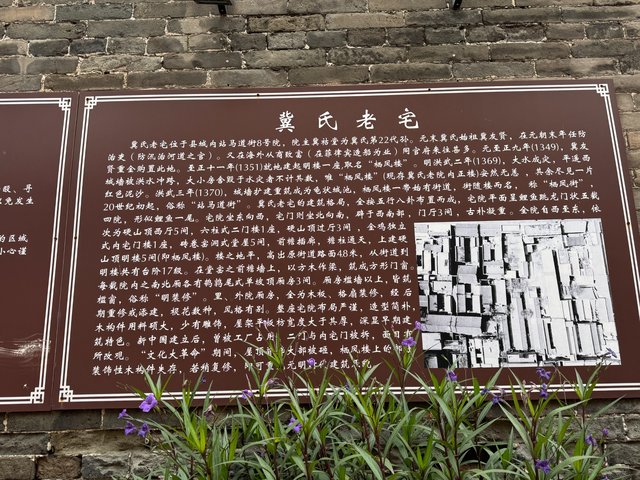
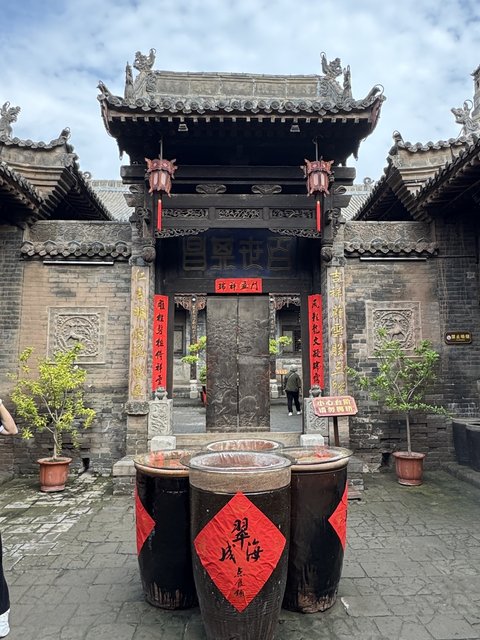
We visited the Ji Family Residence, where a descendant warmly guided us through the house and introduced family history. We even tasted local vinegar products, including a unique vinegar paste.

Ji Family Residence 冀氏老宅

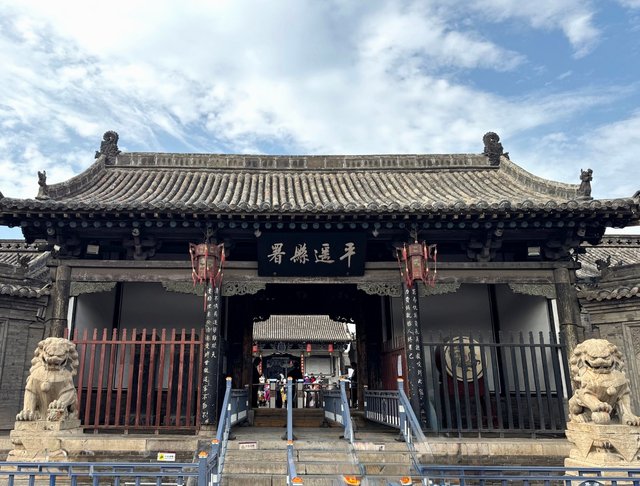
Next, we explored the county government office, where courtrooms, prisons, and gardens are well preserved, resembling scenes from historical dramas.

Pingyao County Office 平遥县衙

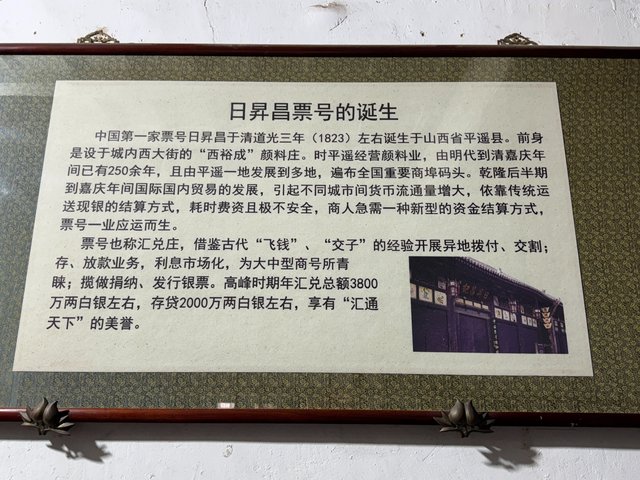
Finally, we visited Rishengchang Draft Bank, the first draft bank in China. Its name cleverly reads the same forward and backward.

The founder, originally a salt merchant, pioneered a system allowing customers to deposit silver in one city and withdraw it in another, earning commissions that soon exceeded his original business.

Rishengchang Bank 日昇昌票号

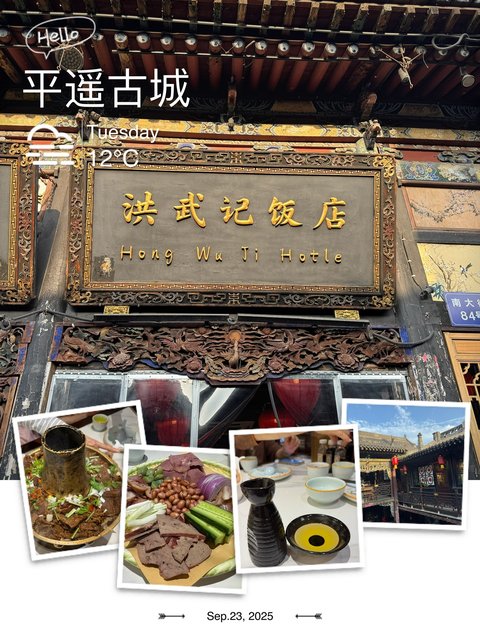
For dinner, we tried a traditional copper hotpot. When we left, a long line had already formed outside.

As night fell and lanterns lit up the streets, we concluded our two-day exploration of Pingyao.

Dinner at Hong Wu Ji 洪武记晚餐

📍 Travel Logistics

🛏️ Accommodation: Hampton by Hilton Pingyao Ancient City

🚗 Transportation: Rental Car

📥Planning a similar trip? Download your free itinerary below. 🧭

Leave a Reply