You are currently viewing Shanxi Travel Journal Day 5: Shuozhou – Wannian Ice Cave (Ten-Thousand-Year Ice Cave)
Shuozhou – Wannian Ice Cave 万年冰洞

Shanxi Travel Journal Day 5: Shuozhou – Wannian Ice Cave (Ten-Thousand-Year Ice Cave)

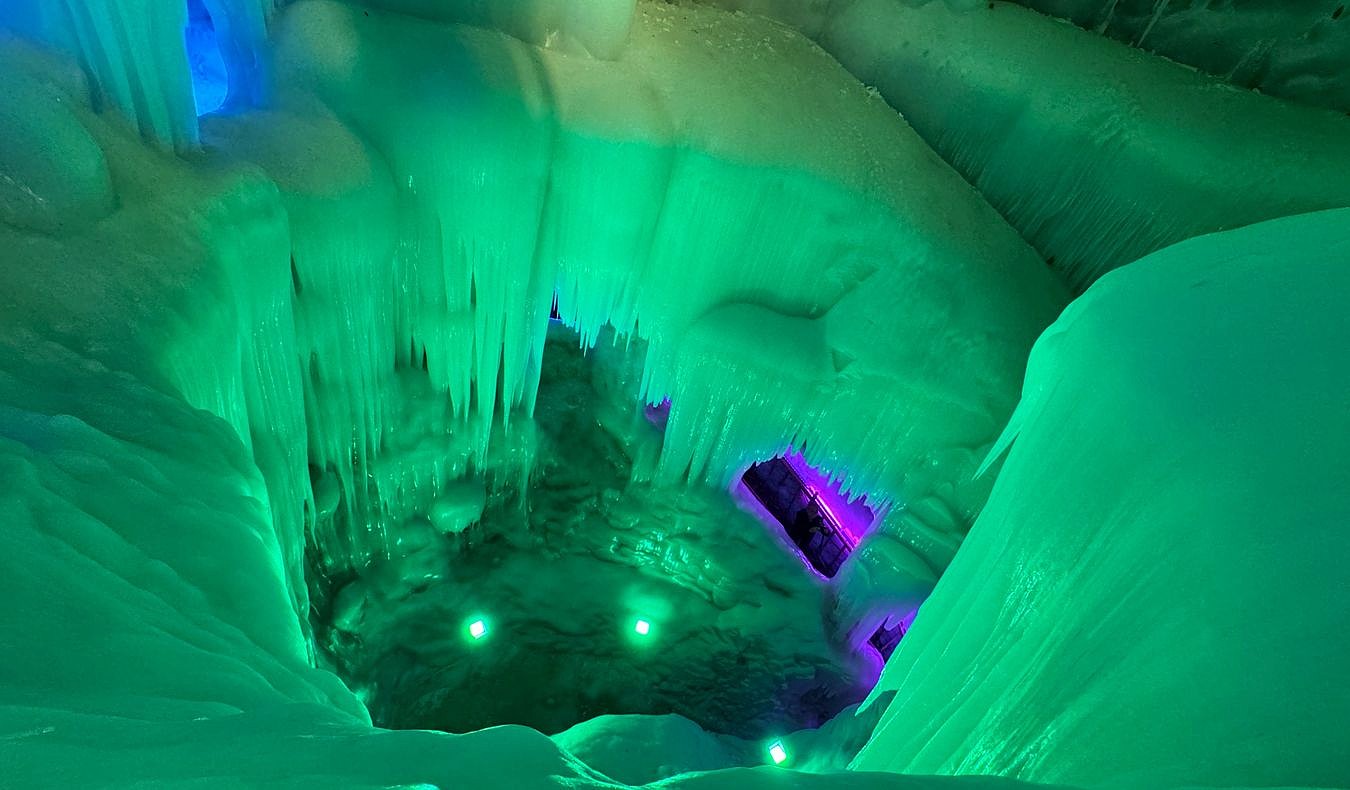
No matter how hot it gets above ground through the seasons, the Wannian Ice Cave in Ningwu County, Shuozhou, remains frozen all year round.

Shuozhou – Wannian Ice Cave 朔州万年冰洞

It formed about three million years ago during the Quaternary glacial period. Thanks to unique climatic and geological conditions, along with thick layers of limestone and volcanic rock, it has been preserved as a natural wonder until today.

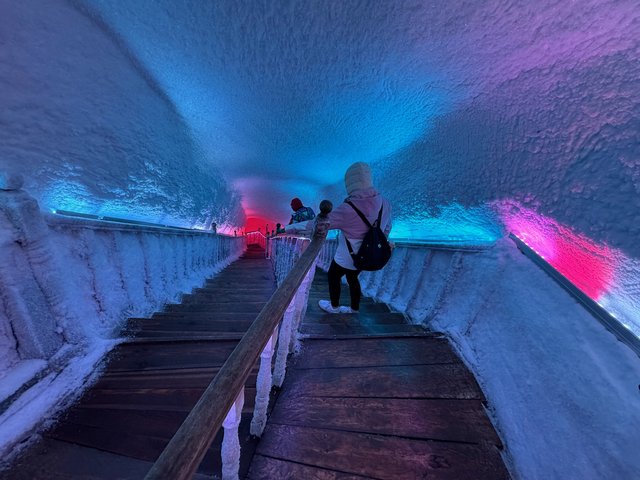
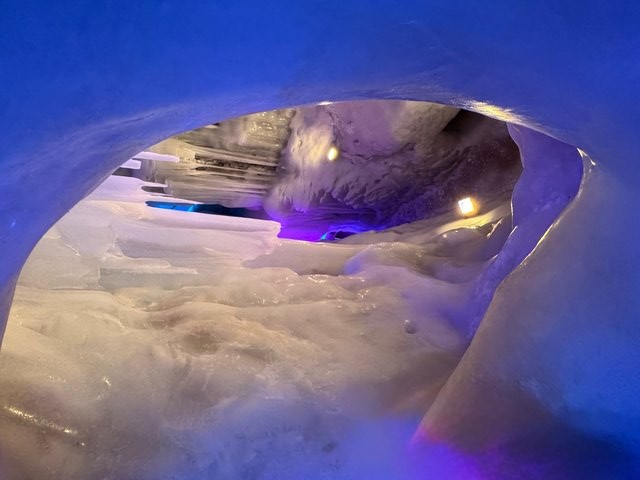
The cave maintains a constant temperature of around –4°C, so we came prepared with heavy sweaters and down jackets. After descending more than a hundred steps to the cave floor, the journey down felt somewhat underwhelming, with little to see along the way.

Shuozhou – Wannian Ice Cave 朔州万年冰洞

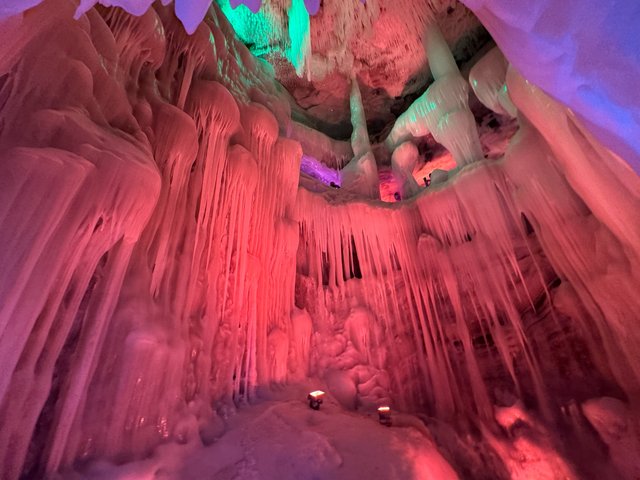
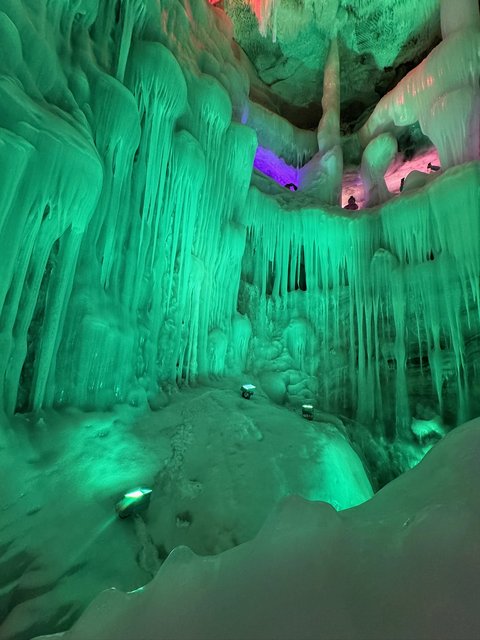
However, the return trip revealed a completely different world. Instead of ordinary stalactites, the cave presents a stunning landscape of ice formations—towering ice columns, hanging ice curtains, delicate ice flowers, and cascading ice waterfalls. Illuminated by cool-toned lights, everything sparkles like a fairytale kingdom.

Shuozhou – Wannian Ice Cave 朔州万年冰洞

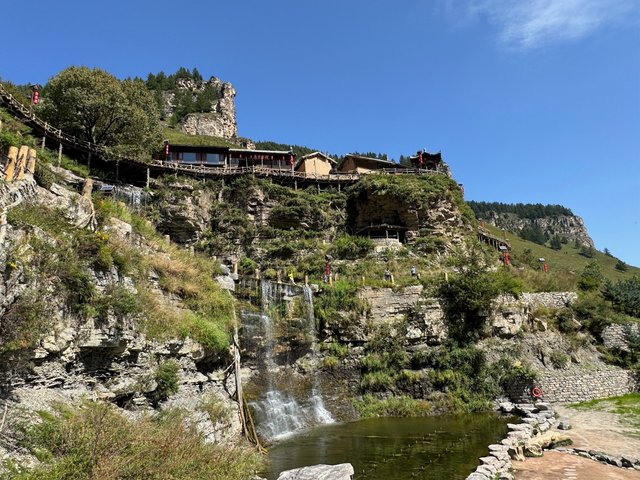
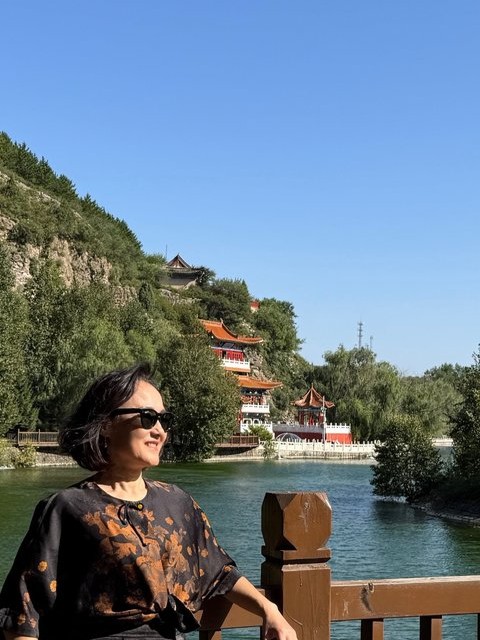
Our next stop – hanging village. This small settlement, with around twenty households, is built halfway up the mountainside. A short walk uphill from the parking area brings you to a series of graceful waterfalls, small yet refreshing.

Shuozhou – Hanging Village Shuozhou – Hanging Village朔州悬空村

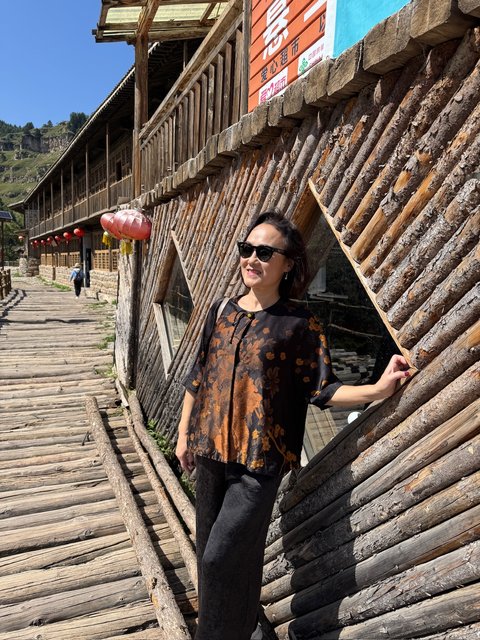
Continuing upward, we reached the village. Wooden planks form the walkways, extending out from the mountain and supported by vertical wooden pillars. The houses are also constructed from timber, creating a rustic and harmonious atmosphere that blends seamlessly with the natural surroundings.

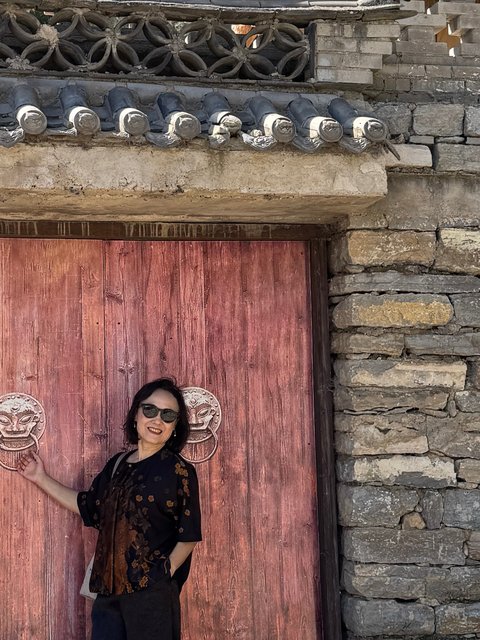
Shuozhou – Hanging Village Shuozhou – Hanging Village朔州悬空村

With mountains, water, and forests, this is indeed an ideal place for retreat and quiet living. Curious about why people settled here, we learned from local records that during the late Ming Dynasty, as rebel forces led by Li Zicheng approached, the Chongzhen Emperor dispersed his children. The fourth prince fled to Ningwu, became a monk, and his followers settled on the mountainside, forming this unique village.

Shuozhou – Hanging Village Shuozhou – Hanging Village朔州悬空村

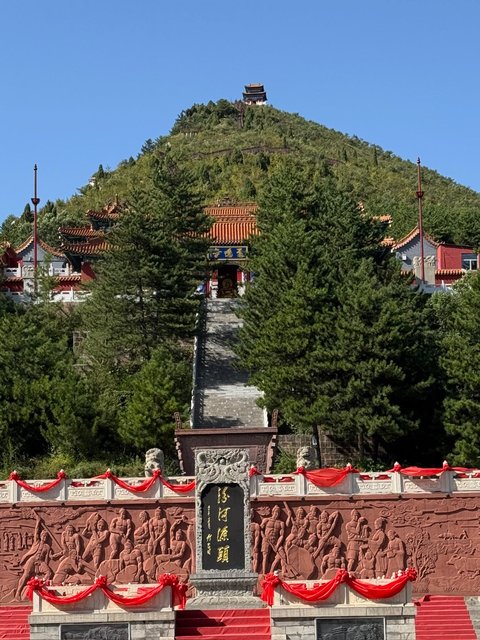
The Fen River, known as the “Mother River of Shanxi,” flows from north to south across the province and eventually joins the Yellow River. The famous Chinese liquor Fenjiu is produced in the Fen River basin, particularly in Xinghuacun, Fenyang.

Today, we visited its source. Following a staff recommendation, we stopped at Fenyuan Pavilion to taste the clear and refreshing spring water. According to staff, the water here never freezes throughout the year.

Shuozhou – the source of Fen River Shuozhou – Hanging Village悬朔汾河源头
Shuozhou – the source of Fen River 朔州汾河源头

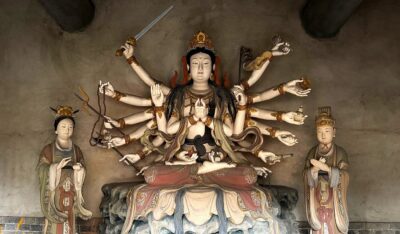
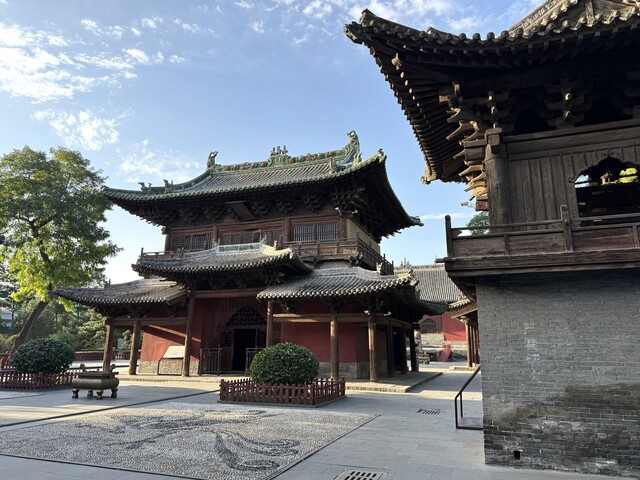
Our final stop was Chongfu Temple Shuozhou. Originally built in 665 during the Tang Dynasty and later rebuilt in 984 during the Liao Dynasty, its main structures—especially the Mahavira Hall—date from the Liao period.

Chongfu Temple Shuozhou 朔州崇福寺

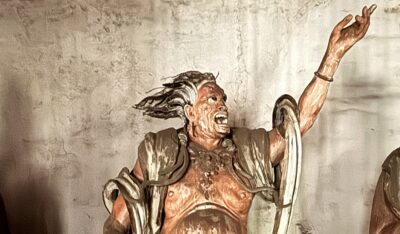
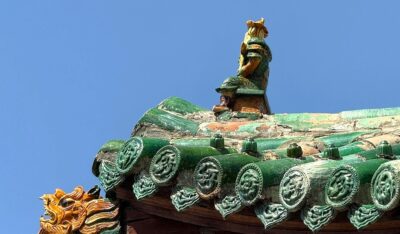
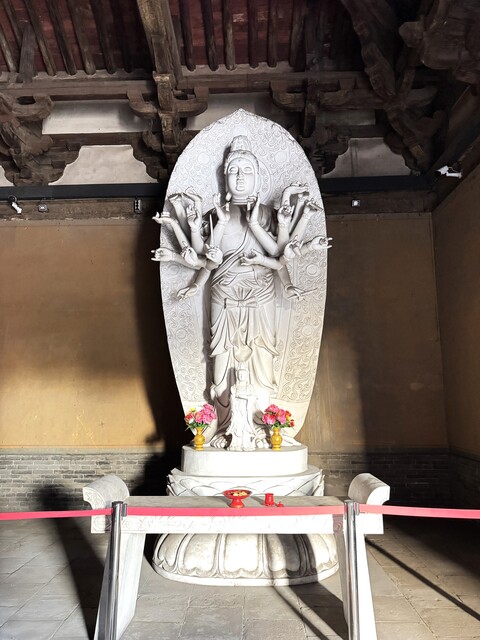
The temple preserves colorful murals and wooden Buddha statues from the Yuan and Ming dynasties, and even after more than a thousand years, the glazed roof tiles still shine brilliantly.

Chongfu Temple Shuozhou 朔州崇福寺

We had planned to visit the Mayi Museum, but unfortunately found it closed for renovation upon arrival.

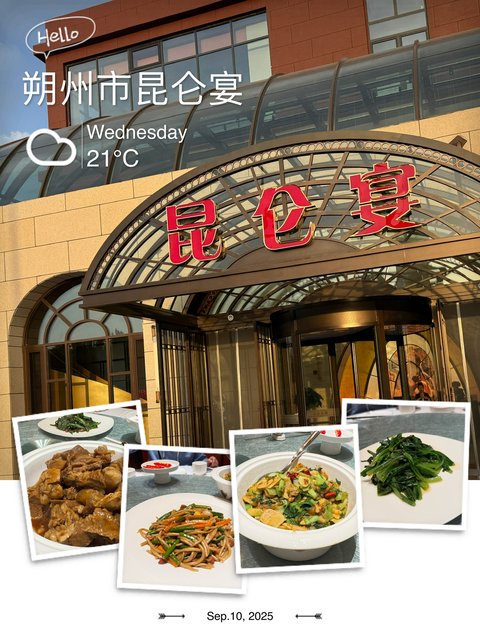
For dinner, we chose the newly opened Kunlun Banquet. The restaurant features grand decor and excellent dishes, and we were pleasantly surprised to receive a 20% opening discount at checkout 😀

Dinner at Kunlun Banquet 在昆仑宴晚餐

📍 Travel Logistics

🛏️ Accommodation: Hampton Inn by Hilton Shuozhou

🚗 Transportation: Rental Car

📥Planning a similar trip? Download your free itinerary below. 🧭

Leave a Reply