Today we drove back to Datong and then flew home.
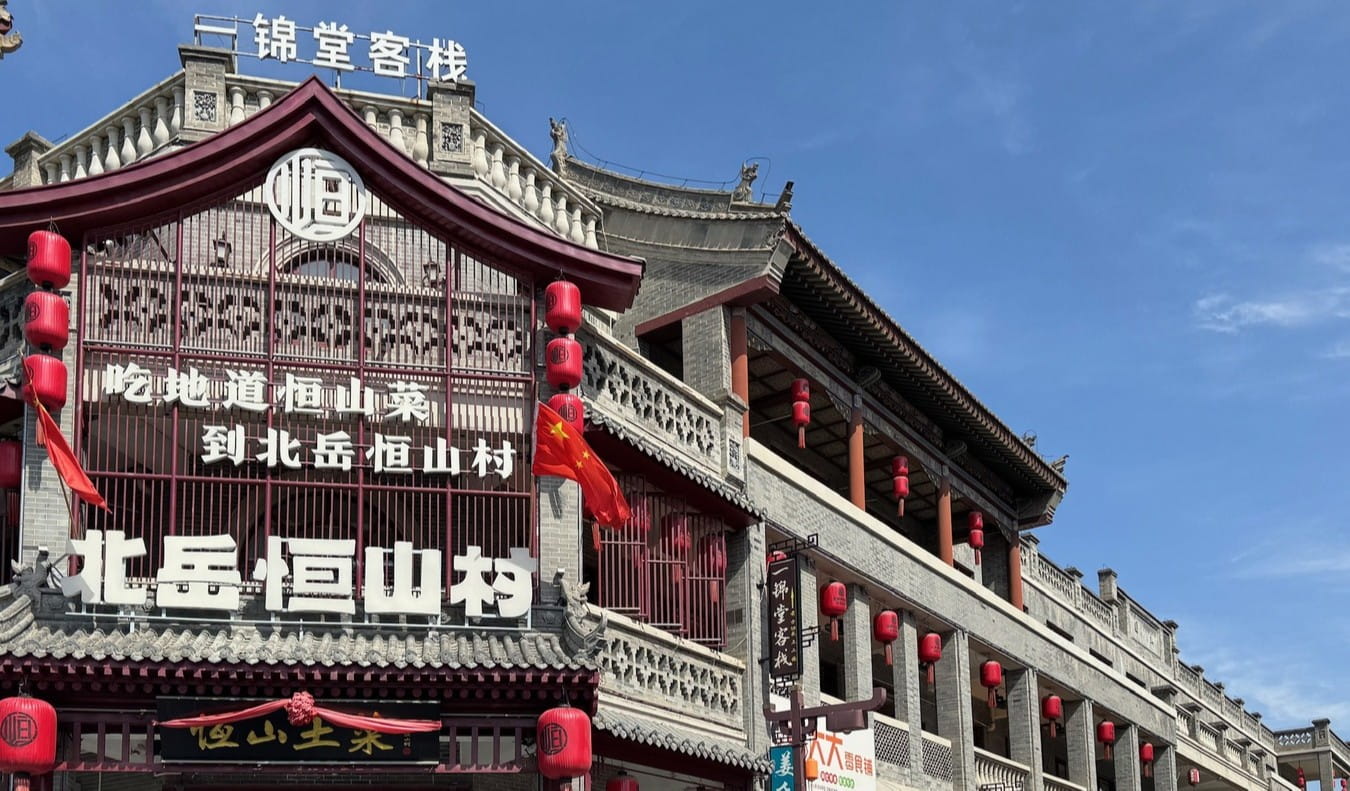
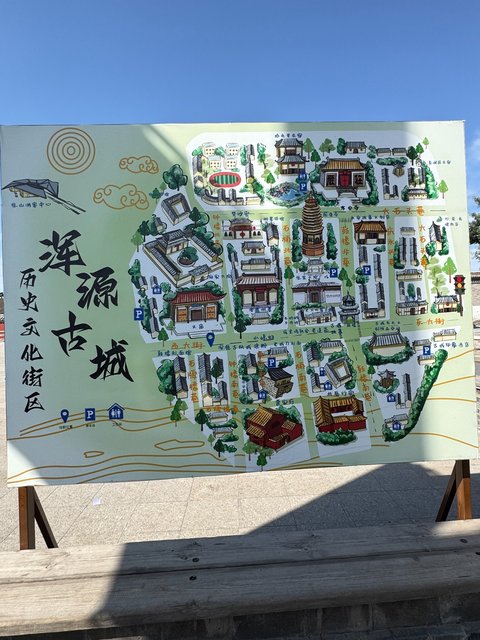
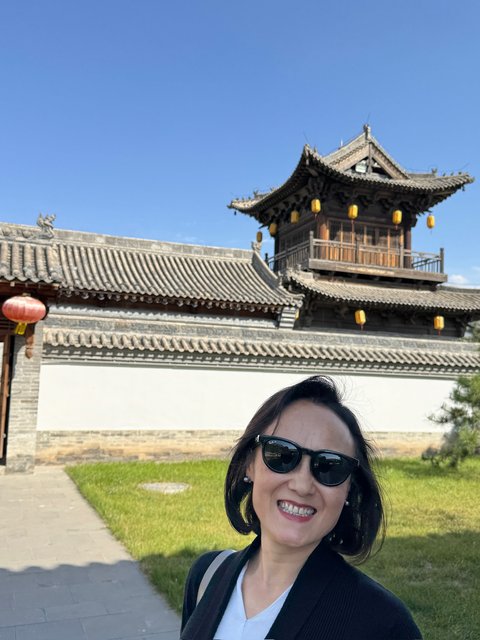
On the way, we stopped to explore Hunyuan Ancient City. The city has a circumference of about seven kilometers and dates back to the Warring States period, when it belonged to the State of Zhao.
Located along an important mountain pass, it historically served both military defense and commercial exchange, making it a strategic and economic hub.
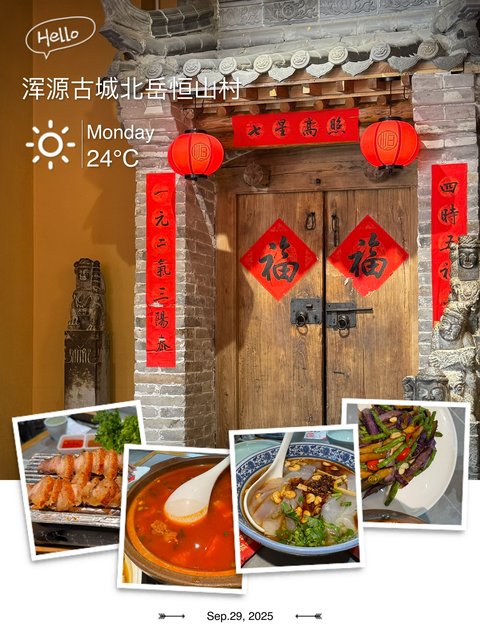
For lunch, we chose a restaurant near Mount Heng, and unexpectedly had to wait in line.
We finally tried the famous Hunyuan cold jelly, which is commonly seen across many cities in China.
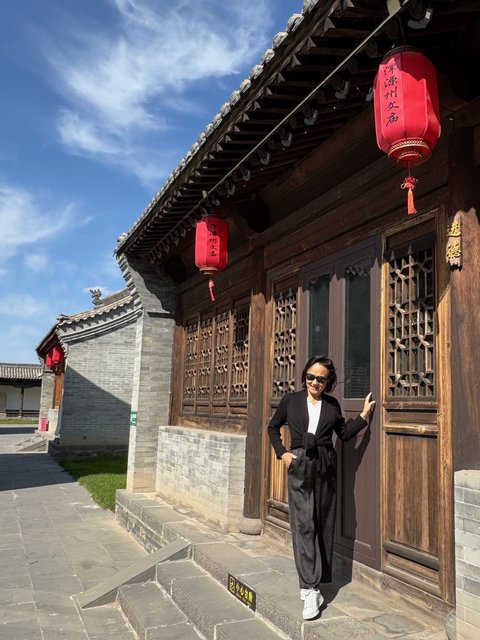
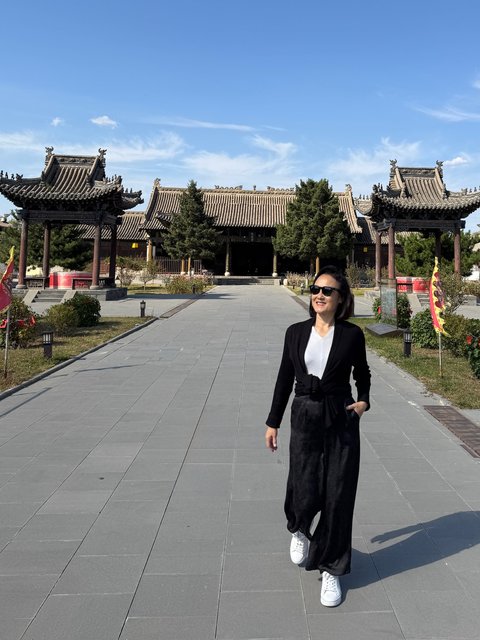
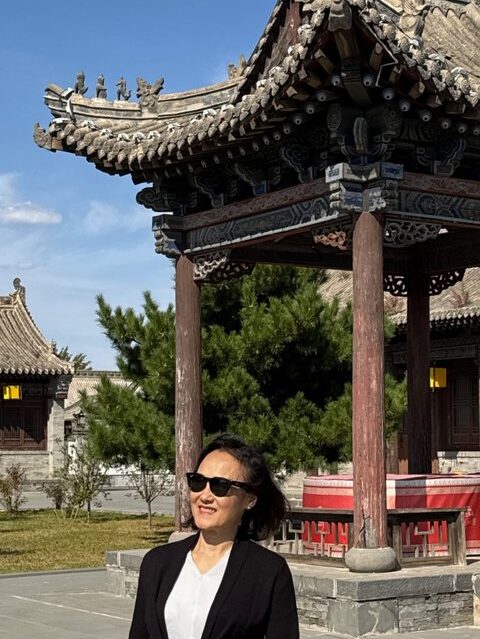
After lunch, we strolled through the ancient city.
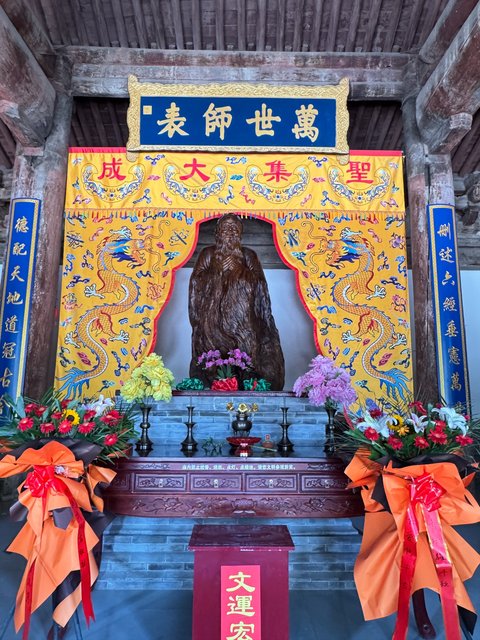
Our first stop was the Confucian Temple, originally built during the Yuan Dynasty and later expanded in the Ming and Qing periods. It functioned not only as a place of worship for Confucius but also as a county school, leaving behind many imperial examination steles.
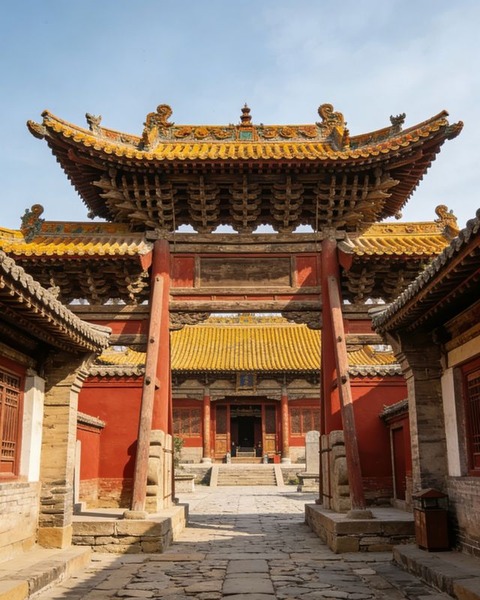
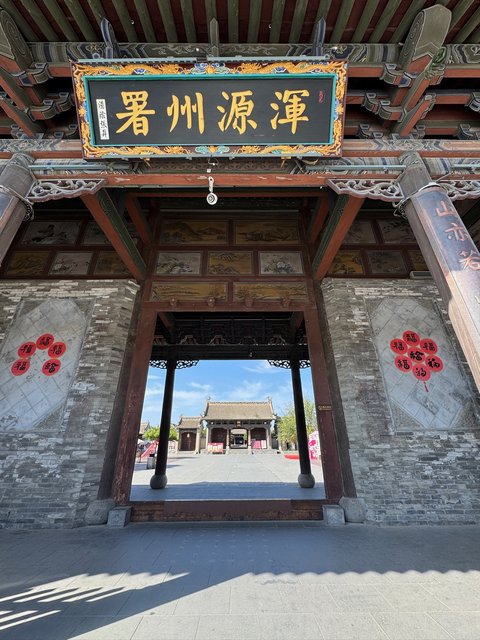
Next, we visited the Hunyuan Prefecture Office, the administrative center during the Ming and Qing Dynasties.
The complex is grand, featuring ceremonial gates and court halls. The main hall, marked by the plaque “Upright Judgment,” was where officials heard cases, symbolized by the drum used for petitions.
Inner halls served as offices and living quarters, reflecting traditional northern official architecture.
As time ran short, we headed to the airport, concluding our 24-day journey through Shanxi.
Before visiting Shanxi, I had seen ancient temples in Japan and wondered if similar structures still existed in China. Shanxi answered that question—not only do they exist, but they are more numerous and even older.
Shanxi truly feels like a museum of ancient architecture, with temples and religious sites forming the majority. This journey became not only a historical exploration but also a cultural immersion in Buddhism and Taoism.
The grand merchant courtyards are another highlight, ranging from modest homes to vast estates, reflecting the prosperity and legacy of Jin merchants across generations.
Shanxi’s ancient cities also reshaped my expectations. Unlike the delicate southern towns with canals and pavilions, these northern cities impress with massive walls and strong, imposing structures.
As for food, I had worried it would be all noodles, but discovered a rich variety of dishes. The millet jujube cake was especially memorable.
The fruits were also surprising—pears, apples, dates, and even small persimmon-like fruits were fresh and delicious.
Planning a similar trip? Download your free itinerary below.