Today we drove to visit sites outside Mount Wutai. Before leaving, we registered at the “re-entry checkpoint,” where staff recorded a short video confirming our departure time and explained that tickets remain valid if we return within 24 hours.
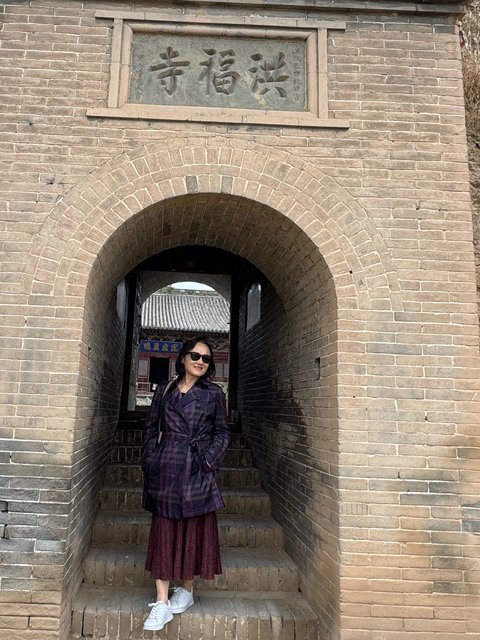
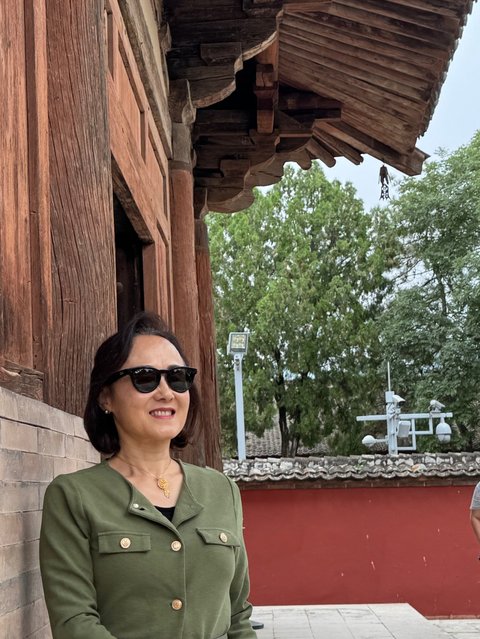
Our first stop was a lesser-known site, Hongfu Temple. After driving through remote mountain roads, we arrived at a very plain-looking temple with almost no decoration.
Today we drove to visit sites outside Mount Wutai. Before leaving, we registered at the “re-entry checkpoint,” where staff recorded a short video confirming our departure time and explained that tickets remain valid if we return within 24 hours.
Our first stop was a lesser-known site, Hongfu Temple. After driving through remote mountain roads, we arrived at a very plain-looking temple with almost no decoration.
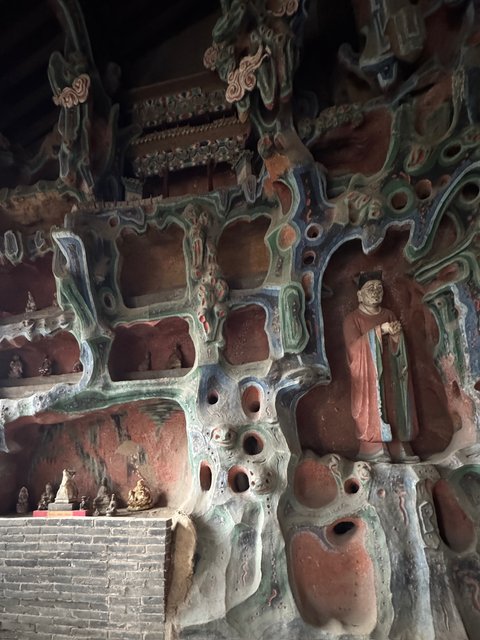
Inside, we climbed steps to the main hall, where Guanyin sits at the center, flanked by Manjushri and Samantabhadra. The temple houses Song Dynasty sculptures as well as Ming Dynasty statues and hanging sculptures.
The temple is cared for by a couple who warmly explained its history and features, clearly passionate about sharing its story with visitors.
On the way to the next site, we saw a large orchard of pear trees. Workers were harvesting, and soon we found a roadside vendor selling pears at a very low price.
Next, we visited Nanchan Temple, built in 627 during the Tang Dynasty. It is the oldest surviving wooden structure in China.
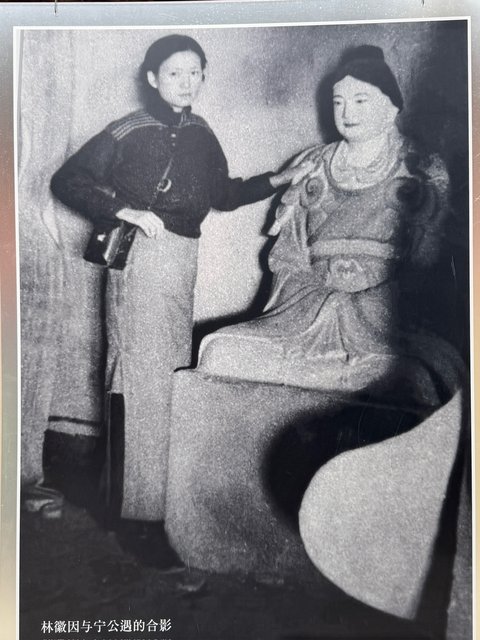
In 1937, Liang Sicheng and Lin Huiyin discovered this temple, overturning the belief that no Tang wooden buildings had survived.
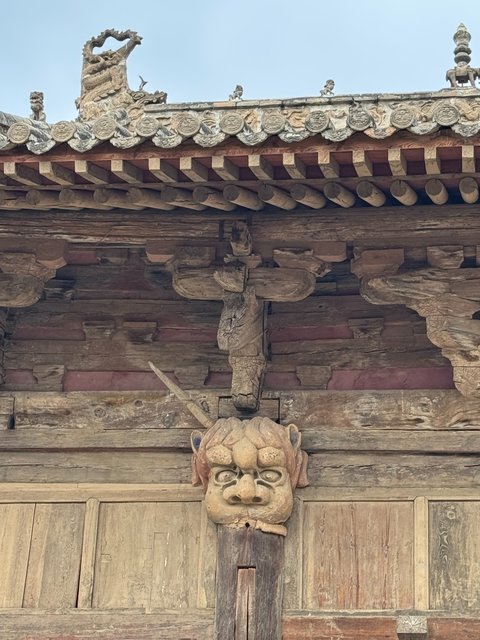
We then visited Yanqing Temple, where the main hall dates back to the Liao-Jin period. Wooden columns with carved lion heads showcase exquisite craftsmanship.
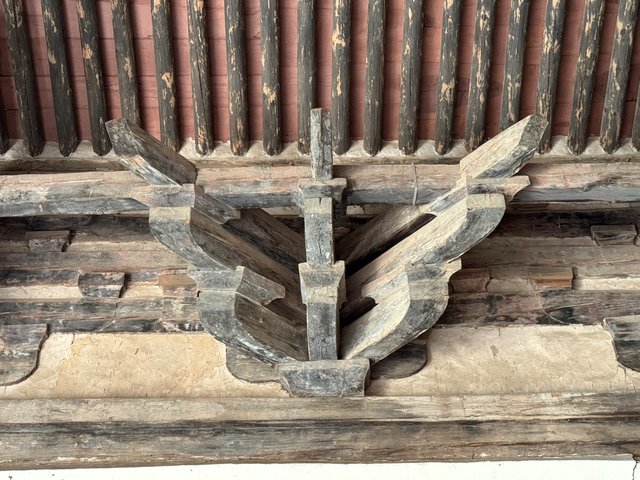
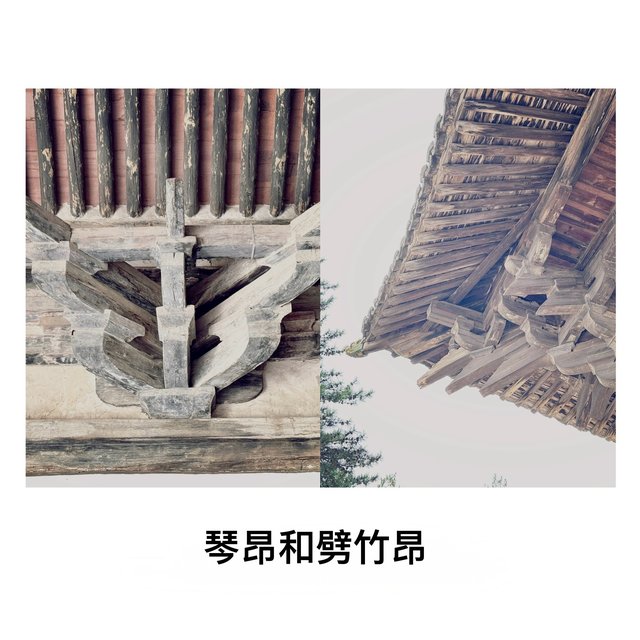
Here, I also gained a deeper understanding of dougong. I overheard one visitor explaining to another that the “ang” here is called qin ang, because it resembles piano keys. In contrast, the one at Foguang Temple is called pizhu ang, as it looks like split bamboo and appears more robust.
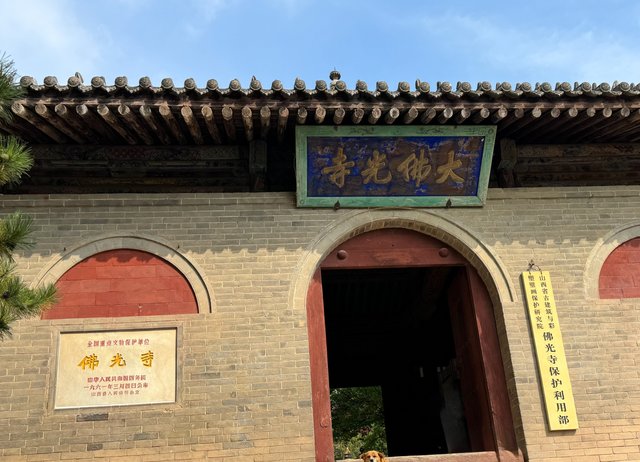
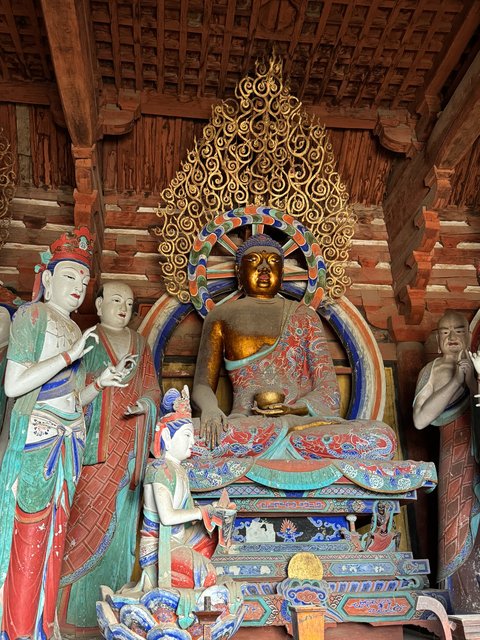
Continuing on, we arrived at Foguang Temple. Though built slightly later than Nanchan Temple, it is much larger in scale.
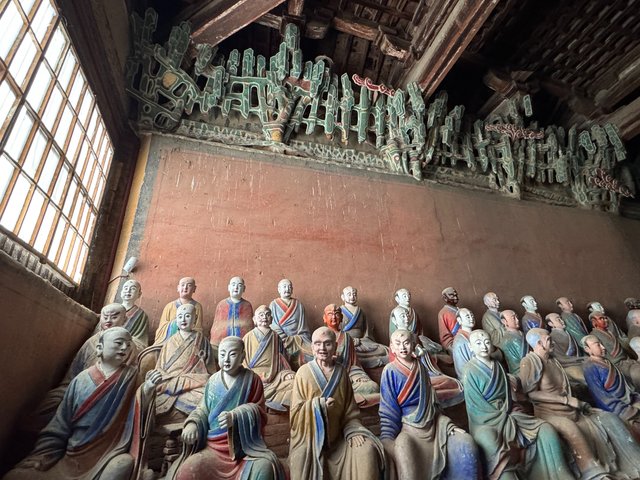
The East Hall, constructed in 857, is the largest surviving Tang wooden structure. Inside are 34 Tang Dynasty sculptures, with graceful forms and flowing drapery.
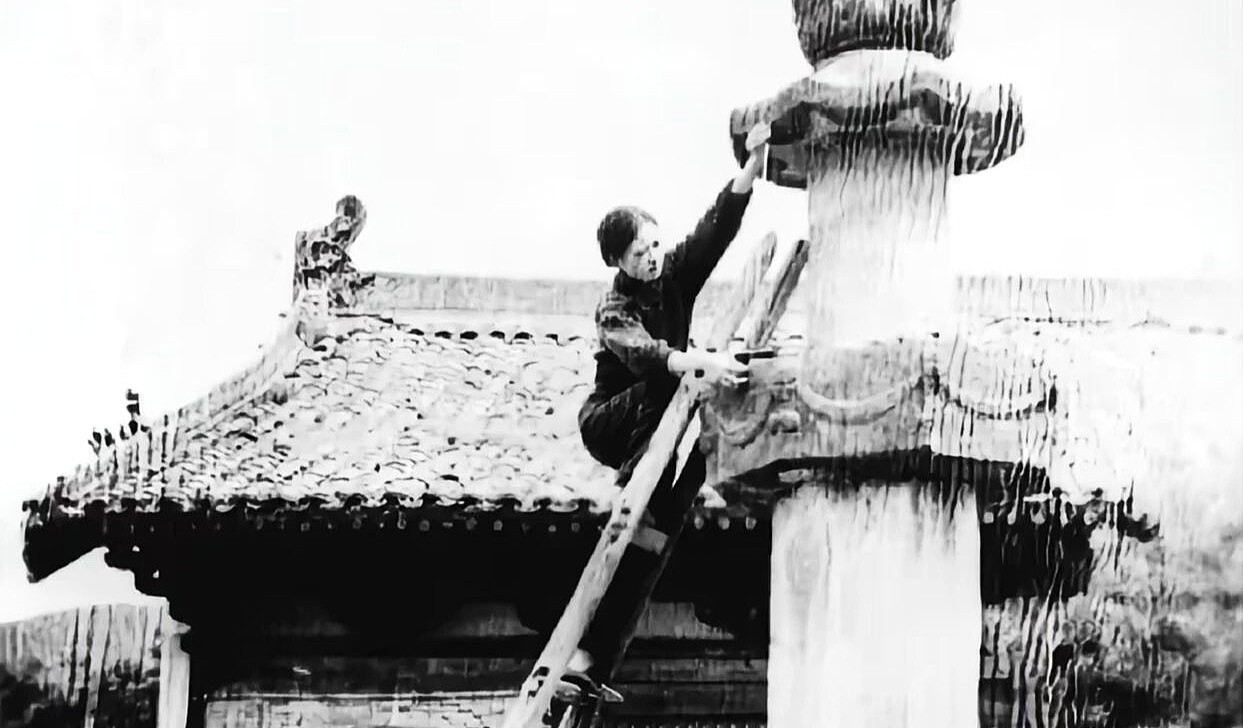
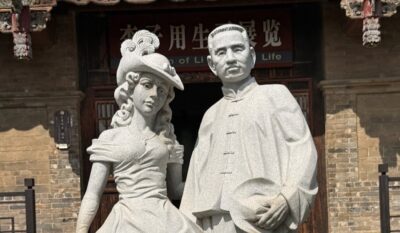
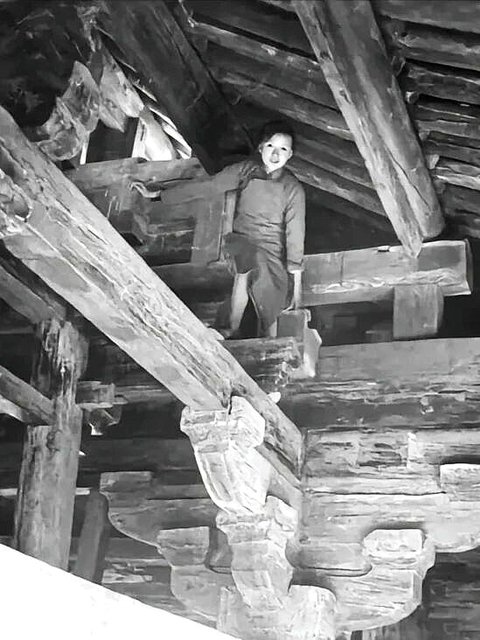
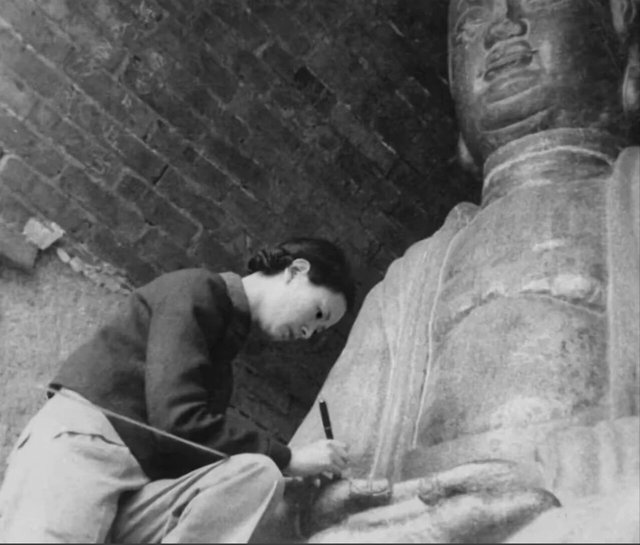
Inside the temple, a significant portion is devoted to recreating the scene from 1937, when Liang Sicheng, Lin Huiyin, and others came here for their investigation. When they first arrived, the temple roof was filled with bats. The experts endured the strong smell while carefully searching along the beams for clues. It wasn’t until they turned on their flashlights that the bats finally scattered and flew away.
In ancient times, temples were often built with inscriptions left on the beams. The experts searched for such traces, and suddenly Lin Huiyin pointed to a beam, saying there were characters on it. The next day, they borrowed a ladder from local villagers and were finally able to clearly read the inscription, confirming that the structure dated back to the Tang dynasty.
Because of its architectural style, as well as the preserved Tang-era inscriptions and murals on the beams and walls, the temple was praised by architectural historian Liang Sicheng as “the finest temple under heaven.”
Our final stop was Wuye Temple Mount Wutai.
Long lines stretched far outside the temple. Many pilgrims arrive as early as 5 a.m. and still wait hours, demonstrating remarkable devotion.
Planning a similar trip? Download your free itinerary below.