You are currently viewing Shanxi Travel Journal Day 23: Mount Wutai – Taihuai Town Temple Cluster
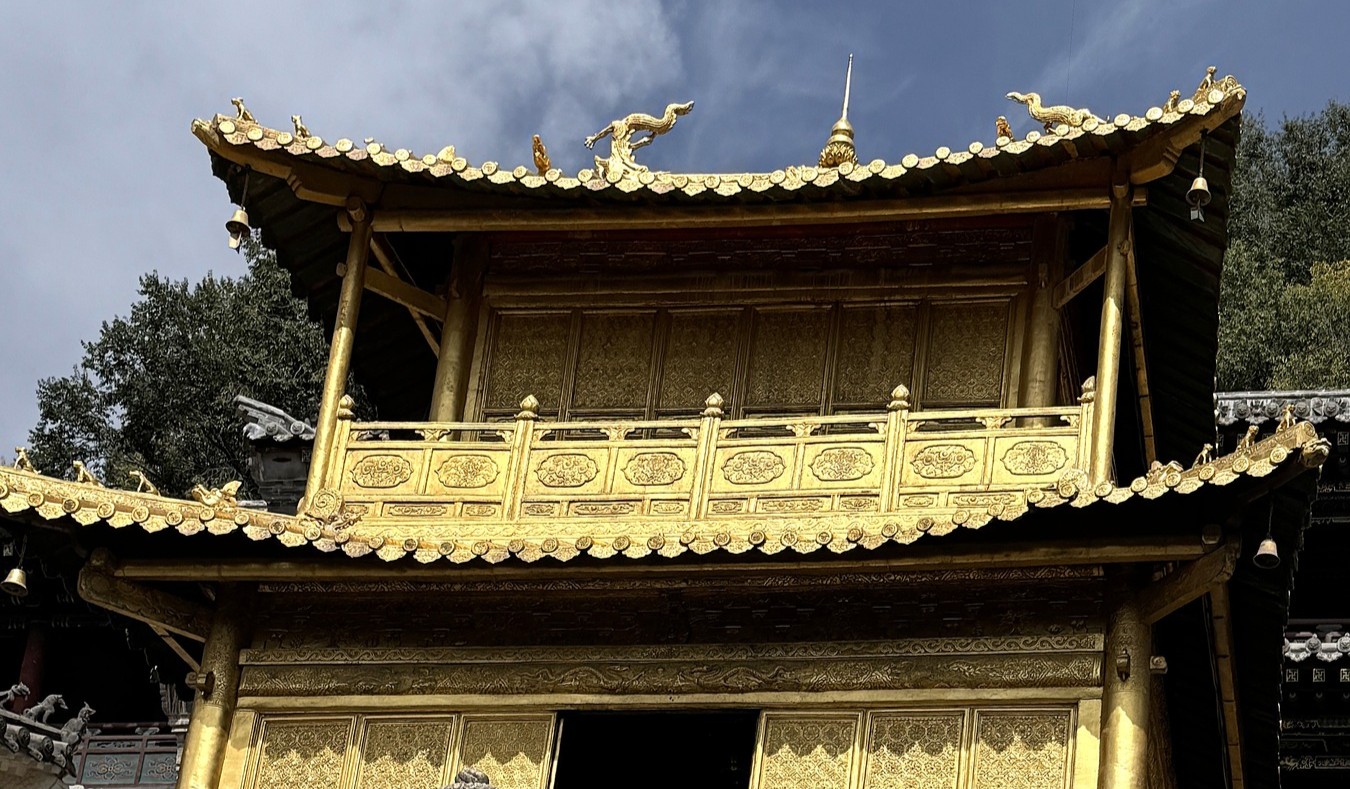
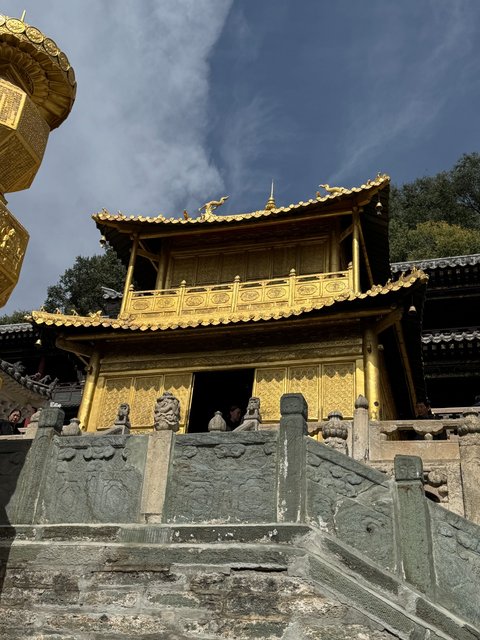
Xiantong Temple Copper Hall 显通寺铜殿

Shanxi Travel Journal Day 23: Mount Wutai – Taihuai Town Temple Cluster

Mount Wutai is one of China’s five major Buddhist sacred sites and ranks first among the Four Sacred Mountains of Chinese Buddhism. It is primarily dedicated to Manjushri Bodhisattva.

Within Mount Wutai lies Taihuai Town, where more than forty temples are concentrated within an area of less than three square kilometers. It can truly be regarded as a “museum of temples.”

Here, I learned an important distinction: temples are divided into “green temples” (Han Chinese Buddhism) and “yellow temples” (Tibetan Buddhism). Mount Wutai uniquely hosts both traditions, reflecting remarkable religious inclusiveness.

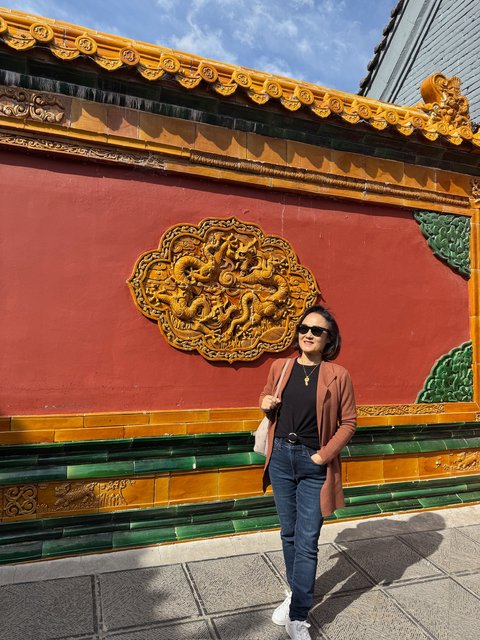
Our first stop was Pusading Temple, the largest and most prestigious Tibetan Buddhist temple on the mountain.

Mount_Wutai_Pusading_Temple_五台山菩萨顶

Originally built during the Yuan Dynasty, it was later expanded under imperial patronage during the Qing Dynasty. Emperors Kangxi and Qianlong visited frequently, elevating its status.

Upon entering, the bright yellow rooftops immediately stood out, marking the distinctive style of Tibetan Buddhist architecture.

Mount_Wutai_Pusading_Temple_五台山菩萨顶

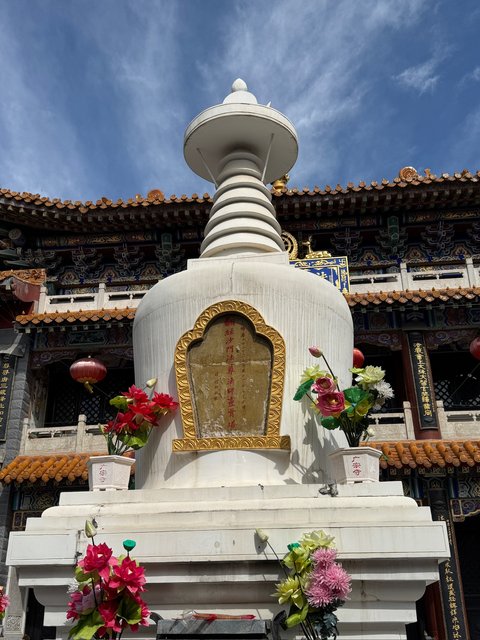
We then visited Guangzong Temple, originally a Han Buddhist temple that was later converted into Tibetan Buddhism during the early Qing period.

The temple houses a white stupa containing the relics of Fazun, a renowned scholar who translated Tibetan Buddhist texts into Chinese. His work played a key role in bridging Han and Tibetan Buddhist traditions.

Guangzong_Temple_Fazun_广宗寺法尊法师

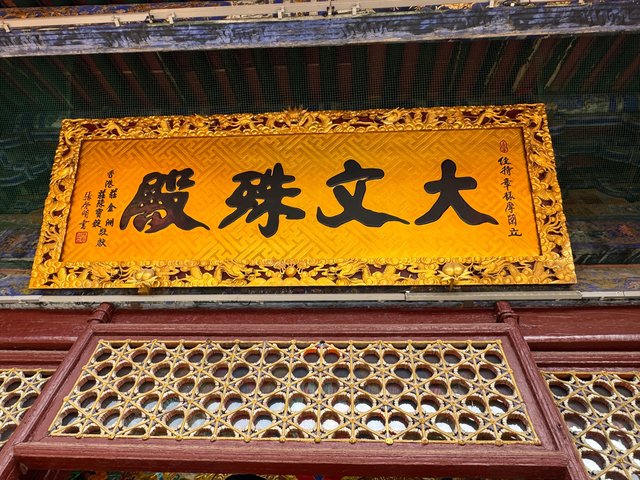
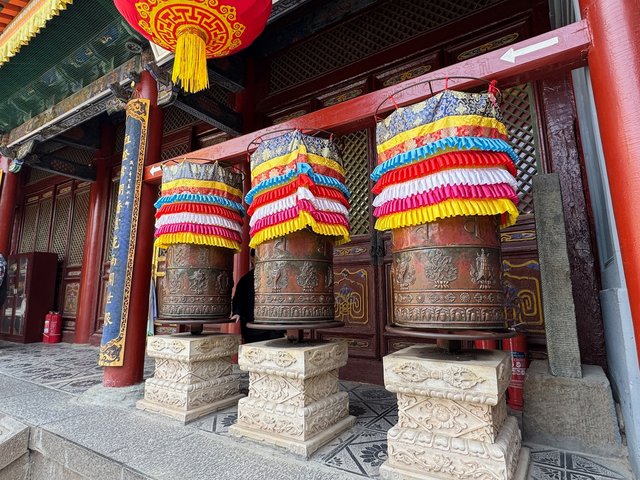
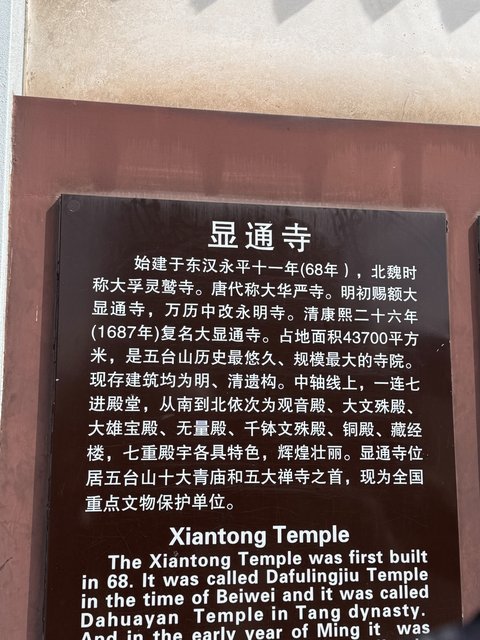
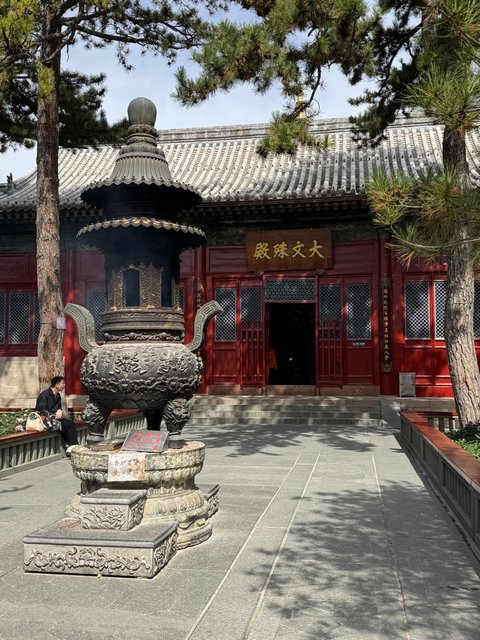
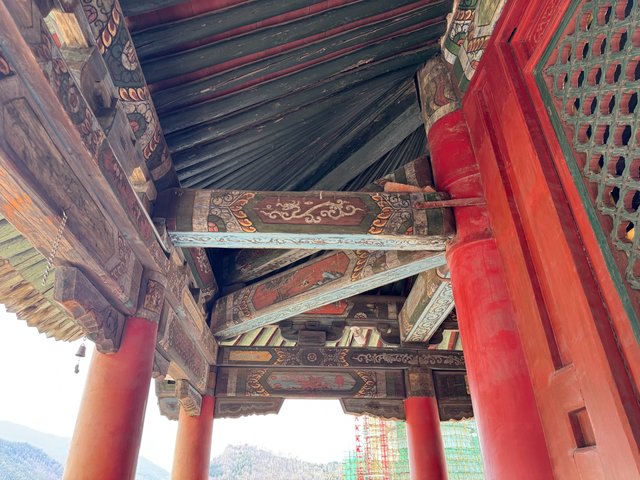
Next, we arrived at Xiantong Temple, one of the oldest and largest Han Buddhist temples on Mount Wutai.

The atmosphere here was deeply spiritual, with continuous streams of pilgrims offering prayers.

Xiantong_Temple_显通寺
Xiantong_Temple_显通寺
Xiantong_Temple_显通寺

The most famous structure is the Copper Hall, an all-bronze building weighing over 50 tons, built during the Ming Dynasty. Inside stands a statue of Empress Dowager Li, surrounded by thousands of bronze Buddha figures.

Xiantong_Temple_Copper_Hall_显通寺铜殿
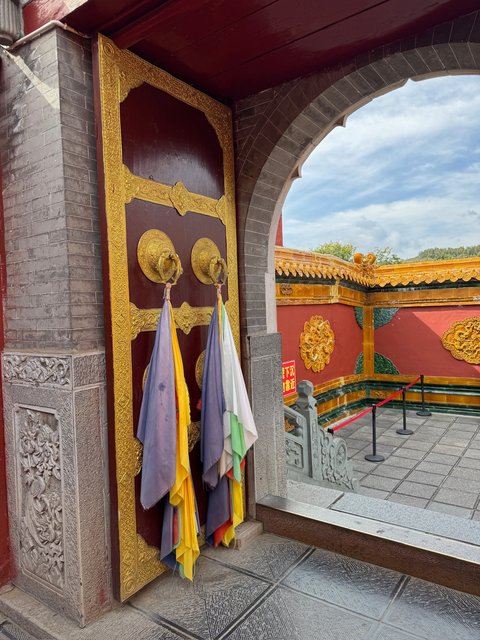
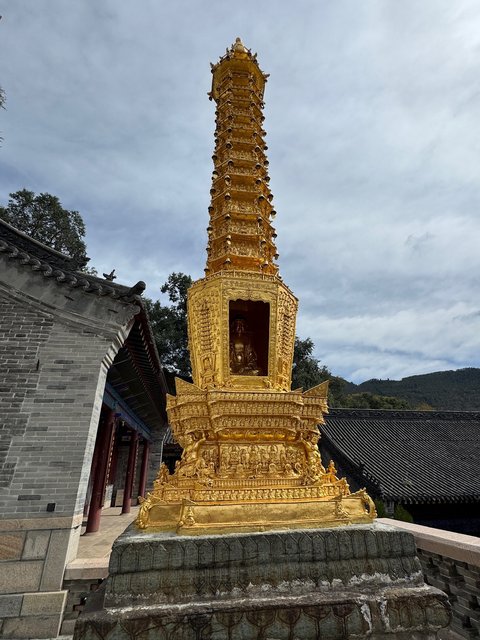
Xiantong_Temple显通寺

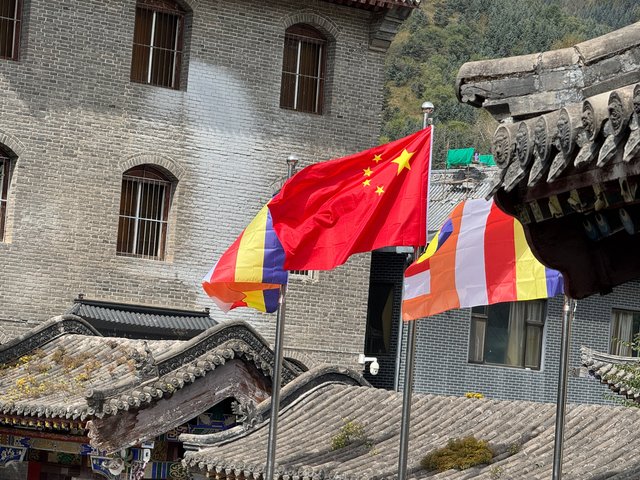
First time seeing a Buddah flag

Xiantong_Temple_显通寺

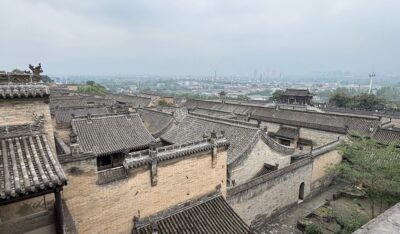
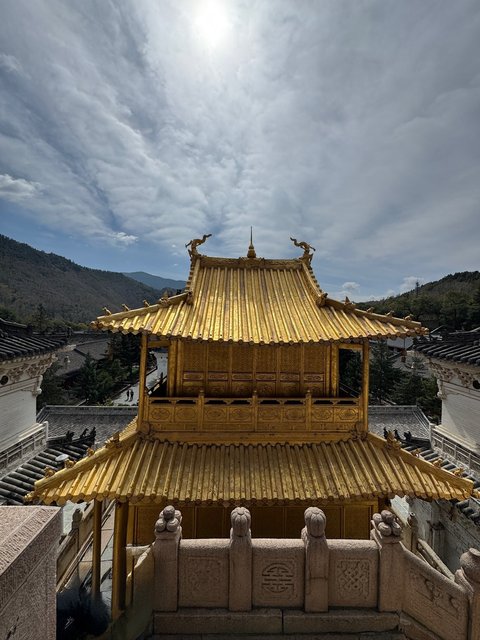
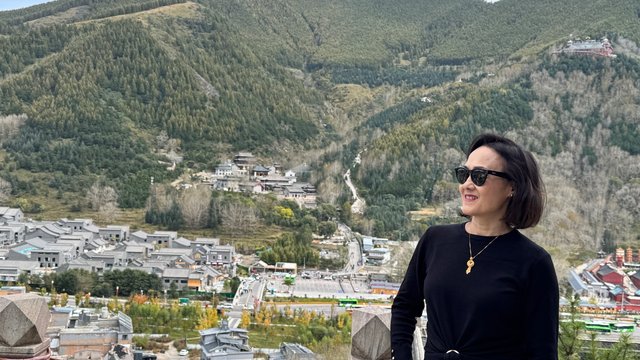
Scenery view from the moutain top. 

Mount_Wutai_Taihuai_temple_cluster_五台山台怀镇寺庙群

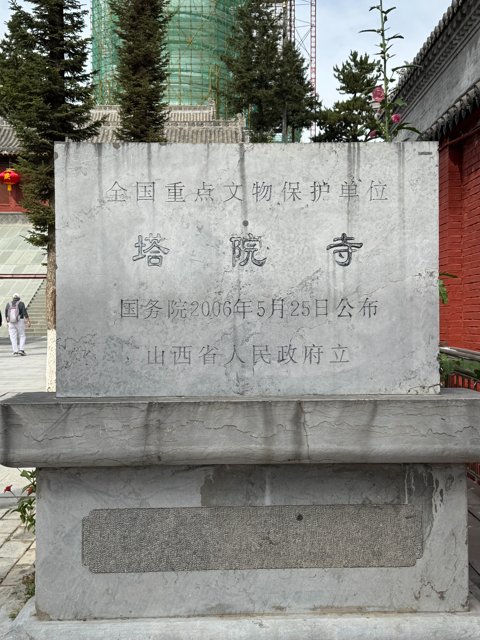
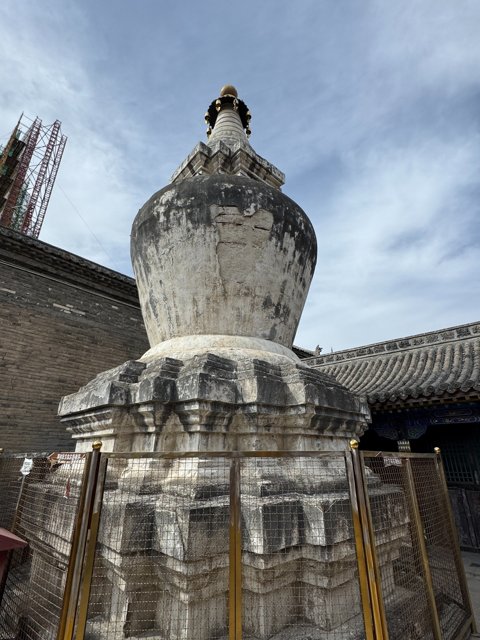
We then visited Tayuan Temple, known for its iconic 75-meter white pagoda.

Designed by the Nepalese architect Araniko, it blends Indian, Nepalese, and Tibetan artistic influences. Unfortunately, it was under restoration during our visit.

Tayuan Temple 塔院寺
Tayuan Temple 塔院寺

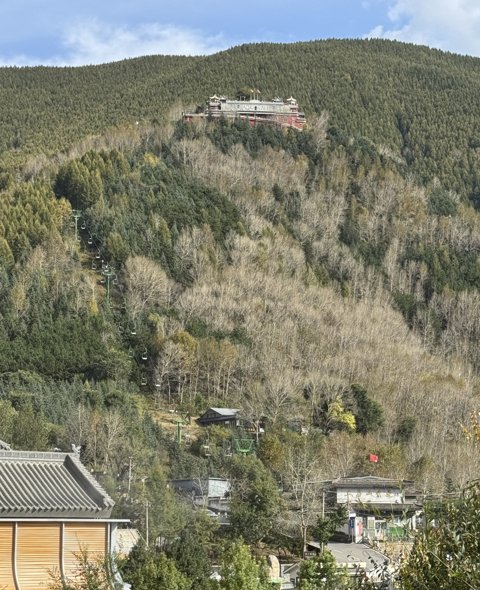
Our final stop was Dailuoding, which traditionally requires climbing 1,080 steps. With the cable car closed, we viewed it from below.

Dailuoding 岱螺顶

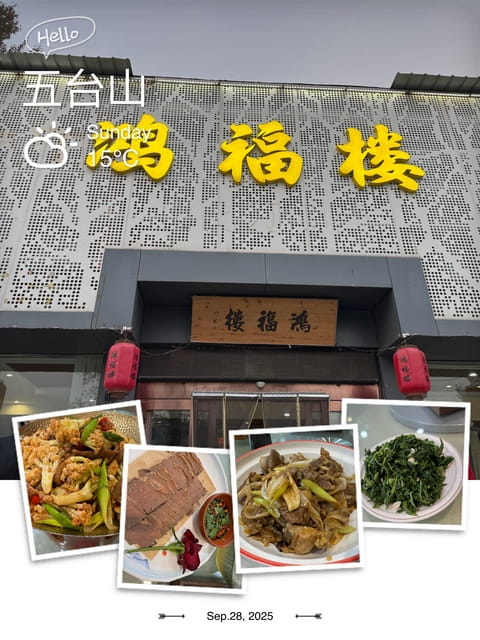
With no more sites to visit before dinner, we returned to the restaurant, borrowed playing cards, and relaxed while waiting.

The lamb dish that evening was especially delicious.

Dinner at HongfuLou 鸿福楼晚餐

📍 Travel Logistics

🛏️ Accommodation: Wutai Mountain Marriott Hotel

🚗 Transportation: Rental Car

📥Planning a similar trip? Download your free itinerary below. 🧭

Leave a Reply