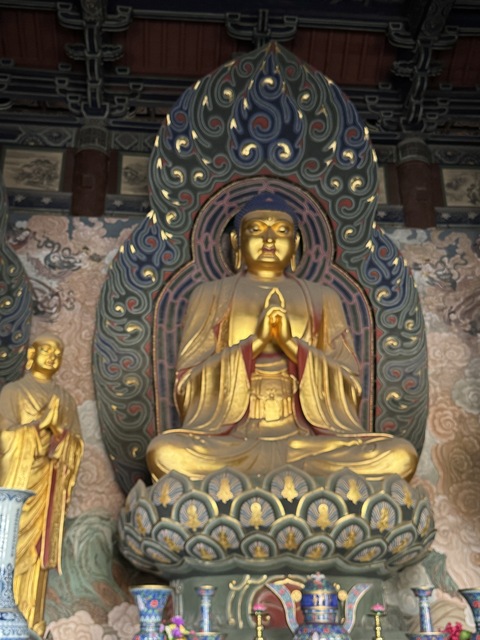
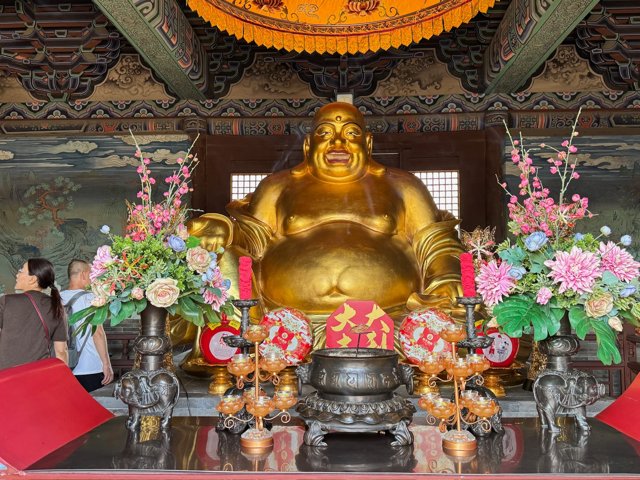
Remember this name: Tanyao. He was the initiator and supervisor of the Yungang Grottoes.
In 446 AD, Emperor Taiwu of Northern Wei ordered a suppression of Buddhism, destroying temples and unsettling society. Later, his grandson Emperor Xiaowen of Northern Wei, following Tanyao’s advice, commissioned large-scale cave carvings on the western outskirts of Datong to revive Buddhism and stabilize the regime.
The Yungang Grottoes is one of China’s three most famous grotto complexes, alongside Mogao Caves and Longmen Grottoes.
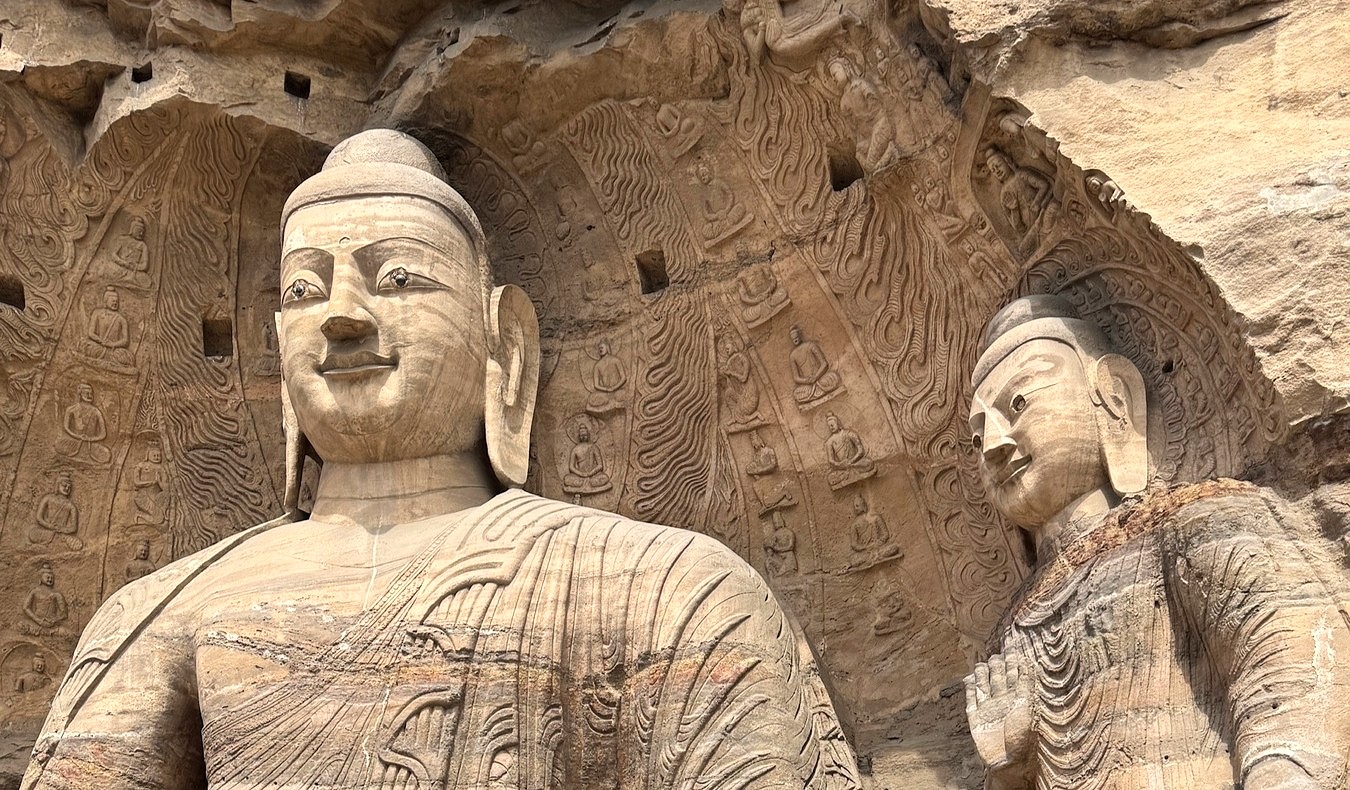
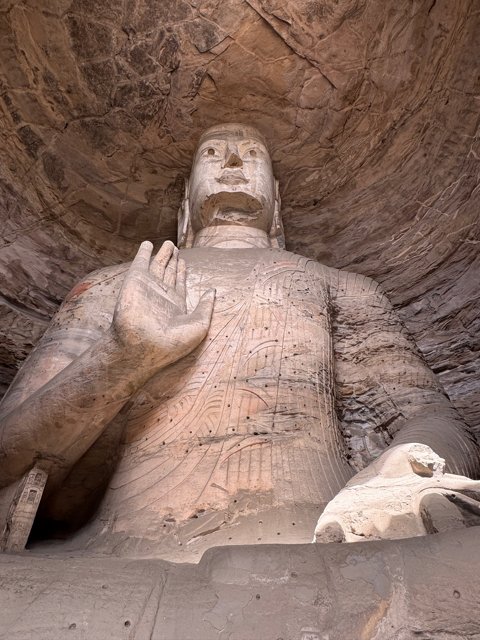
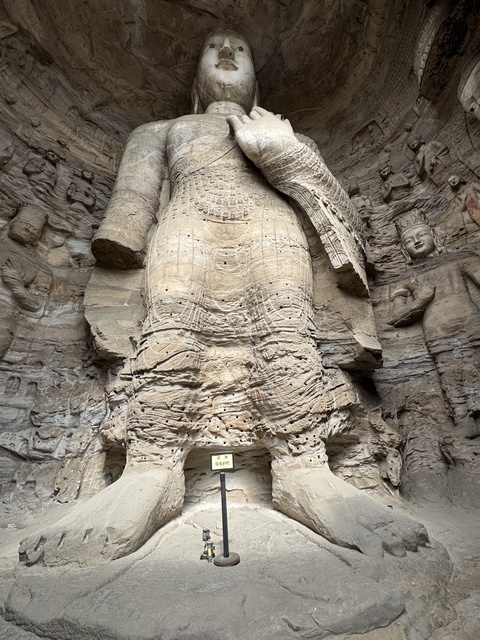
The earliest five caves (Nos. 16–20), known as the Tanyao Five Caves, are believed to represent the first five emperors of Northern Wei, symbolizing the unity of Buddha and imperial authority. Cave 19 houses a 17-meter-tall Buddha, the largest among them. Cave 20, an open-air cave, has endured 1,500 years of wind and rain yet remains solemn and dignified. Cave 16, often regarded as the most representative and resembling a Northern Wei emperor, was unfortunately closed during our visit for data collection.
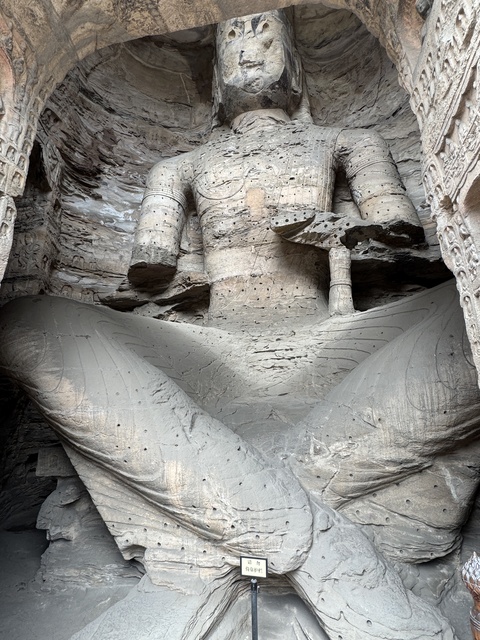
I had always wondered why the statues were covered with small holes. A kind fellow traveler explained that ancient craftsmen once applied a layer of clay over the sculptures to create a smoother, more colorful surface. Wooden pegs were inserted into the stone to help the clay adhere, leaving behind these holes after the clay eroded.
Following the initial five caves, excavation continued in the same area. Today, the site contains 45 major caves, over 250 smaller niches, and more than 50,000 statues.
The largest is Cave 6, about 17 meters high, with two chambers. The front chamber features a large Buddha surrounded by relief carvings depicting Buddhist stories. The rear chamber centers on a pagoda pillar, with walls and surfaces densely covered in carvings, leaving almost no empty space.
Located along a key corridor between the Central Plains and the Western Regions, Yungang art reflects diverse influences from Gandhara art, Greece, Central Asia, and China. Early sculptures display Western features—broad faces, elongated eyes, high noses—while later works gradually adopt more traditional Chinese aesthetics with fuller faces and softer expressions.
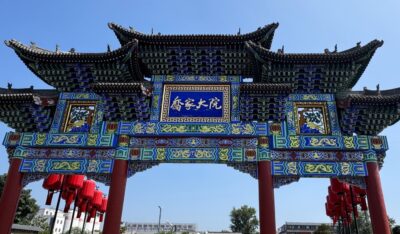
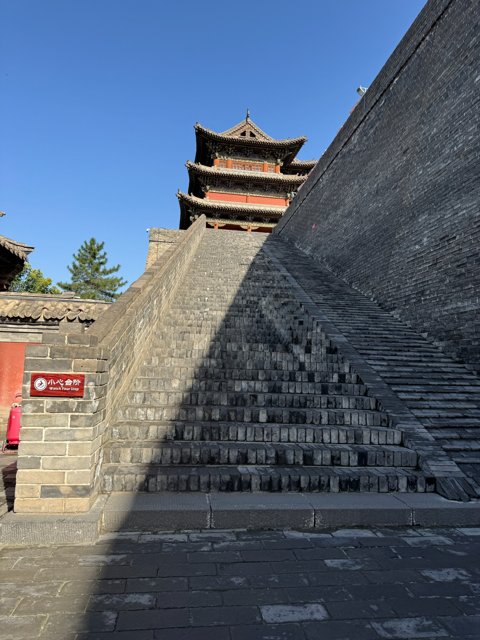
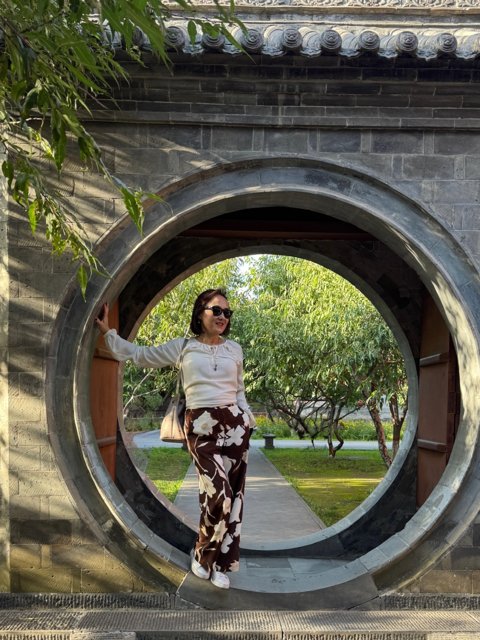
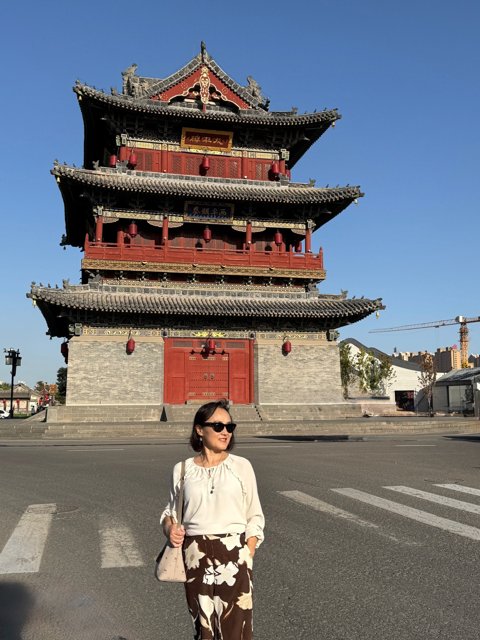
After leaving Yungang, we visited Datong Ancient City.
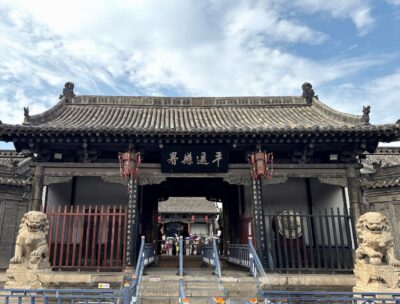
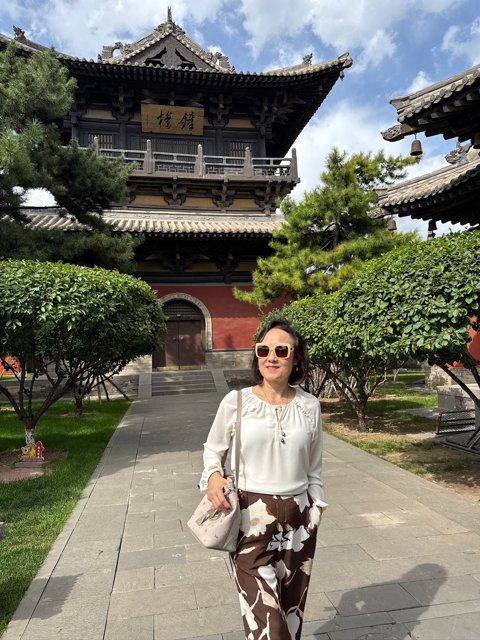
Visit Liao Dynasty temples Huayan Temple.
Visit Liao Dynasty temples Fahua Temple.
Dinner turned into quite an adventure.
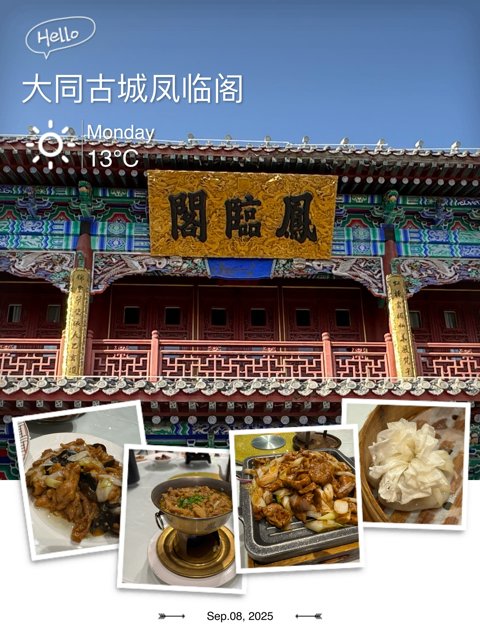
A neighbor strongly recommended Fenglin Pavilion Restaurant. Founded in 1876 during the Qing Dynasty, it has over 140 years of history. Legend says Empress Dowager Cixi once dined here while fleeing west in 1900.
Today, Fenglin Pavilion is one of the most sought-after restaurants in Datong. The interior is exquisitely decorated, and reportedly five million yuan was spent just on its all-copper restrooms.
We first made a reservation at 4 PM the day before, but by 8 PM, we still hadn’t been called. Learning from that, we queued at 3:33 PM the next day, only to receive number 216, again facing an 8 PM wait.
Out of desperation, we bought a number (134) from a ticket scalper and were finally called at 6:30 PM—only to be denied entry when it was discovered. Fortunately, the scalper refunded our deposit.
In the end, we managed to get a shared table around 7 PM. For a restaurant to be this popular, the owner must be smiling even in their sleep.
📍 Travel Logistics
🛏️ Accommodation: Four Points by Sheraton Datong Pingcheng
🚗 Transportation: Rental Car
Planning a similar trip? Download your free itinerary below.