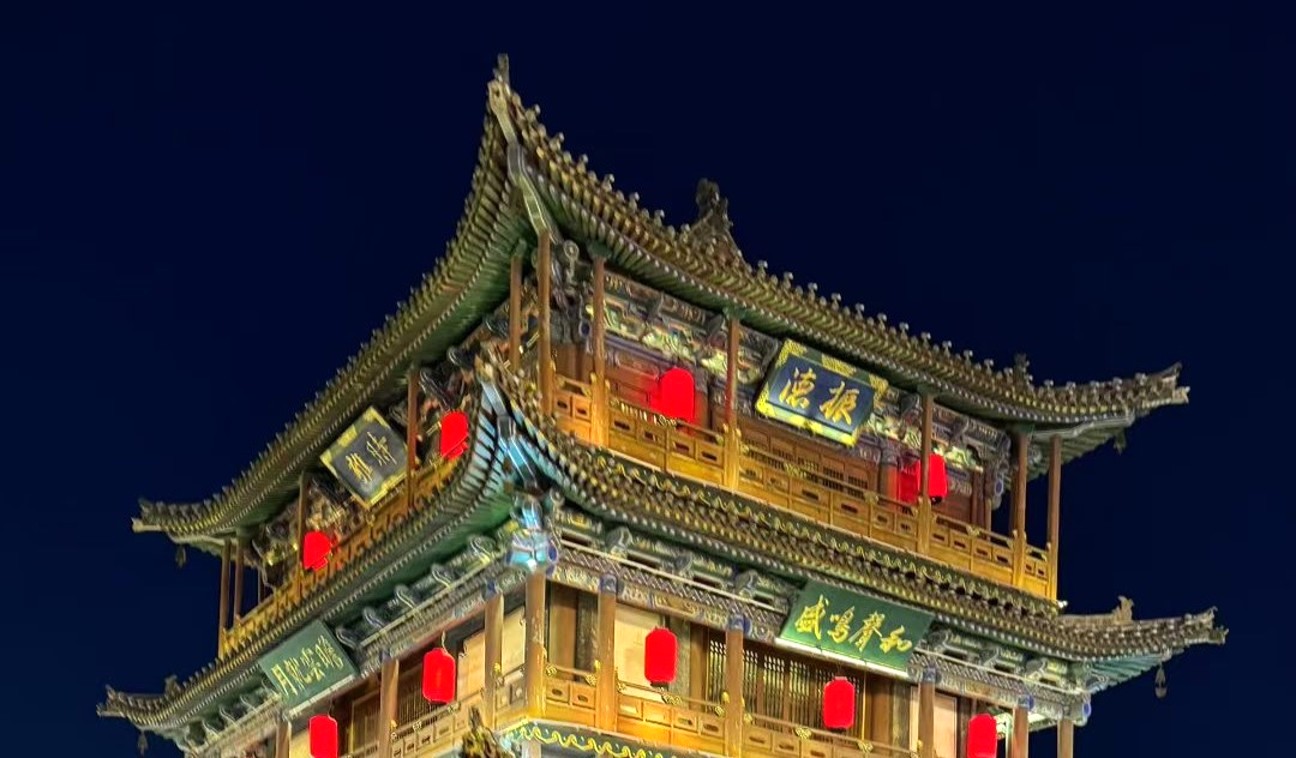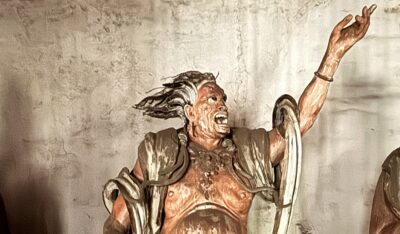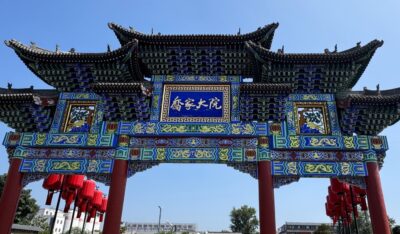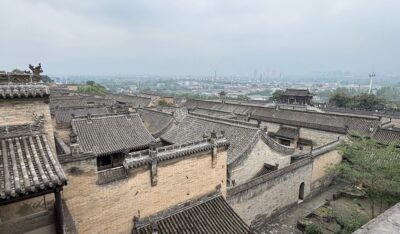

You are currently viewing Shanxi Travel Journal Day 1: Arriving Datong
Datong Ancient City

Shanxi Travel Journal Day 1: Arriving Datong

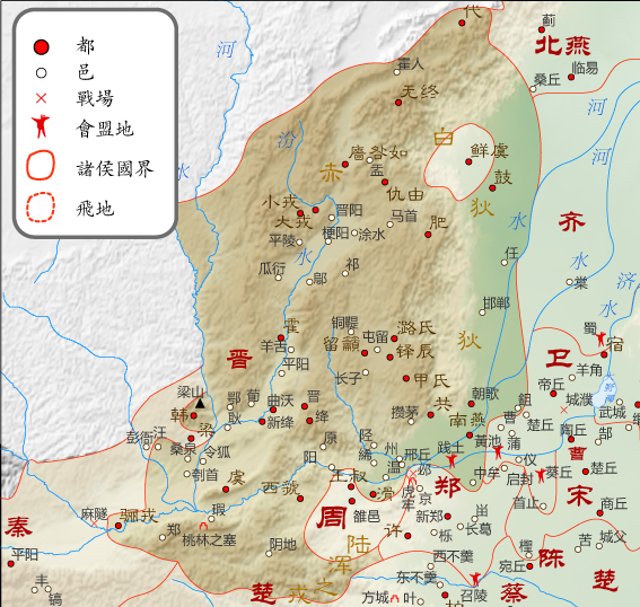
In the 11th century BC, King Wu of Zhou granted this land to his son Tang Shuyu, establishing the State of Tang, later renamed Jin. During the Spring and Autumn Period, Jin became one of the most powerful states, until it was divided by the Han, Zhao, and Wei families (Partition of Jin), marking the beginning of the Warring States era.

Map of the State of Jin during the Spring and Autumn Period 春秋诸侯分布图 - 晋国

Historically, Shanxi was at times ruled by non-Han regimes such as Northern Wei, Liao, and Jin, which explains why many relics from these periods can still be seen today.

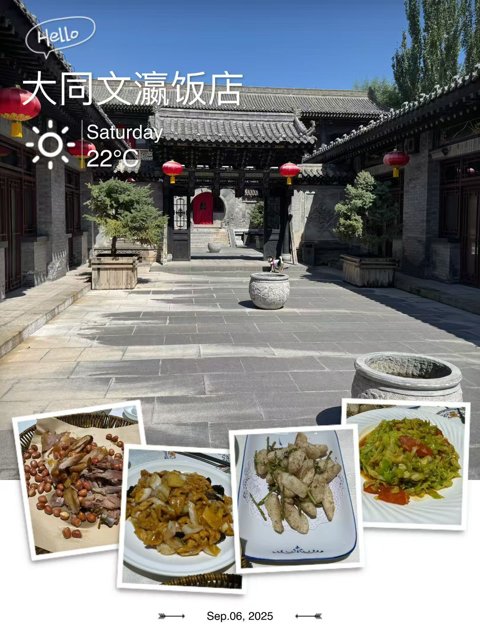
This morning, we arrived in Datong by plane and headed straight to Datong Wenying Hotel for lunch without delay. It is a distinctive garden-style hotel. Stepping inside, it feels like entering a harmonious blend of a traditional Jin-style courtyard and a Jiangnan classical garden. The restaurant carries a strong local flavor—dishes such as hand-pulled lamb, knife-cut noodles, and guo you rou all made it clear that we had truly arrived in Shanxi.

Lunch at Wenying Hotel Restaurant

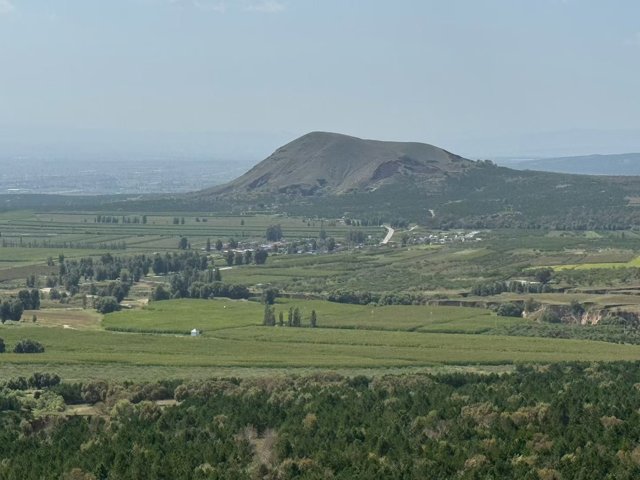
Later, we headed to the Datong volcanic Group. There are about 32 Quaternary volcanoes here, formed between 740,000 and 70,000 years ago.

Datong Volcanic Group

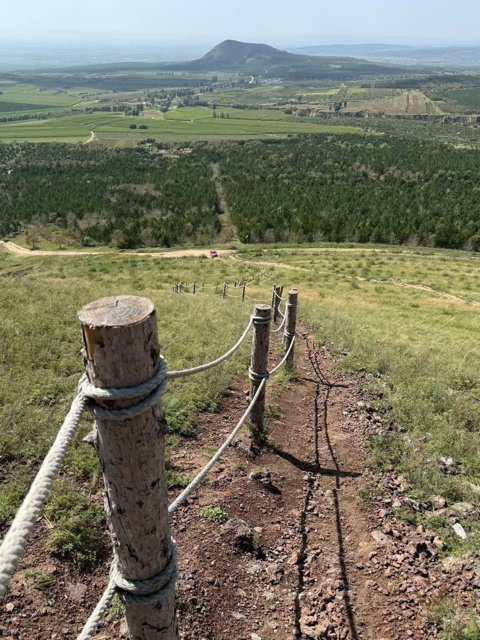
There is no entrance gate, and vehicles can drive straight in. Despite well-built roads, no tickets are required, which feels surprisingly generous. Heishantou is said to be the most complete cone-shaped crater, often called a “geology textbook.” After parking, we walked a muddy path for about a kilometer. The climb was steep, with only ropes and wooden stakes for support. Reaching the top, we realized the crater required another climb, so we gave up.

Datong Volcanic Group

Langwoshan is the most famous crater here, covered with vegetation and resembling a forested hill. Wooden walkways and steps lead to the top, where the crater can be fully seen. 

Datong Volcanic Group

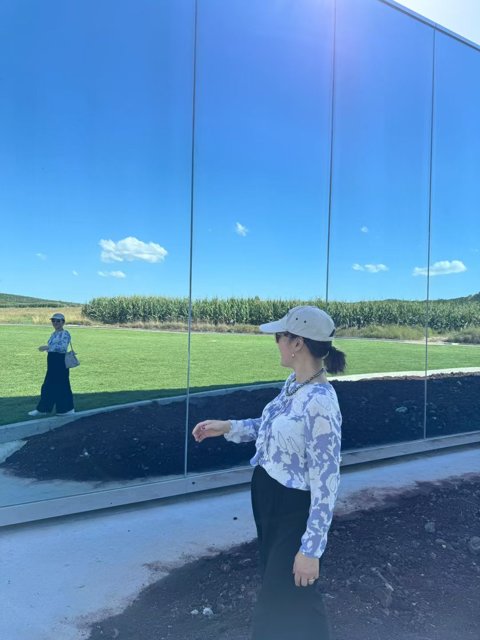
 We also spotted a mirrored building reminiscent of one we saw in the Middle East.

Datong Volcanic Group Mirrored Building

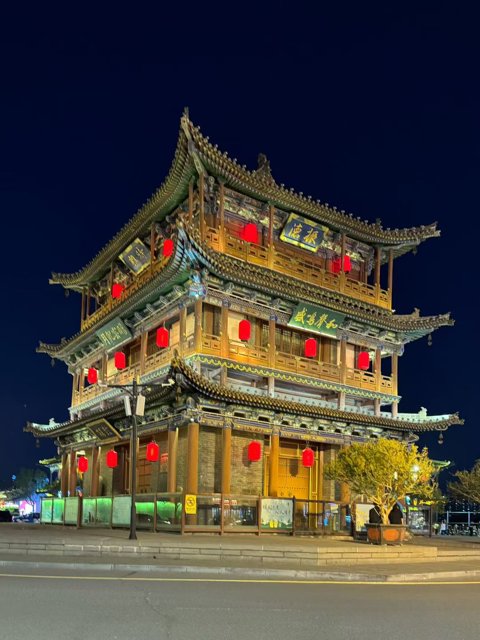
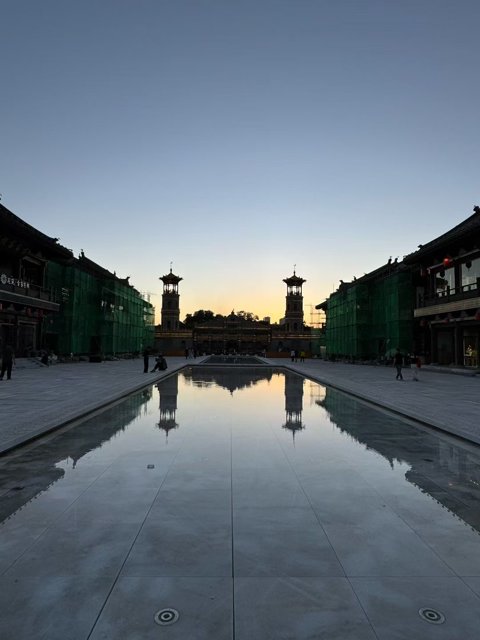
In the evening, we arrived at Datong Ancient City, a nearly square city with a perimeter of about 6.5 km, originally built in the Northern Wei dynasty.

Datong Ancient City
Datong Ancient City

We first tried to reserve a table at Fenglinge, only to find 180 people ahead of us. We also took numbers at two other popular restaurants, Longjuxiang and Zini 369, each with long queues.

While waiting, we walked around.

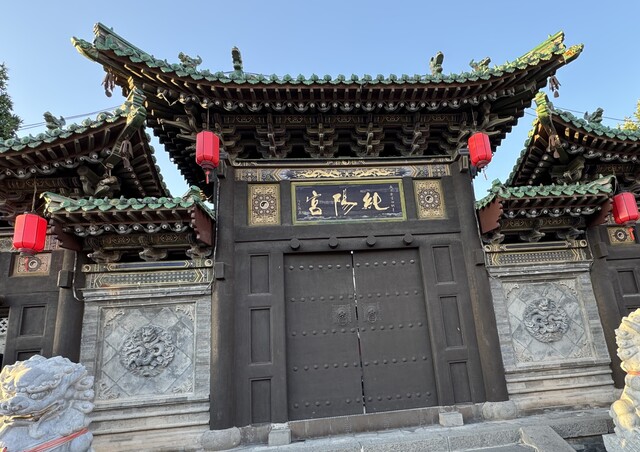
At Chunyang Palace, a Taoist temple dedicated to Lü Dongbin, priests were preparing rituals while people burned offerings outside. It was the Ghost Festival, a time for honoring ancestors. Later that night, we saw similar fires across the streets.

Chunyang Palace

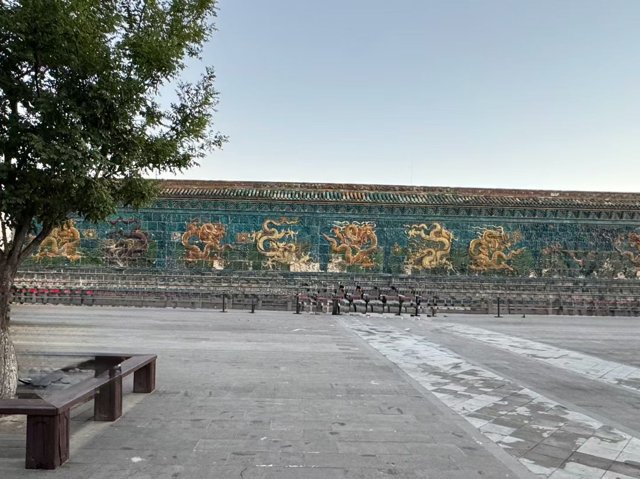
We also visited the Nine-Dragon Screen. It is over 600 years old and one of the largest glazed dragon walls in China. Built for Prince Dai, it features nine vividly colored dragons in dynamic poses, symbolizing imperial power.

Nine-Dragon Screen

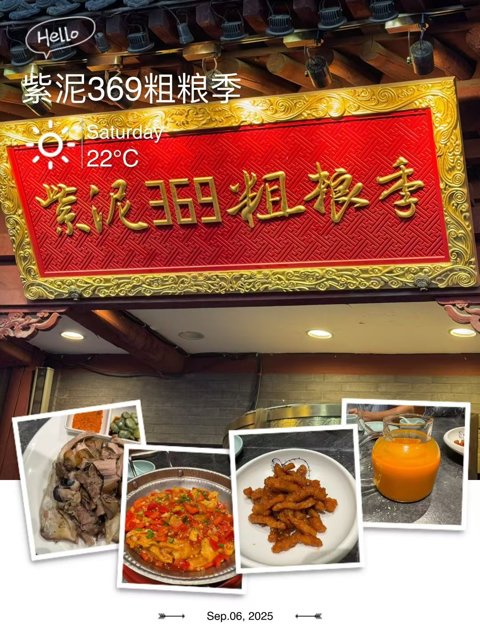
After more than an hour, we finally got a table at Zini 369 at 8 PM. The food, including shredded lamb head, was good, though perhaps not worth the long wait.

Our first day in Shanxi ended in a rich and vibrant way, and we look forward to what tomorrow brings.

dinner at Zini 369

📍 Travel Logistics

🛏️ Accommodation: Four Points by Sheraton Datong Pingcheng

🚗 Transportation: Rental Car

📥Planning a similar trip? Download your free itinerary below. 🧭

Leave a Reply