You are currently viewing Shanxi Travel Journal Day 14: Changzhi – Tiefo Temple & Guanyin Hall
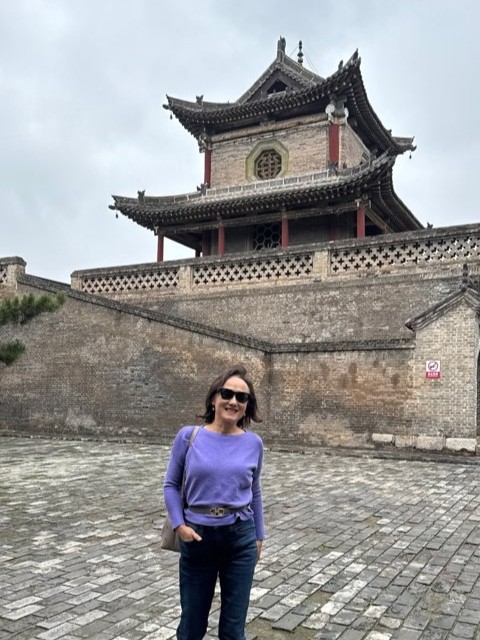
Shangdang Gate 上党门

Shanxi Travel Journal Day 14: Changzhi – Tiefo Temple & Guanyin Hall

Today we drove from Jincheng to Changzhi, stopping at several sites along the way.

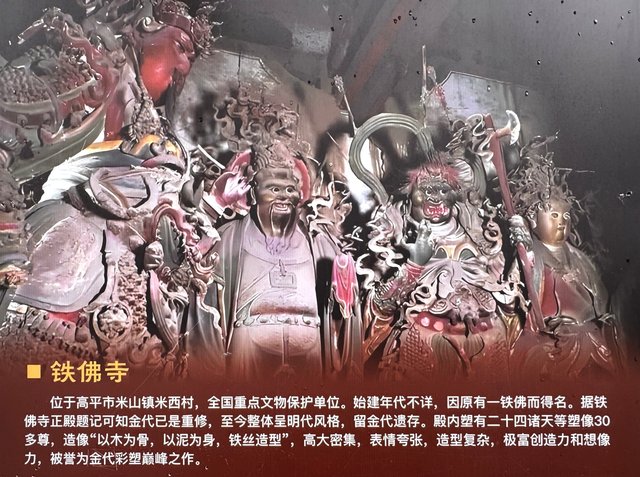
Our first stop was Gaoping Tiefo Temple. Its exact founding date is unknown, but inscriptions indicate activities in the Jin Dynasty, giving it a history of over 850 years, with later Ming and Qing restorations.

Tiefo Temple 铁佛寺

The temple is located within what looks like a residential courtyard, surrounded by homes on three sides. Though small, it is rich in artistic value.

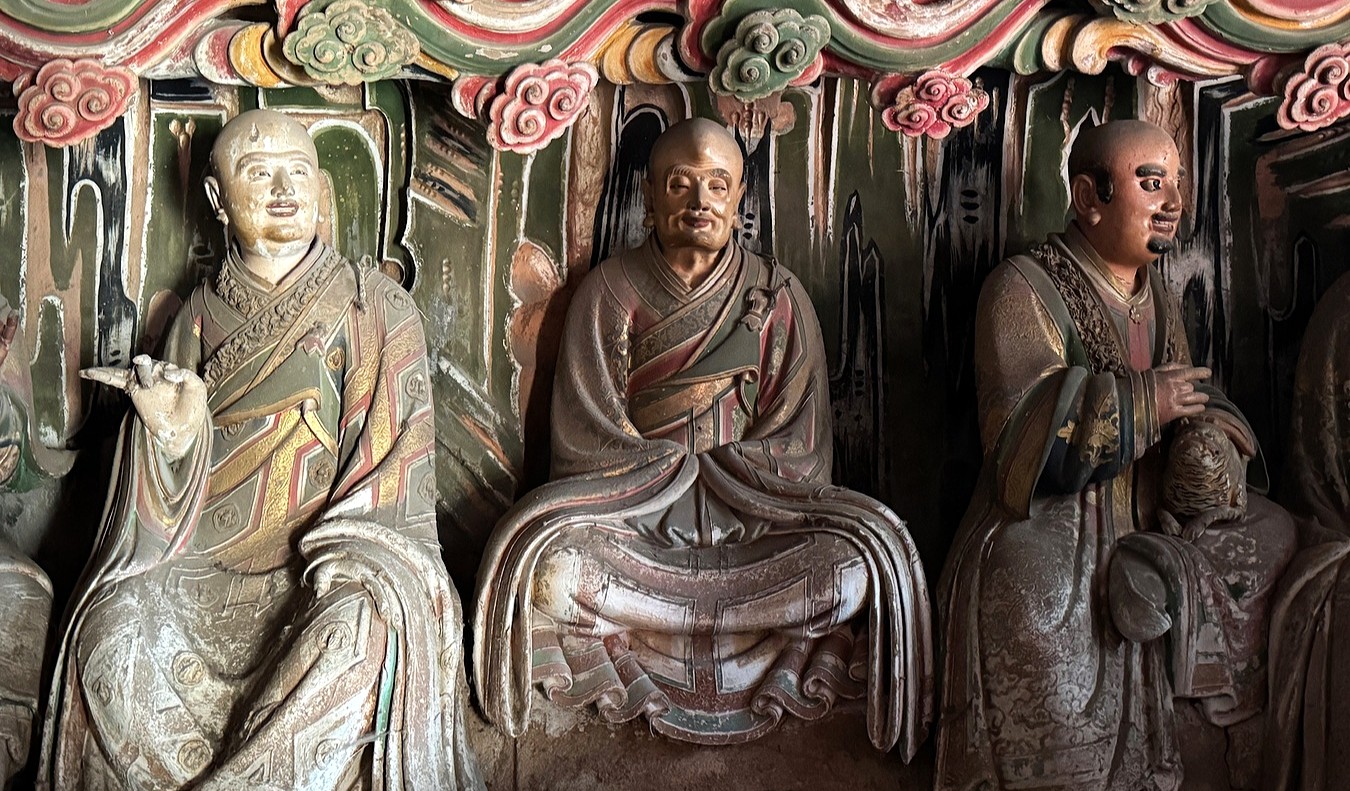
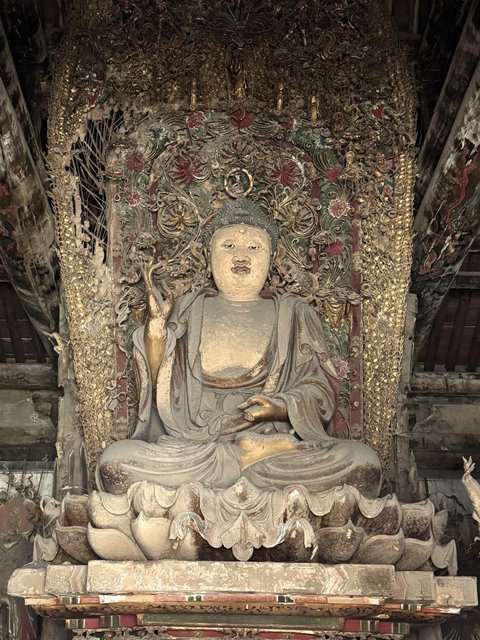
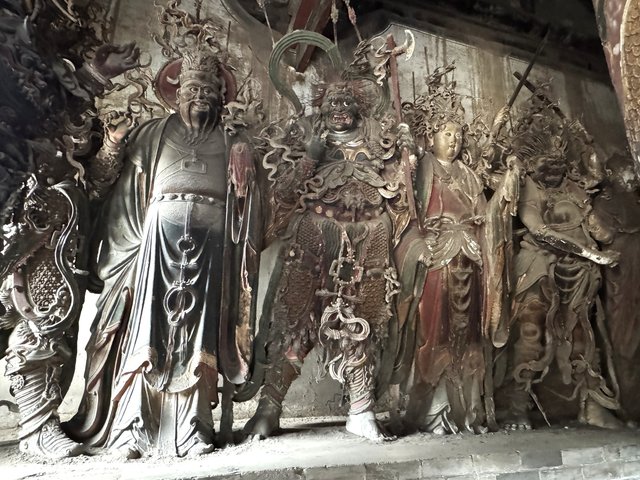
The original giant iron Buddha was melted down during a turbulent historical period. What remains today is a seated Sakyamuni Buddha surrounded by twenty-four guardian figures, each over two meters tall, arranged closely together.

Tiefo Temple 铁佛寺

These sculptures are expressive and dramatic—some calm and dignified, others fierce and dynamic—creating a powerful visual impact.

Tiefo Temple 铁佛寺

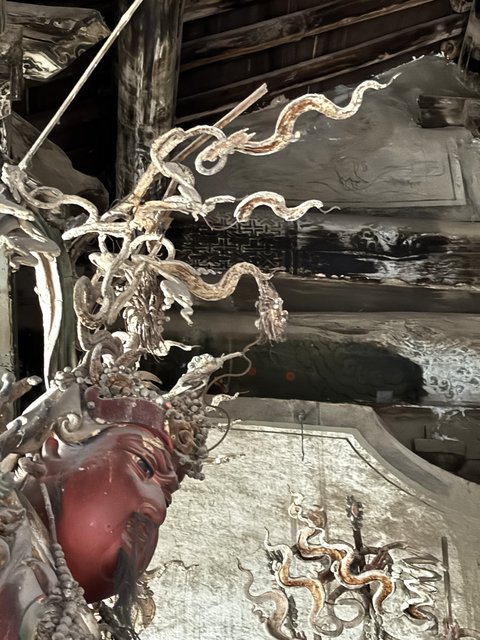
Their most distinctive feature is the use of iron wires to form crowns, ribbons, and hair, giving the figures a three-dimensional and intricate quality. Despite age, traces of painted color remain, and the works are considered treasures of Chinese sculpture.

Tiefo Temple 铁佛寺

Originally a private temple, it was maintained by one family for generations. Even today, a woman who has guarded the temple for fifty-nine years continues this tradition.

Due to continuous rain, many temples in the area were closed. This one happened to open for visiting officials, and we were fortunate to gain access.

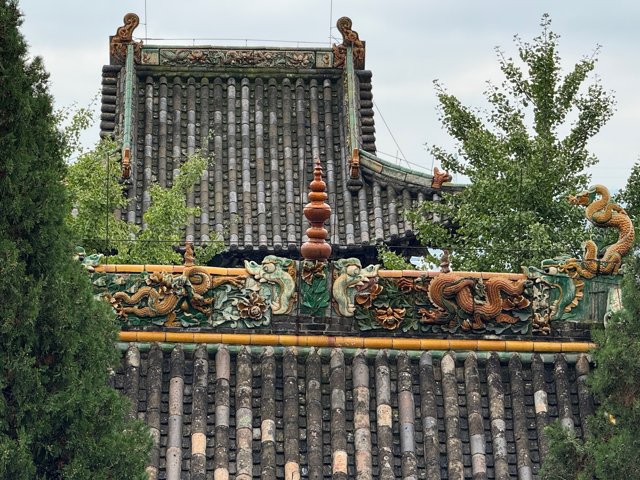
Following local recommendations, we visited a few smaller temples nearby, including Dinglin Temple and Chongming Temple, both dating back to the Tang and Song dynasties. Shanxi truly feels like a living museum of ancient sites.

Dinglin Temple 定林寺
Dinglin Temple 定林寺

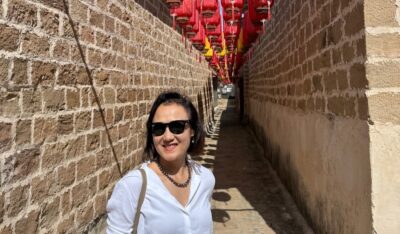
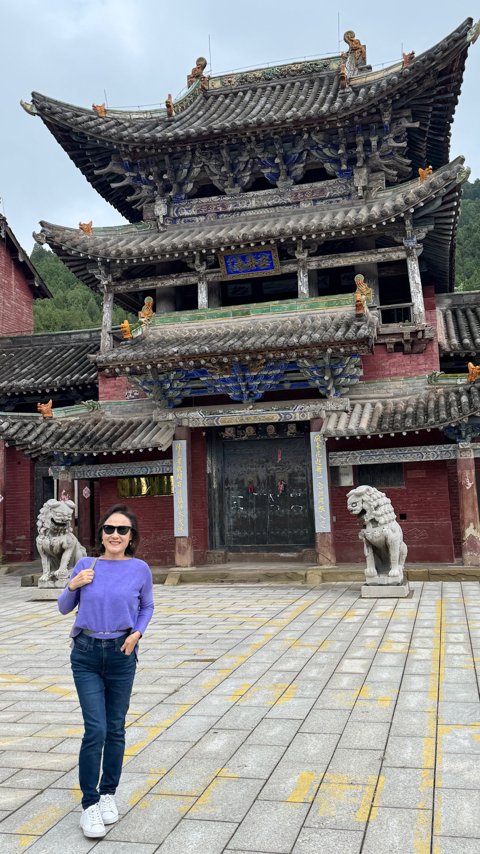
Arriving in Changzhi city, we visited Shangdang Gate, built over a thousand years ago as an administrative entrance.

Shangdang Gate 上党门
Shangdang Gate 上党门

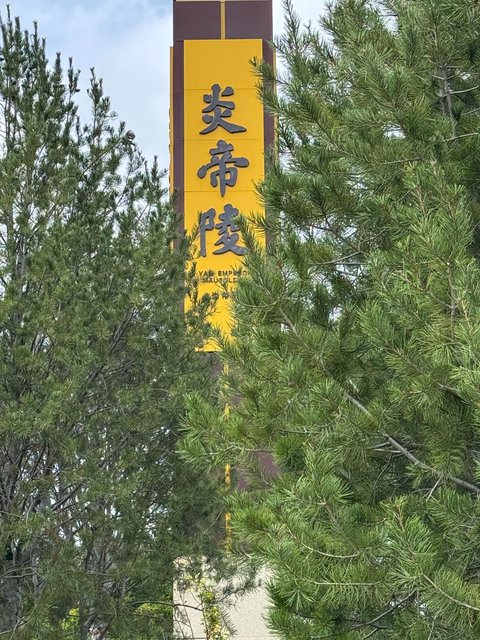
Visiting the mausoleum of the Yan Emperor had long been a wish of mine. Known as Shennong, he is revered as one of the founding ancestors of Chinese civilization.

Legend says he tasted hundreds of herbs to distinguish food from medicine and developed early agricultural tools, greatly contributing to human survival and civilization.

However, due to weather conditions, the site was closed, and we could only take photos outside.

mausoleum of the Yan Emperor 炎帝陵

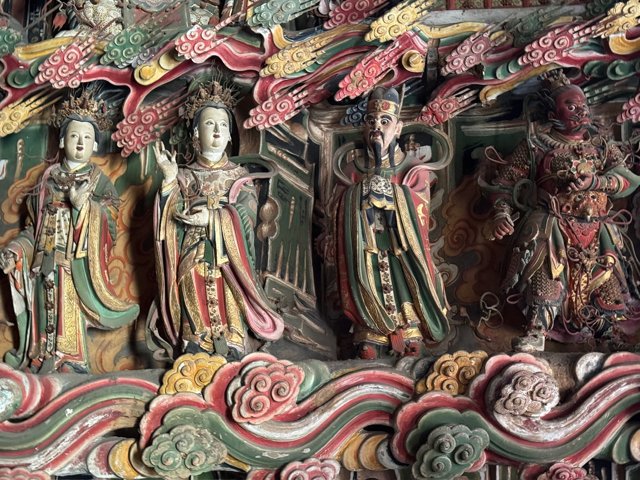
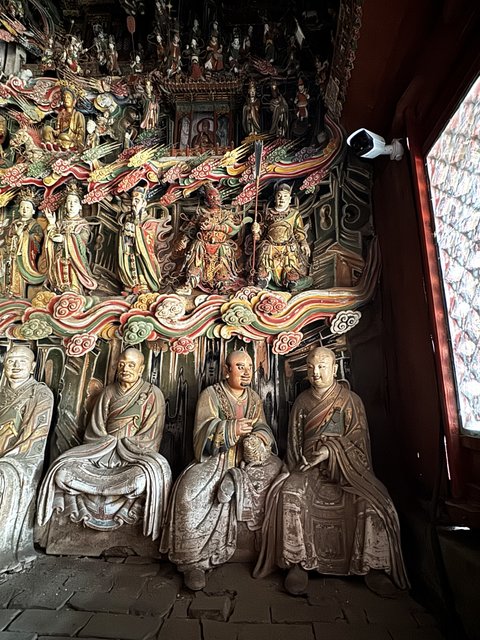
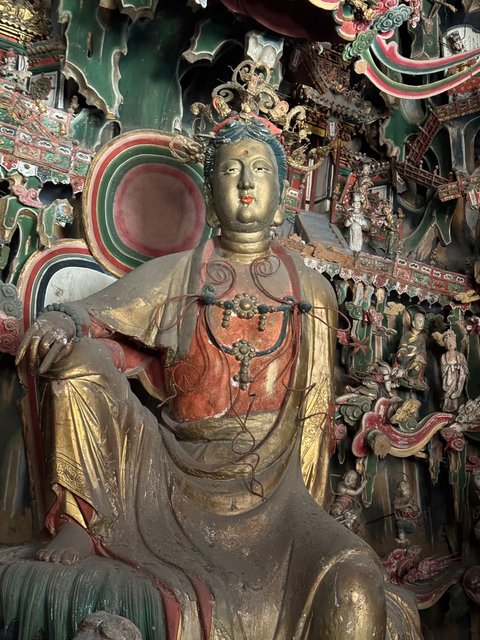
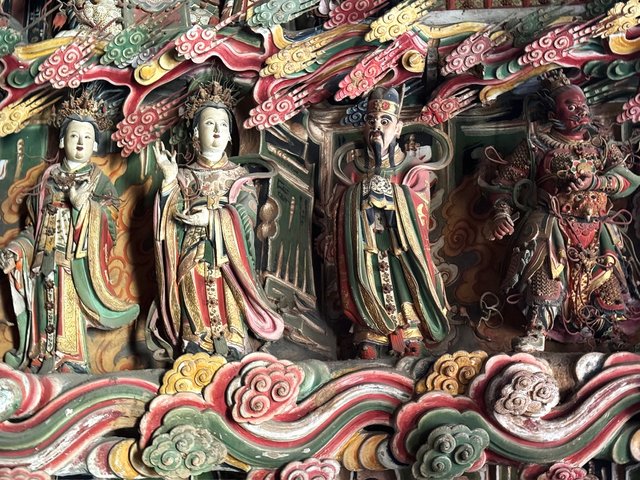
Our final stop was Guanyin Hall Changzhi. Built in 1582, the hall contains around 593 sculptures, many of which are suspended figures similar to those seen at Xiaoxitian.

The sculptures range in size from two meters to just a few centimeters, filling walls, beams, and structural spaces. At the center sits Water-Moon Guanyin, flanked by Manjushri and Samantabhadra.

Guanyin Hall 观音堂

Above are Daoist figures such as the Jade Emperor and Queen Mother of the West, while Confucian scholars also appear, reflecting the integration of Buddhism, Daoism, and Confucianism.

Additional figures, including the Eighteen Arhats and Twenty-Four Deities, create a rich and comprehensive visual world.

Guanyin Hall 观音堂
Guanyin Hall 观音堂

📍 Travel Logistics

🛏️ Accommodation: Hampton by Hilton Changzhi Luzhou

🚗 Transportation: Rental Car

📥Planning a similar trip? Download your free itinerary below. 🧭

Leave a Reply