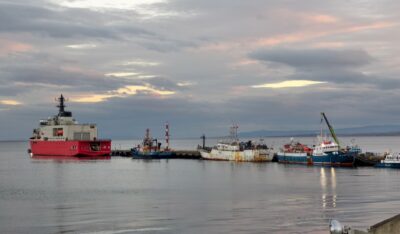
This journey was originally planned as a fly-and-cruise expedition to Antarctica, departing from Santiago, Chile and continuing to Punta Arenas before flying across the Drake Passage. However, persistent weather conditions forced the cancellation of the Antarctic expedition. What followed instead was an unexpectedly rich twelve-day journey through Chile.
The trip began in Santiago, where we explored historic plazas, rode the funicular to Cerro San Cristóbal, and sampled local cuisine. From there we flew to Punta Arenas, the gateway to Antarctica, where walks along the Strait of Magellan, visits to maritime museums, and a Patagonian condor-watching excursion offered a glimpse into the region’s dramatic history and landscape.
After returning north, the journey continued through the vineyards of Colchagua Valley, the colorful hills of Valparaíso and elegant coastal city of Viña Del Mar. Although Antarctica remained out of reach, Chile itself provided remarkable scenery, warm encounters, and memorable experiences—leaving behind both fulfillment and a reason to return.
Day 1 · Arrival in Santiago
Day one in Santiago marked the start of our Antarctic journey. Choosing a fly-and-cruise expedition helped us avoid the Drake Passage. A snowstorm prompted an early departure, unexpectedly giving us extra time in the city.
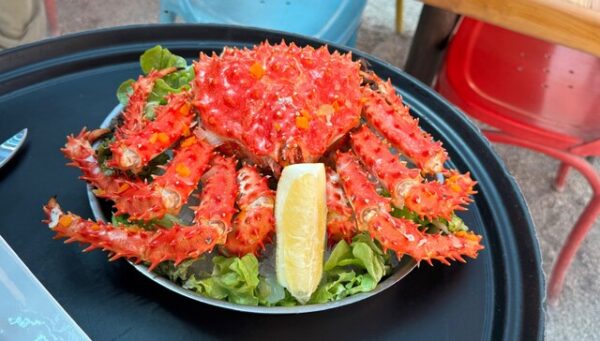
After settling into our hotel, we visited Mall Parque Arauco and enjoyed Chile’s famous Centolla at a seafood restaurant. The city felt lively, and a friendly encounter with a university student added warmth to the experience.
Though transportation required some adjustment, the evening slowed at the hotel lounge. With Antarctica still ahead, Santiago had already set the tone—relaxed, welcoming, and full of quiet anticipation for the journey to come.
Day 2 · A Day in Santiago

Day two in Santiago was filled with exploration and discovery. After checking into the Ritz-Carlton, we navigated the metro, impressed by its cleanliness and efficiency. A spontaneous lunch introduced us to fresh ceviche and seafood rice.
We rode the historic funicular up Cerro San Cristóbal, enjoying sweeping city views. Later, we wandered through Bellavista and visited Plaza de Armas, where street life, markets, and local rhythms revealed Santiago’s vibrant character.
Traditional treats like mote con huesillo and empanadas added flavor to the day. Though Antarctica awaited, Santiago had already offered a rich experience, blending culture, history, and everyday life into a memorable start.
Day 3 · Arrival in Punta Arenas
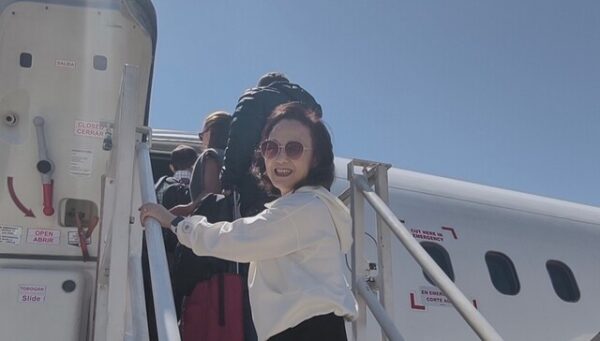
Day three marked our descent into Patagonia. A small regional flight carried us south over vast glaciers, offering breathtaking aerial views. After hours in the air, we arrived in Punta Arenas, gateway to Antarctica.
The chill in the air made the journey feel real. Stories of Magellan and the Drake Passage deepened the sense of history and adventure, reminding us we were approaching one of the most remote regions on Earth.
At our hotel overlooking the Strait of Magellan, anticipation replaced nervousness. Antarctica was no longer a distant idea—it felt close and tangible, just one day away, waiting quietly beyond the horizon.
Day 4 · Condors of Patagonia
Our flight to Antarctica was canceled due to low clouds over King George Island. Instead of disappointment, the delay allowed us to explore Punta Arenas, where maritime history and southern isolation quickly became part of the experience.
We visited the central plaza and the statue of Magellan, learning the origin of Patagonia’s name. A local restaurant offered king crab, adding a rich taste of the region to an otherwise unexpected day.
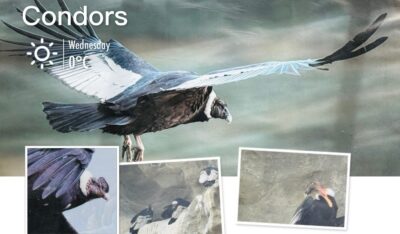
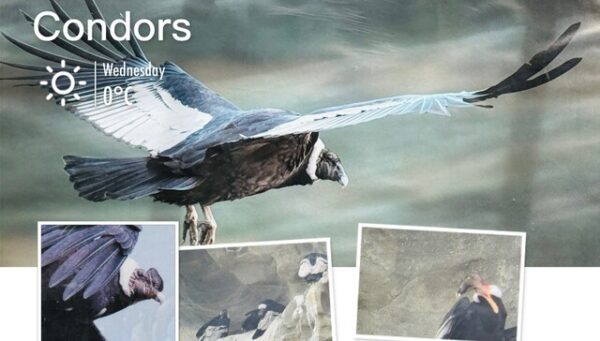
Later, we joined a Condors of Patagonia tour, driving into open ranchlands. Above the cliffs, Andean condors soared with wide wingspans, carried by wind currents, revealing a different kind of wild beauty beyond Antarctica.
Day 5 · Goodbye for now, Antarctica
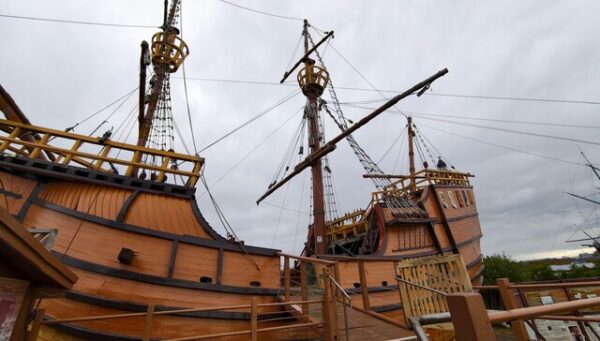
After a second day of flight cancellations, the expedition was officially called off. Instead, we explored Punta Arenas, visiting the Nao Victoria museum and reflecting on fragile ships that once crossed unknown oceans.
Learning about Enrique of Malacca, possibly the first true circumnavigator, added depth to the story of exploration. His overlooked role offered a different perspective on history, expanding our understanding beyond familiar European narratives.
As rain fell over the harbor city, we attended a briefing confirming the cancellation. Though disappointed, we appreciated the company’s handling. Antarctica would have to wait, but the journey itself continued in another form.
Day 6 · Return to Santiago
Day six focused on returning from Punta Arenas to Santiago after the expedition’s cancellation. Coordinated buses and multiple flights moved passengers efficiently, though the long transfers made it clear the Antarctic journey had come to an unexpected end.
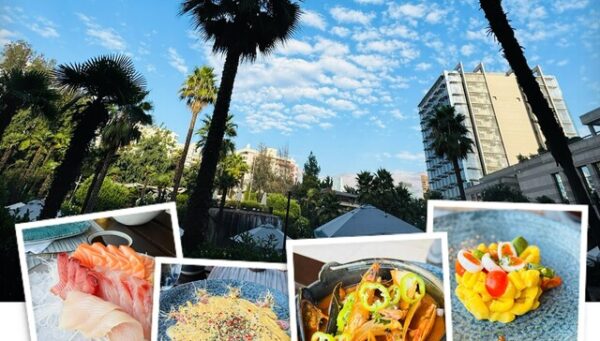
That evening, we checked into the Mandarin Oriental Santiago. With dinner reimbursed, we chose the hotel’s Asian restaurant, enjoying sashimi, citrus-marinated salmon, and a seafood soup reminiscent of Thai flavors.
A creative wasabi ice cream ended the meal on a memorable note. With mixed feelings of appreciation and regret, we reflected quietly—Antarctica remained unseen, but the journey still held meaning as this chapter came to a close.
Day 7 · South to Colchagua Valley
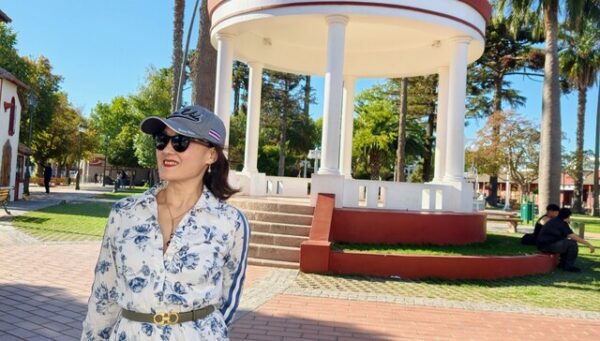
Driving south from Santiago, we entered Colchagua Valley, where vineyards covered rolling hills and life slowed noticeably. Learning the story of Carmenère, once lost in Europe but preserved here, added depth to the journey.
Arriving in Santa Cruz, we found a peaceful town with red-tiled roofs and distant Andes views. From our balcony, blooming flowers and warm evening light created a gentle charm that defined the town’s relaxed atmosphere.
Dinner featured a smooth Carmenère, followed by a quiet walk through the plaza. A local boy greeting us in Chinese felt unexpectedly touching, ending the day with a sense of connection and anticipation for tomorrow’s vineyard visit.
Day 8 · A Visit to Viña Montes
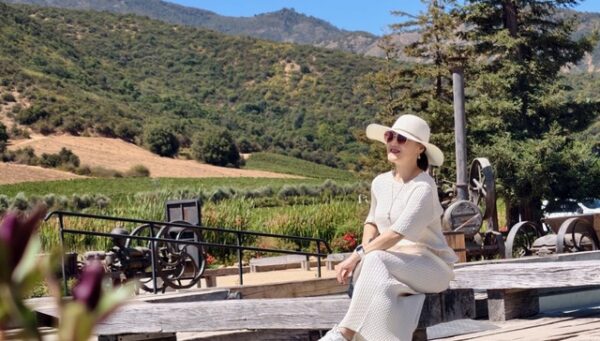
On day eight, we visited Viña Montes in Apalta Valley, a leading boutique winery in Colchagua. The founders’ journey—from dismissal to global success—was inspiring, adding depth to our understanding of Chile’s evolving wine industry.
We learned about Carménère’s rediscovery, the winery’s gravity-based design, and oak aging. The angel statue symbolized resilience. Tastings of Outer Limits, Alpha, M, and Purple Angel deepened our understanding of structure and balance.
Lunch overlooking vineyards completed the visit. Waiting for an Uber at sunset became unexpectedly peaceful, reminding us that the most memorable travel moments often come from unplanned pauses.
Day 9 · Viña Maquis Winery Visit
Day nine unfolded in Colchagua Valley. The morning at Museo de Colchagua brought Chile’s history to life, from ancient civilizations to modern winemaking, offering context that deepened our appreciation for the region.
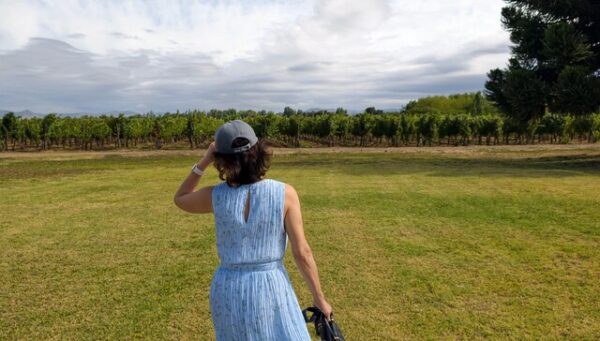
In the afternoon, we visited Viña Maquis, a flatland winery between rivers, contrasting yesterday’s hillside estate. Tasting Carmenère and Cabernet Franc grapes from the vines connected directly with the wines we later sampled.
The experience felt intimate and educational rather than commercial. Two wineries, two personalities, and a deeper appreciation for Chile’s evolving wine culture.
Day 10 · Baháʼí House of Worship
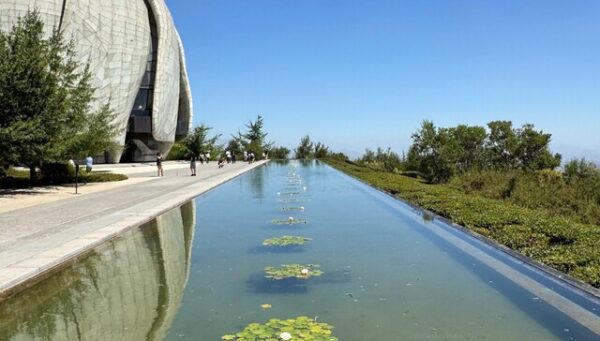
On our way back to Santiago from Colchagua Valley, we visited the Baháʼí House of Worship. Originating in 19th-century Persia, the Baháʼí Faith emphasizes unity, harmony among religions, and equality, with a core principle of “unity in diversity.”
The temple sits on a quiet hillside, shaped like a flower opening to the sky. Its translucent stone and glass panels glow softly. Inside, the space is simple, without statues or altars, reflecting direct connection between humans and God.
After the visit, we spoke with volunteers from different countries, learning more about the faith’s vision of unity. The experience offered a calm, reflective pause, connecting architecture, belief, and human stories in a meaningful way.
Day 11 · The Colorful City of Valparaíso
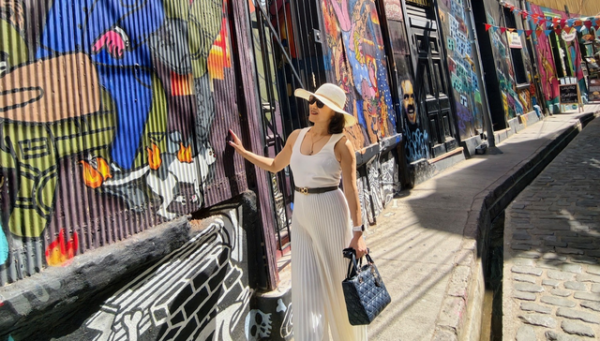
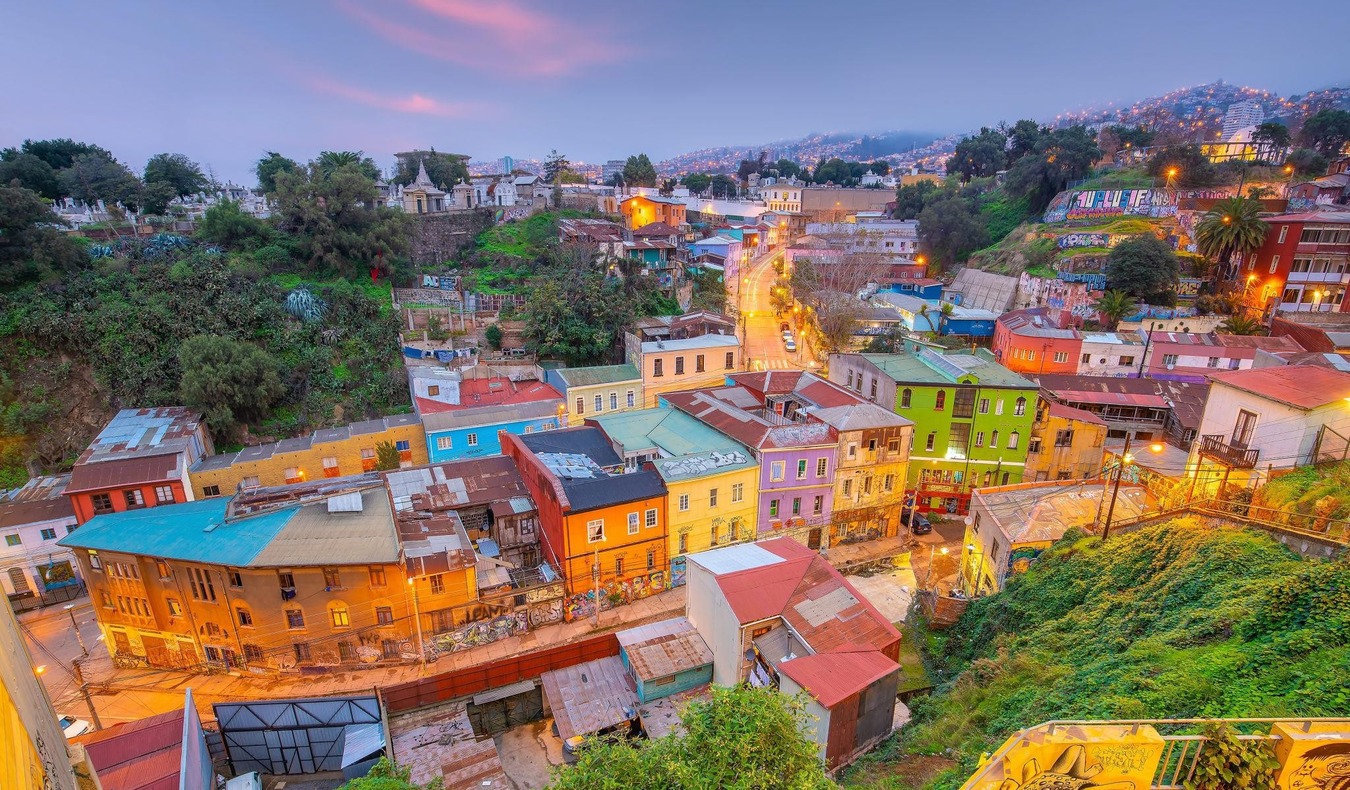
Today we drove from Santiago to Valparaíso, a UNESCO-listed port known for colorful hills and street art. Walking painted stairways and mural-lined streets felt like an open-air gallery, with locals offering help and friendly reminders.
We visited La Sebastiana, Pablo Neruda’s hillside home, where sweeping harbor views were unforgettable. In the afternoon, we continued to Viña del Mar, where coastal scenery and ocean air offered a refreshing contrast.
Though the Flower Clock was less impressive than expected, the rocky shoreline and passing ships were beautiful. Dinner by the sea, with warm sunlight and ocean breezes, ended the day in a calm, relaxing atmosphere.
Day 12 · Final Day in Chile
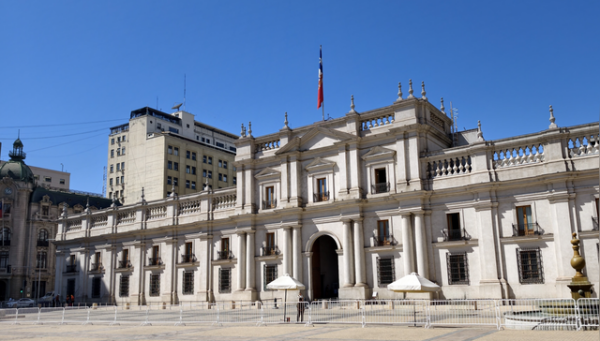
Today marked the final day of our twelve-day South America journey. After returning the rental car, we stopped by La Moneda, Chile’s presidential palace, viewing it from the outside and taking photos of its historic façade.
We then explored the Museo Chileno de Arte Precolombino, where artifacts from Maya, Aztec, and Inca cultures showcased remarkable craftsmanship and revealed artistic traditions that shaped civilizations across the Americas.
Later, we strolled Plaza de Armas and enjoyed mote con huesillo once more. Though Antarctica remained unreachable, the journey still ended meaningfully, filled with memorable moments and a quiet promise of future travel adventures ahead.