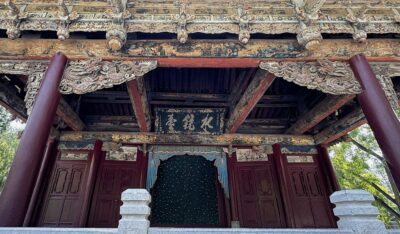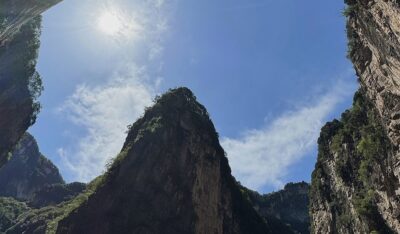
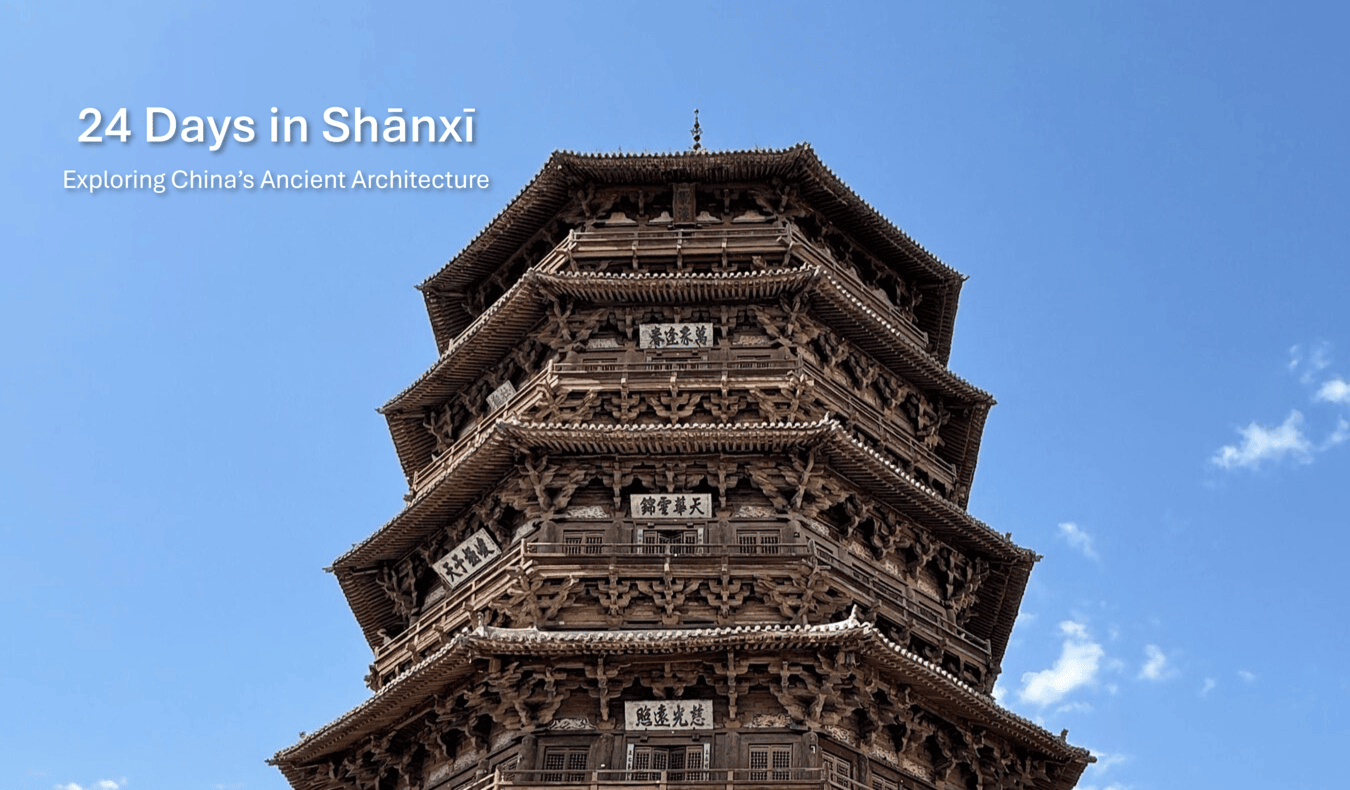
This 24-day road trip across Shanxi begins in Datong and travels through Pingyao, Taiyuan, Yuncheng, and Changzhi, before reaching Mount Wutai. Along the way, iconic sites such as the Yungang Grottoes, Hanging Temple, and Yingxian Wooden Pagoda unfold a vivid historical landscape shaped over centuries.
What makes Shanxi truly remarkable is not a single landmark, but the density of its ancient architecture. From Tang dynasty wooden temples like Nanchan Temple and Foguang Temple to the Yuan dynasty murals of Yongle Palace, these preserved structures reveal the depth of Chinese craftsmanship and religious artistry.
At the same time, the journey traces the legacy of Shanxi merchants through Pingyao Ancient City, Qiao Family Courtyard, and Rishengchang Draft Bank. Combined with local food and everyday life, the experience becomes both culturally rich and deeply human.
Day 1 · Arrival in Datong
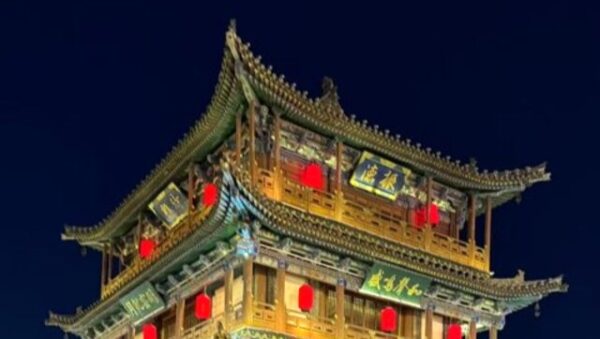
Before this trip, Shanxi existed to me only through a few historical idioms—such as the Qin-Jin alliance and the Partition of Jin. Today, however, it has become a vivid experience of food, scenery, and cultural heritage.
From the rise of the Jin state to the eventual Partition, history unfolds across Shanxi through well-preserved relics and architecture, shaped by successive dynasties, diverse cultural influences, and evolving traditions over many centuries of development.
The day combined Datong volcanic Group, Datong Ancient City, cultural encounters, and authentic local cuisine, offering a dynamic introduction to Shanxi’s remarkable depth, historical richness, and unique character, leaving a lasting impression of both heritage and lived experience.
Day 2 · Datong – Hanging Temple & Mount Heng
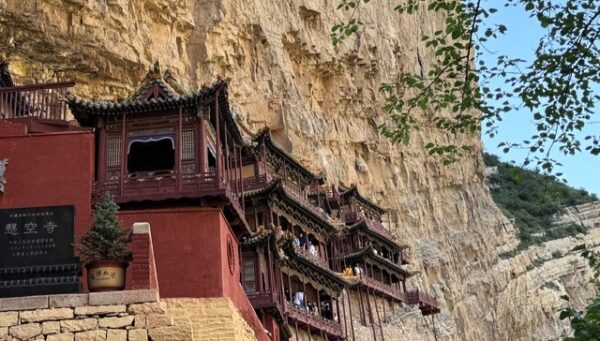
The Hanging Temple is a breathtaking architectural wonder, suspended on a cliff for over 1,500 years, where its unique blend of Buddhism, Taoism, and Confucianism reflects deep spiritual meaning and enduring cultural harmony.
Mount Heng offers dramatic landscapes and historic temples, and choosing not to summit allowed for a more relaxed descent, with scenic views and encounters with lesser-known yet beautiful cliffside temples along the mountain paths.
Though the journey remained incomplete, it delivered lasting impressions, showing that travel is not about conquering every peak, but about embracing each moment and leaving meaningful space for future returns and deeper exploration.
Day 3 · Datong – Yungang Grottoes
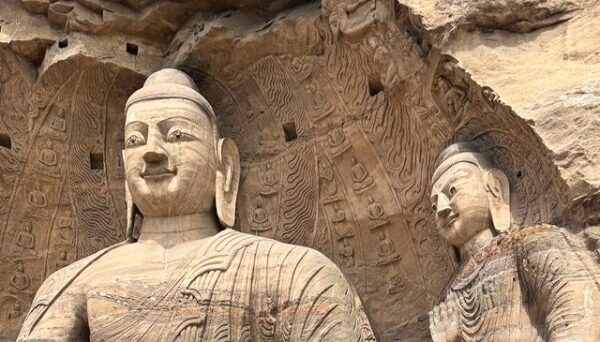
The Yungang Grottoes represent a remarkable fusion of religion and imperial authority, where monumental sculptures not only express deep Buddhist devotion but also symbolize the political vision and stability of the Northern Wei Dynasty.
The artistic style of the grottoes reflects diverse influences from Gandhara, Central Asia, and the Chinese heartland, gradually evolving from strong Western features into a more localized and refined aesthetic rooted in traditional Chinese culture.
In the evening, we explored Datong Ancient City Yongtai Gate, visited Huayan Temple and Fahua Temple.
The day ended with an unexpectedly eventful dining experience, reminding us that travel is not only about historical sites but also about spontaneous moments and small challenges that ultimately create the most vivid and lasting memories.
Day 4 · Yingxian Wooden Pagoda and Yanmen Pass
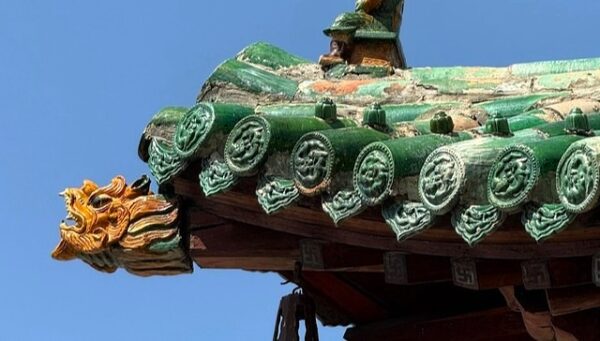
The Yingxian Wooden Pagoda in ShuoZhoun stands as a masterpiece of ancient engineering, showcasing remarkable craftsmanship through its all-wood construction and enduring resilience, while also reflecting the complex historical coexistence of the Liao and Northern Song dynasties.
Yanmen Pass reveals its strategic importance through rugged terrain, historical legends, and cultural heritage, where stories of generals, poets, and imperial journeys blend into a vivid landscape shaped by centuries of conflict and memory.
From ancient towers to mountain passes and the Great Wall, the journey combines history, nature, and human encounters, creating a powerful travel experience enriched by challenge, discovery, and moments that leave lasting impressions.
Day 5 · Wannian Ice Cave (Ten-Thousand-Year Ice Cave)

The Wannian Ice Cave (Ten-Thousand-Year Ice Cave) presents a rare natural wonder, where ancient geological conditions preserve year-round ice formations, creating a surreal underground landscape that contrasts sharply with the changing seasons above ground.
The hanging village and Fen River source reveal a quieter side of Shanxi, blending history, legend, and natural beauty, where human settlement and cultural memory remain deeply connected to the surrounding landscape.
From ice caves to ancient village, the journey offers diverse experiences, combining natural marvels, historical depth, and local discoveries, making the day both visually striking and culturally enriching in unexpected and memorable ways.
Day 6 · Shuozhou to Qikou Ancient Town
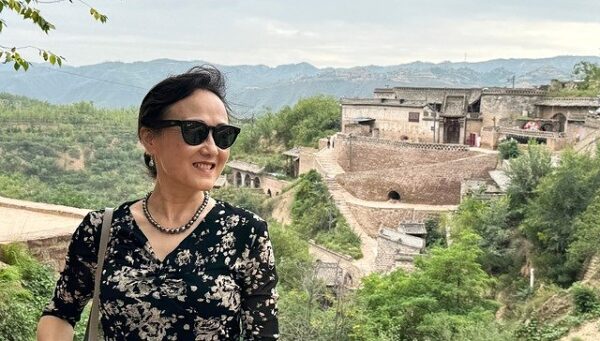
The journey from Shuozhou reveals layers of history, from ancient temples and grotto relics to traditional villages, where quiet landscapes and cultural traces offer insight into Shanxi’s deep and evolving heritage.
Qikou Ancient Town reflects its historical role as a trading hub, shaped by the Yellow River’s challenging terrain, where southern boats and northern caravans once converged, creating a vibrant and enduring commercial culture.
From hillside villages to lively town scenes, the day blends history, daily life, and human encounters, capturing both the quiet persistence of rural communities and the enduring vitality of traditional cultural landscapes.
Day 7 · Wubu Stone City & Xiucai Town
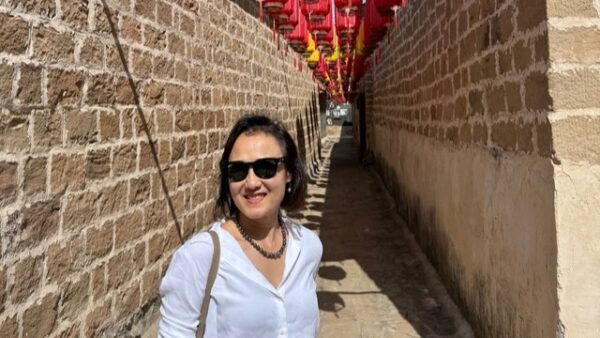
The day began with a lively wedding scene, offering a glimpse into local traditions, where music, dance, and strong community spirit created a vibrant and memorable cultural encounter along quiet rural roads.
From stone-built villages to turbulent Yellow River landscapes, the journey revealed both natural power and historical depth, blending ancient architecture, human stories, and dramatic scenery into a richly layered and immersive experience.
Despite unexpected detours and missed opportunities, the day remained rewarding, showing that travel is shaped as much by spontaneous encounters and genuine human warmth as by destinations themselves and carefully planned highlights.
Day 8 · Xiaoxitian Temple in Xi County
Linfen’s identity as an ancient capital connects legendary history with the present, where the enduring legacy of Emperor Yao continues to shape cultural imagination and deepen the meaning of this memorable journey.
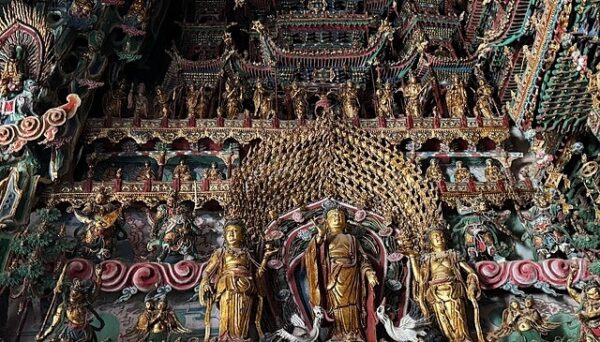
Xiaoxitian Temple, also known as Little Western Paradise and Qianfo’an, surprises with its extraordinary suspended sculptures, transforming an unassuming exterior into a breathtaking artistic experience, showcasing the remarkable ingenuity and refined aesthetic brilliance of skilled Ming Dynasty craftsmanship.
From historical reflections to modern city life, the day blends past and present, where ancient ideals of virtue meet everyday moments, creating a balanced and memorable travel experience rich with contrast and harmony.
Day 9 · Guangsheng Temple and Hongtong Great Pagoda Tree
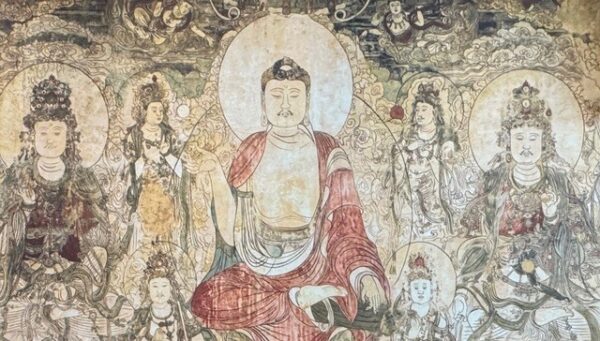
Guangsheng Temple showcases the grandeur of ancient Buddhist architecture, where preserved wooden structures, intricate murals, and towering pagodas together reflect the artistic achievements and enduring religious devotion of the Yuan Dynasty.
The Hongtong migration Tree story reveals a significant chapter of Chinese history, where large-scale population movements reshaped entire regions, leaving behind a powerful cultural symbol of shared roots, identity, and collective memory across generations.
From temples to historical sites, the day blends spirituality, history, and human stories, enriched by unique encounters and memorable culinary experiences, creating a meaningful journey that connects past traditions with present-day life.
Day 10 · Qinglong Temple and Li Family Courtyard
Qinglong Temple’s murals reveal the artistic brilliance of the Yuan Dynasty, where vivid imagery and cultural integration transform a modest temple into a powerful visual experience filled with historical depth and spiritual expression.
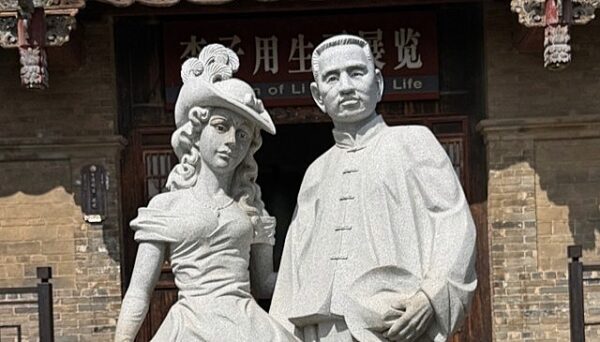
The Li Family Courtyard reflects the prosperity and values of Shanxi merchants, combining architectural elegance with stories of innovation, philanthropy, and cultural exchange that shaped both family legacy and regional development.
From temples to courtyards and historical sites, the day blends art, history, and personal moments, culminating in a meaningful journey enriched by cultural discovery and a warm family celebration marking a memorable birthday.
Day 11 · Guangren Wang Temple and Guanque Tower
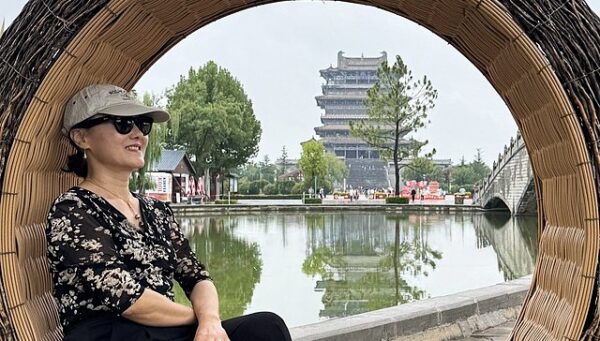
Guangren Wang Temple and Yongle Palace reveal the depth of religious architecture, where Tang and Yuan craftsmanship, combined with spiritual traditions, create spaces that reflect both artistic excellence and enduring cultural significance.
From Daoist murals to literary heritage at Pujiu Temple, the journey connects philosophy, art, and storytelling, showing how history, belief, and literature intertwine across generations within the cultural landscape of Shanxi.
Ending at Guanque Tower, the day blends historical sites with poetic imagination, where panoramic views and timeless verses together offer a meaningful reflection on perspective, encouraging deeper appreciation of both travel and history.
Day 12 · Jincheng – House of the Huangcheng Chancellor
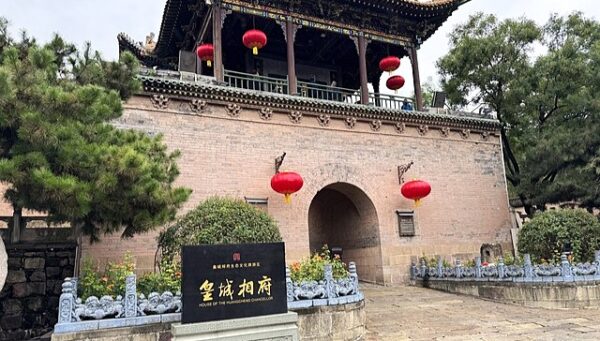
Travel to Jincheng and visit Huangcheng Chancellor’s Mansion. It reflects the power and legacy of Chen Tingjing, where grand architecture and family history reveal the prominence of Qing officials and the enduring influence of scholarly tradition.
From detailed courtyards to elegant gardens, the residence blends political significance with refined living spaces, offering insight into the lifestyle, values, and cultural sophistication of elite families during imperial China.
The day concludes with an unexpected dining experience, where small moments of improvisation and humor add warmth to the journey, reminding us that travel is shaped by both grand history and everyday encounters.
Day 13 · Jincheng – Jade Emperor Temple

Jade Emperor Temple reveals the richness of Daoist architecture and art, where intricate structures and vivid sculptures reflect both technical mastery and deep spiritual symbolism rooted in ancient cosmology and religious tradition.
The Twenty-Eight Mansions sculptures transform astronomical concepts into expressive human forms, blending science, mythology, and artistic imagination, offering a unique perspective on how ancient Chinese culture interpreted the universe and cosmic order.
From cultural exploration to simple pleasures, the day balances learning with lighthearted moments, showing that travel includes both intellectual discovery and spontaneous enjoyment, creating a relaxed yet meaningful and memorable experience overall.
Day 14 · Changzhi – Tiefo Temple & Guanyin Hall
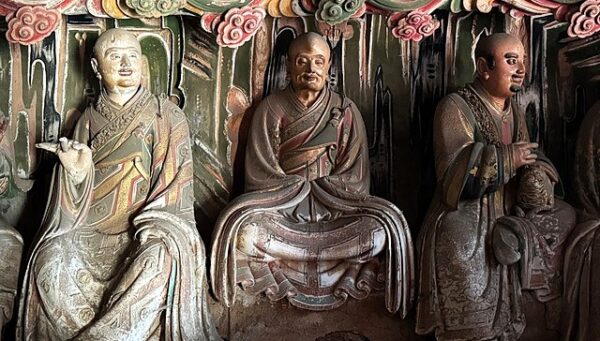
Tiefo Temple and surrounding sites highlight Shanxi’s rich artistic heritage, where expressive sculptures and traditional craftsmanship reveal both technical mastery and the enduring presence of religious and cultural traditions across centuries.
From ancient battles to legendary ancestors, the journey connects history, mythology, and memory, offering deeper insight into the cultural roots and narratives that continue to shape Chinese identity and historical understanding.
Guanyin Hall’s dense sculptures create a vivid artistic universe, where multiple belief systems coexist, blending Buddhism, Daoism, and Confucianism into a unified spiritual vision that leaves a strong and lasting impression.
Day 15 · Taihang Mountain Eight Springs Gorge
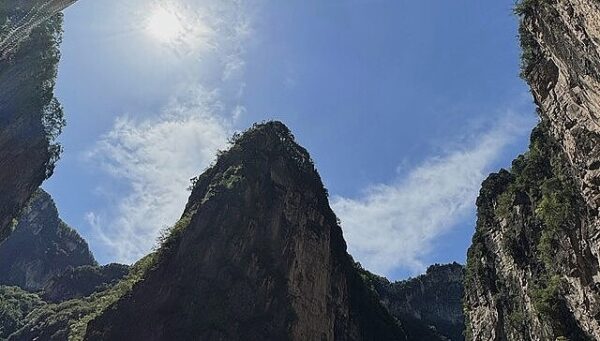
Baquan Gorge showcases the dramatic beauty of the Taihang Mountains, where towering cliffs, flowing springs, and ever-changing landscapes create an immersive natural experience shaped by powerful geological forces and shifting seasonal transformations.
The journey integrates nature with infrastructure, where boats, cable cars, and elevators improve accessibility, transforming transportation into an essential part of the experience while offering diverse and dynamic perspectives of the surrounding mountain scenery.
From misty beginnings to clear panoramic views, the day offers both tranquility and excitement, blending exploration with comfort and creativity, resulting in a balanced, engaging, and truly memorable outdoor travel experience overall.
Day 16 · Chongqing Temple
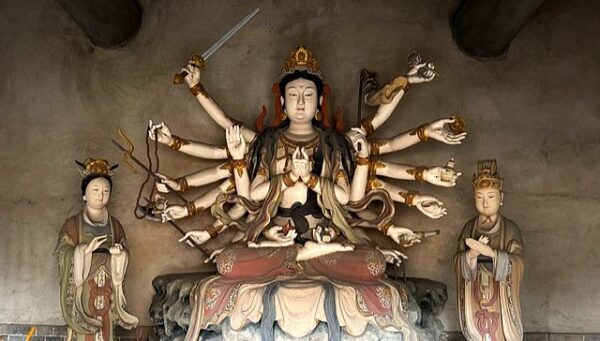
Chongqing Temple reveals the artistic excellence of Song Dynasty sculptures, where vivid expressions and refined craftsmanship highlight the spiritual depth and aesthetic achievements preserved through centuries of historical continuity.
From Houyi legends to Faxing Temple’s architectural treasures, the journey connects mythology, history, and religious art, offering a layered understanding of cultural traditions shaped by time, belief, and human imagination.
Rain altered the itinerary yet added a sense of rhythm and urgency, turning the day into a dynamic experience where exploration, adaptation, and quiet reflection combined to create a memorable and meaningful journey.
Day 17 · Wang Family Courtyard & Pingyao Ancient City
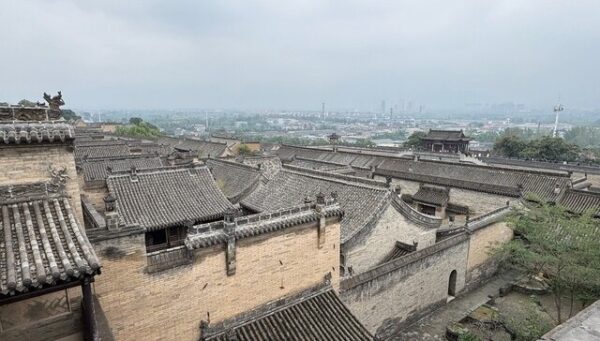
The Wang Family Courtyard reflects the rise of a merchant family, where architecture, discipline, and enduring values shaped generations of prosperity, showcasing both the impressive scale and cultural depth of traditional Chinese residential life.
Pingyao Ancient City presents a lively contrast, where historic streets blend with modern tourism, revealing how heritage spaces continuously adapt to contemporary life while preserving strong cultural identity and sustaining local economic vitality.
From grand estates to vibrant city life, the day balances history and modernity, offering insight into both past traditions and present realities, enriched by local experiences, personal observations, and engaging conversations with residents.
Day 18 · Exploring Pingyao Ancient City
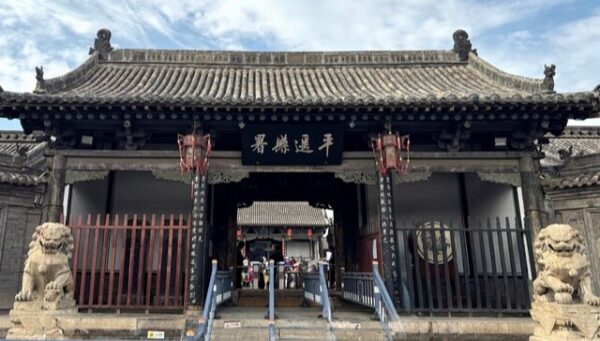
From hidden relics to Zoroastrian Temple , the day reveals unexpected cultural layers, where architecture, craftsmanship, and history intertwine, offering a deeper appreciation of lesser-known heritage sites beyond typical and often crowded tourist destinations.
Legends and beliefs shape the journey, from fire worship traditions to the story of Jie Zitui, connecting mythology, history, and cultural memory into a meaningful narrative that continues to resonate across time.
Returning to Pingyao, historical exploration blends with local life, where food, commerce, and daily interactions bring the ancient city to life, creating a vivid, immersive, and engaging travel experience for visitors.
Day 19 · Qiao Family Courtyard
Zhenguo Temple reveals the continuity of early Buddhist architecture and sculpture, where ancient craftsmanship and surviving artworks provide insight into historical techniques and religious expression across centuries of cultural preservation.
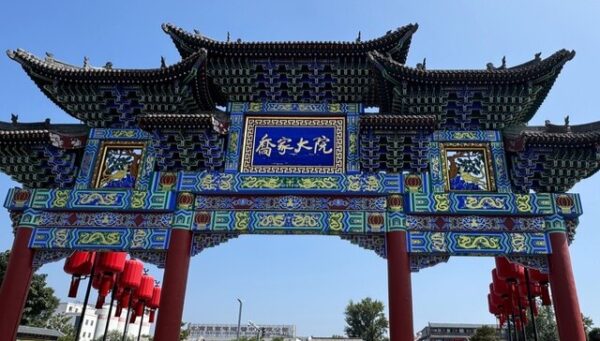
The Qiao Family Courtyard illustrates the rise of Jin merchants, where discipline, innovation, and resilience transformed a modest beginning into a powerful business network that shaped regional and even international commerce.
From temples to merchant estates, the journey connects art, history, and economic development, offering a deeper understanding of how cultural traditions and entrepreneurial spirit together influenced the evolution of Shanxi society.
Day 20 · Jin Temple & Shanxi Museum
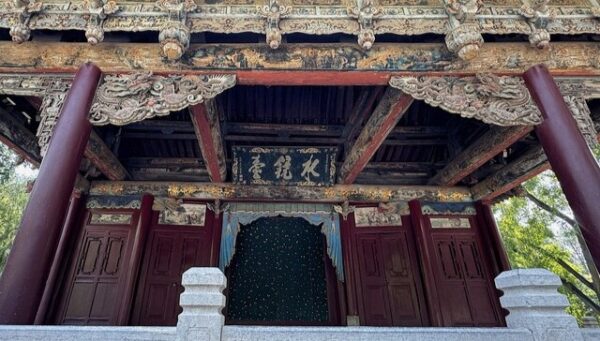
Jinci Temple connects legendary origins with physical heritage, where ancient structures, sacred spaces, and natural elements together preserve the memory of early Chinese state formation and cultural identity across centuries.
From architectural details to symbolic landscapes, the site reflects harmony between nature and human design, revealing how spiritual beliefs, artistic expression, and environmental awareness shaped traditional Chinese cultural spaces.
Shanxi Museum complements the experience by presenting historical narratives and artifacts, transforming abstract history into tangible understanding, and deepening appreciation for the region’s cultural evolution and historical significance.
Day 21 · Dou Dafu Shrine & Xinzhou Ancient City
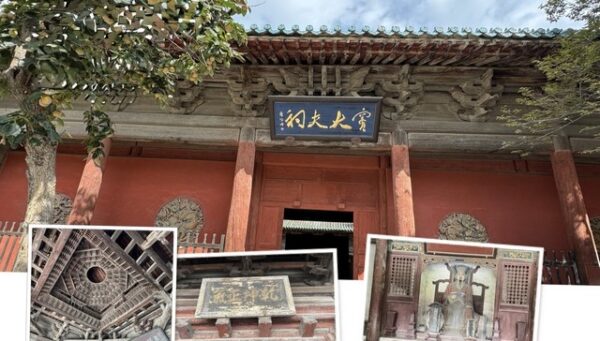
Dou Dafu Shrine reflects the legacy of ancient water management and local reverence, where history, environment, and community traditions come together to preserve the memory of a respected figure in regional culture.
Unexpected challenges, such as the tire issue, add realism to the journey, turning delays into opportunities for exploration and revealing the importance of flexibility, patience, and adaptability when facing changing situations during travel.
Xinzhou Ancient City offers a lively cultural atmosphere, where food, commerce, and daily life enrich the experience, creating a dynamic balance between historical exploration and meaningful interactions with local people and traditions.
Day 22 · Nanchan Temple & Foguang Temple
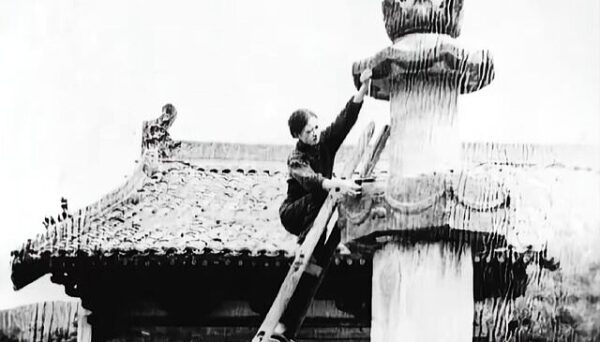
Remote temples reveal hidden cultural treasures, where humble appearances conceal rich artistic and historical value, offering a deeper appreciation of preservation and local dedication in maintaining these lesser-known heritage sites.
Discoveries at Nanchan Temple and Foguang Temple highlight the importance of scholarly research, reshaping understanding of architectural history and preserving invaluable evidence of Tang Dynasty craftsmanship and structural innovation.
From quiet exploration to witnessing strong religious devotion, the journey blends history, scholarship, and spirituality, creating a meaningful experience that connects past discoveries with present cultural practices and beliefs.
Day 23 · Taihuai Town Temple Cluster
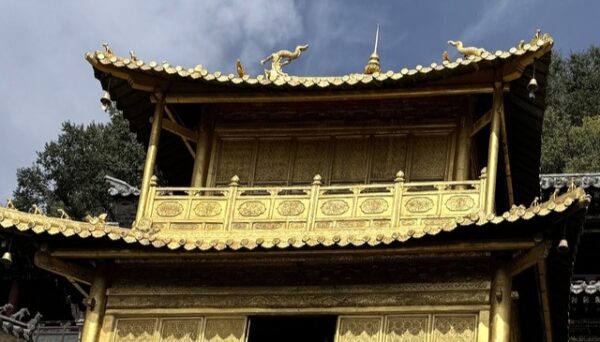
Mount Wutai’s temple cluster reveals a unique coexistence of Han and Tibetan Buddhism, where diverse architectural styles and religious traditions together reflect a deep sense of inclusiveness and rich spiritual heritage.
From Pusading Temple to Xiantong Temple, the journey highlights historical depth, showing how religion, politics, and cultural exchange gradually shaped Mount Wutai into a significant center of Buddhist learning and religious practice.
Balancing devotion and travel, the day blends solemn spiritual experiences with relaxed moments, offering a meaningful yet approachable exploration of one of China’s most important and culturally significant sacred landscapes.
Day 24 · Final Chapter
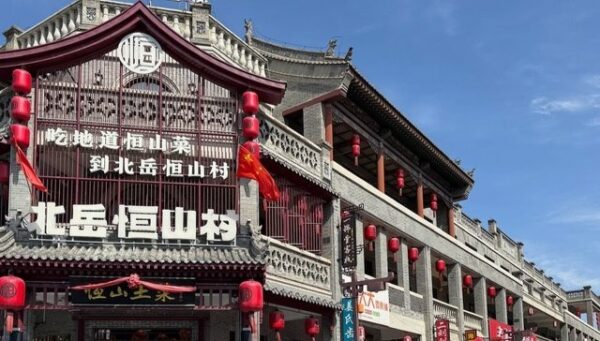
The final day began with a brief stop in Hunyuan Ancient City, where history provided a fitting close to the Shanxi journey. The Confucian Temple and county yamen reflected both imperial culture and local governance, set within grand northern architecture.
Over 24 days, Shanxi transformed from historical references into a vivid experience. Ancient temples, merchant courtyards, and imposing city walls revealed its cultural depth. Initial concerns about food turned into pleasant surprises, with diverse dishes and memorable fruits.
As the return flight departed, this journey through history and daily life came to a satisfying close.
 Planning a similar trip? Download your free itinerary below.